

Published on: 2026-10-27 | Written by: Dr. Nada Selim Heneidy, Specialist in Gastroenterology
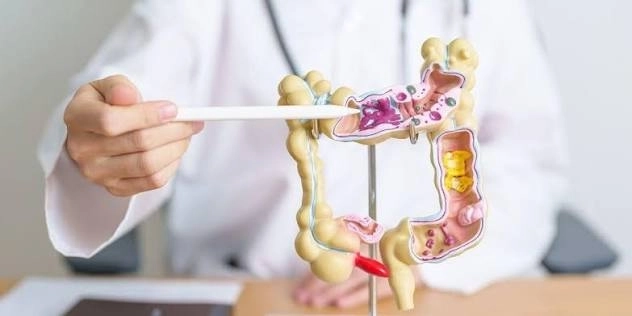
Irritable Bowel Syndrome (IBS) is one of the most common digestive disorders in modern times. It directly impacts a patient's quality of life through a range of distressing symptoms, including abdominal pain, severe cramping, bloating, and alternating bouts of constipation and diarrhea. Although IBS does not cause direct organic damage to the gastrointestinal tissues, it requires a precise understanding and comprehensive medical management that combines pharmacological therapy, tailored nutritional modifications, and stress control to achieve complete stability and sustained relief.
IBS treatment plans aim to control uncomfortable symptoms, reduce intestinal spasms, and improve overall digestive efficiency to restore normal bowel function.
Dr. Nada Selim Heneidy clarifies that Irritable Bowel Syndrome is closely linked to the complex interaction between the central nervous system and the gut (the brain-gut axis), noting that a successful therapeutic plan begins with identifying each patient's individual triggers.
Relieving Abdominal Pain and Cramping: Relaxing the smooth muscles lining the intestinal wall to minimize acute pain.
Regulating Bowel Motility: Managing chronic constipation or recurrent diarrhea to restore natural digestive rhythms.
Reducing Gas and Bloating: Eliminating excessive fermentation and uncomfortable gas accumulation within the abdominal cavity.
Improving Psychological and Neurological Status: Lowering stress and anxiety levels, which serve as major triggers for IBS flare-ups.
Gastroenterology has seen significant advancements thanks to modern medications targeting nerve receptors in the gut alongside sophisticated clinical nutrition protocols.
Dr. Nada Selim Heneidy points out that relying on smart fiber supplements, modern antispasmodics, and low-dose neuromodulators to adjust intestinal nerve signals has represented a qualitative leap in managing resistant cases.
Intestinal Smooth Muscle Relaxants: Providing rapid control over acute spasms and sharp pain.
Gastrointestinal Motility Regulators: Precisely balancing bowel rhythms between constipation and diarrhea.
Probiotic Supplements: Restoring beneficial gut microbiota balance and enhancing digestion.
Low-FODMAP Diet Protocols: Minimizing fermentable carbohydrates known to cause bloating and gas.
IBS patient management follows a strict, structured medical protocol that begins with excluding underlying organic diseases and concludes with a long-term preventive strategy.
Dr. Nada Selim Heneidy advises conducting comprehensive diagnostic evaluations—such as stool analysis, food intolerance testing, and complete blood counts—to ensure the absence of organic inflammation prior to confirming an IBS diagnosis, emphasizing that an accurate diagnosis is the cornerstone of successful therapy.
Comprehensive Differential Diagnosis: Ruling out organic pathologies presenting with similar symptoms to ensure targeted therapy.
Identifying Dietary and Psychological Triggers: Tracking specific foods and stressful situations that provoke flare-ups.
Initiating Initial Pharmacotherapy: Controlling acute symptoms and stopping distressing cramps and bloating.
Implementing a Tailored Nutritional Plan: Guiding the patient toward gut-soothing foods.
Periodic Follow-Ups and Response Assessment: Adjusting dosages and dietary plans based on clinical improvement.
Behavioral modifications and daily lifestyle habits represent the primary line of defense against recurring, painful IBS flare-ups.
Dr. Nada Selim Heneidy emphasizes that dividing daily meals into smaller, frequent portions, chewing food very slowly, and avoiding greasy and spicy foods serve as indispensable golden rules for every patient.
Structuring Meal Intervals: Eating smaller, frequent meals instead of two heavy ones to reduce gastrointestinal workload.
Avoiding Trigger Foods: Refraining from heavy legumes, spicy dishes, excessive caffeine, and carbonated beverages.
Engaging in Light Physical Exercise: Walking daily to stimulate natural bowel motility and ease stress.
Managing Neurological Stress: Practicing deep breathing and relaxation techniques to calm the enteric nervous system.
Maintaining Adequate Hydration: Drinking sufficient water to facilitate digestion and prevent worsening constipation.
Listen to Body Cues: Do not ignore early symptoms, and avoid foods known to trigger intestinal distress.
Adhere to the Nutritional Program: Maintain healthy eating habits even during symptom-free periods to prevent relapses.
Avoid Stomach-Irritating Painkillers: Refrain from the overuse of conventional NSAIDs, which can aggravate GI lining inflammation.
Maintain Ongoing Follow-Ups with Your Specialist:
Dr. Nada Selim Heneidy emphasizes in her concluding guidance that despite being a chronic condition, Irritable Bowel Syndrome can be completely controlled and successfully managed to a high degree. She confirms that health awareness, psychological support, and strict compliance with medical and dietary guidelines are the permanent keys to a peaceful, stable life free of pain.