

Published on: 2026-10-27 | Written by: Alexandria Eye Hospital
Glaucoma, commonly known as the silent thief of sight, is an eye disease that requires early diagnosis and regular medical follow-up because it can damage the optic nerve and cause loss of part of the visual field if not treated appropriately. Treatment options vary depending on the type of glaucoma and its stage and may include eye drops, laser treatment, or surgery. Alexandria Eye Hospital in Smouha provides ophthalmology and eye surgery services, including the evaluation and follow-up of glaucoma cases and the identification of appropriate treatment options.
What Is Glaucoma?
Glaucoma is a group of eye diseases that affect the optic nerve, which carries visual information from the eye to the brain. Glaucoma is often associated with increased intraocular pressure, although it can also occur in some people whose eye pressure is within the normal range.
The disease may progress gradually without noticeable symptoms in its early stages, making regular eye examinations important, particularly for people at higher risk. Damage to the optic nerve can lead to gradual loss of the visual field and, in advanced cases, may result in blindness if the condition is not adequately controlled.
What Causes Glaucoma?
Glaucoma develops when the nerve fibers in the optic nerve become damaged. This may be associated with elevated intraocular pressure or other factors that affect the optic nerve's ability to tolerate pressure.
Factors that may increase the risk of glaucoma include:
Elevated intraocular pressure.
A family history of glaucoma.
Older age.
Certain genetic factors.
Previous eye injuries.
Eye conditions that affect the drainage of fluid inside the eye.
Prolonged or uncontrolled use of certain corticosteroid medications, particularly without medical supervision.
Certain medical conditions that may increase the risk of developing glaucoma.
Having one or more of these risk factors does not necessarily mean that a person will develop glaucoma. However, people with risk factors may benefit from regular eye examinations.
What Are the Symptoms of Glaucoma?
Symptoms vary depending on the type of glaucoma and how advanced the disease is. In the most common type, symptoms may not be noticeable at first because vision loss can begin gradually in the peripheral visual field.
Symptoms that may appear as the disease progresses include:
Reduced peripheral or side vision.
Difficulty noticing objects at the edges of the visual field.
The appearance of blurred or missing areas in the visual field.
Gradual deterioration of vision in advanced cases.
Acute glaucoma caused by a sudden increase in eye pressure may produce severe symptoms, including intense eye pain, eye redness, blurred vision, halos around lights, headache, nausea, or vomiting.
These acute symptoms constitute a medical emergency and require immediate assessment at an emergency department or by an ophthalmologist, as delaying treatment may result in permanent vision damage.
How Is Glaucoma Diagnosed?
Glaucoma is diagnosed through a comprehensive eye examination. Measuring eye pressure alone is not sufficient to confirm or rule out the disease. The ophthalmologist determines which tests are needed based on the patient's age, symptoms, and risk factors.
Diagnostic tests may include:
Intraocular Pressure Measurement: Measures the pressure inside the eye.
Optic Nerve Examination: Detects changes or damage associated with glaucoma.
Visual Field Testing: Evaluates peripheral vision and identifies areas of vision loss.
Optic Nerve and Retinal Nerve Fiber Imaging: Helps detect and monitor structural changes.
Gonioscopy: Examines the drainage angle of the eye to determine whether it is open or narrow.
Corneal Thickness Measurement: Helps interpret eye pressure readings and assess risk factors.
These examinations help determine the type of glaucoma, the extent of damage, and the most appropriate treatment and follow-up plan.
Treatment Options for Glaucoma
The main goal of glaucoma treatment is to lower intraocular pressure to an appropriate level, protect the optic nerve, and reduce the risk of further damage. Treatment depends on the type and severity of glaucoma, the patient's response to previous treatment, and their general health.
First: Glaucoma Treatment with Eye Drops
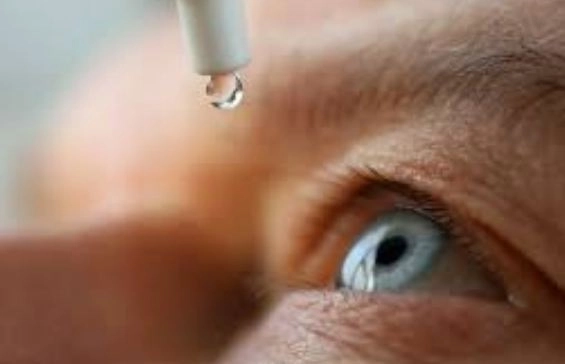
Eye drops are commonly used to treat many cases of glaucoma. They work by reducing the production of fluid inside the eye or improving its drainage.
The ophthalmologist determines the type of eye drops and how often they should be used according to the patient's condition. Patients should follow the prescribed dosage and should not stop or change treatment without consulting their doctor, even if they do not experience noticeable symptoms.
Some patients may need to use eye drops for an extended period and undergo regular examinations to ensure that their eye pressure remains controlled.
Second: Laser Treatment for Glaucoma
Laser treatment is used in certain types of glaucoma to improve fluid drainage or reduce intraocular pressure. In specific cases, it may also help prevent or treat acute episodes of increased eye pressure.
Laser procedures vary according to the type of glaucoma and may include:
Selective Laser Trabeculoplasty (SLT): Used in some cases of open-angle glaucoma to improve fluid drainage from the eye.
Laser Peripheral Iridotomy: May be used when the drainage angle is narrow or at risk of closing, helping improve fluid circulation.
Other Laser Procedures: The ophthalmologist may select a different procedure depending on the type of glaucoma and the eye's response to previous treatments.
Laser treatment is not suitable for every patient. A specialized examination is therefore necessary to determine whether it is appropriate.
Third: Glaucoma Surgery
Some patients may require surgery when eye drops or laser procedures do not adequately control intraocular pressure, or when advanced disease requires a more effective reduction in pressure.
Surgical options include procedures that create a new drainage pathway for fluid inside the eye, the use of specialized drainage devices, or other interventions depending on the type of glaucoma.
The ophthalmologist selects the appropriate procedure based on the condition of the optic nerve, intraocular pressure, disease progression, and the patient's treatment history.
It is important to understand that glaucoma surgery primarily aims to lower eye pressure and reduce further optic nerve damage. It generally cannot restore vision that has already been lost because of previous nerve damage.
Can Glaucoma Be Cured Completely?
Glaucoma is a condition that usually requires long-term monitoring. Appropriate treatment can help control intraocular pressure and reduce the risk of worsening vision, but it generally cannot restore optic nerve fibers that have already been damaged.
For this reason, early detection, adherence to the treatment plan, and regular follow-up are essential for preserving existing vision.
Even when the condition is stable and eye pressure improves, patients should not stop treatment or skip follow-up appointments without medical advice.
The Importance of Regular Follow-Up for Glaucoma Patients
Monitoring glaucoma involves more than measuring intraocular pressure. It also includes evaluating the optic nerve and visual field and reviewing the patient's response to treatment.
Regular follow-up helps to:
Confirm that eye pressure is adequately controlled.
Detect new changes in the optic nerve.
Monitor disease progression over time.
Adjust treatment when necessary.
Ensure that eye drops are being used correctly.
Reduce the risk of further vision loss as much as possible.
Follow-up intervals vary depending on the type and severity of glaucoma and how stable the eye pressure is. The ophthalmologist determines the appropriate schedule for each patient.
Who Is at Higher Risk of Developing Glaucoma?
Regular eye examinations are particularly important for certain groups, including:
People with a family history of glaucoma.
Older adults.
People with elevated intraocular pressure.
Individuals with a history of eye injuries.
People who use corticosteroids for extended periods, especially without medical supervision.
Patients with other risk factors identified by an ophthalmologist based on their medical history.
Being in one of these groups does not mean that a person necessarily has glaucoma. However, an eye examination can help assess risk and detect changes early.
Tips for Maintaining Eye Health When Living with Glaucoma
Patients can follow several recommendations to support treatment adherence and maintain eye health:
Use prescribed eye drops at the scheduled times.
Do not stop medications or change dosages without consulting the ophthalmologist.
Attend scheduled examinations for eye pressure, optic nerve health, and visual field assessment.
Inform the doctor about all medications being used, including corticosteroids.
Keep a record of examinations and follow-up results when possible.
Consult an ophthalmologist if new symptoms develop or vision changes noticeably.
Seek emergency medical care if sudden severe eye pain occurs with redness, blurred vision, or nausea.
Glaucoma Treatment at Alexandria Eye Hospital
Alexandria Eye Hospital in Smouha provides ophthalmology and eye surgery services, including the evaluation and follow-up of glaucoma and other eye conditions.
The appropriate treatment for glaucoma depends on examination findings, intraocular pressure, optic nerve health, the type of disease, and its stage. Depending on the patient's condition, the treatment plan may include eye drops, laser treatment, or surgery, as determined by the ophthalmologist following an assessment.
Conclusion
Glaucoma treatment and early diagnosis are essential for protecting the optic nerve and reducing the risk of vision loss. Treatment depends on the type and stage of the disease and may include eye drops, laser procedures, or surgery, along with regular medical follow-up.
Alexandria Eye Hospital in Smouha provides ophthalmology and eye surgery services, including the evaluation and follow-up of glaucoma cases, with appropriate procedures determined according to each patient's condition and examination results.