
Published on: 2026-10-26 | Written by: Dr. Wafaa Fahmy, Professor of Clinical Nutrition
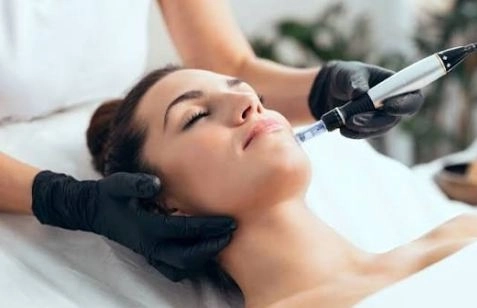
Mesotherapy sessions are among the cosmetic procedures used to help improve the appearance of certain body areas, reduce localized fat, and address skin laxity, depending on the substances used and the individual’s condition. Results vary from person to person, so a medical assessment is necessary to determine whether the procedure is appropriate and what outcomes can realistically be expected.
Dr. Wafaa Ahmed Fahmy, Professor of Clinical Nutrition and Eating Disorders at the National Nutrition Institute, offers services that include mesotherapy sessions for fat reduction and skin tightening, alongside clinical nutrition, weight-loss programs, and weight management services.
What Are Mesotherapy Sessions?
Mesotherapy is a term used to describe a technique involving the injection of various substances into the layers of the skin or superficial tissues, depending on the purpose of treatment and the formulation used. Certain types of mesotherapy may be used for cosmetic purposes, such as improving the appearance of the skin or targeting localized fat.
The injectable formulations used in mesotherapy vary from one product to another, and the scientific evidence supporting their effectiveness and safety also differs. Therefore, it is important to know which substances will be injected, confirm that they are appropriate for the intended purpose, and avoid assuming that all types of mesotherapy are the same or produce identical results.
What Are the Uses of Mesotherapy Sessions?
The uses of mesotherapy vary according to the substances used and the targeted area. Some of the uses discussed in the cosmetic field include:
Localized fat: Certain injectable procedures are designed to reduce fat in specific areas of the body.
Improving the appearance of loose skin: Some cosmetic techniques aim to improve skin appearance, although the degree of improvement depends on the nature of the problem and the procedure used.
Improving skin appearance: Various formulations are marketed for cosmetic purposes, but they do not all have the same effectiveness or level of scientific evidence.
Improving body contour: A doctor may discuss suitable procedures based on fat distribution, skin elasticity, and the desired outcome.
It is essential to distinguish between procedures that target fat cells and those intended to improve skin quality. Fat reduction does not necessarily mean skin tightening, and mesotherapy is not a guaranteed substitute for weight loss.
How Do Mesotherapy Sessions Work to Reduce Fat?
The mechanism of action of mesotherapy depends on the type, concentration, and method of administration of the injected substance. Some substances are intended to affect fat cells, while other formulations aim to improve the appearance of the skin.
There is no single mechanism that applies to all mesotherapy sessions. In addition, the effectiveness of many formulations used for localized fat reduction has not been established by strong scientific evidence. Results can vary considerably from one person to another.
Before beginning treatment, it is important to identify the active ingredient, determine whether it is approved for the intended use, understand its potential side effects, and discuss available alternatives.
Which Areas Can Be Targeted by Cosmetic Fat-Reduction Procedures?
The areas that can be treated depend on the technique used. Areas commonly discussed when evaluating localized fat include:
The abdomen and waist.
The thighs.
The arms.
Certain small areas where subcutaneous fat accumulates.
However, this does not mean that mesotherapy injections are suitable or effective for all these areas. The appropriate procedure should be determined after assessing the target area, fat thickness, skin elasticity, and overall health.
Can Mesotherapy Sessions Help Tighten Loose Skin?
Skin laxity depends on several factors, including age, weight loss, pregnancy-related changes, skin elasticity, and the amount of fat beneath the skin.
Some cosmetic procedures may be used to improve skin appearance, but strong evidence does not establish that all types of mesotherapy produce significant skin tightening. In cases of severe skin laxity, injections alone may not achieve the desired results.
It is therefore important to determine whether the main concern is localized fat, loose skin, or a combination of both, as each problem may require a different treatment approach.
What Is the Difference Between Mesotherapy and Weight Loss Through Clinical Nutrition?
There is an important difference between reducing localized fat and losing weight throughout the body.
Mesotherapy: A cosmetic procedure that involves injecting specific substances. Its effectiveness and risks depend on the substance used. It is not considered an established general treatment for obesity.
Clinical nutrition: This approach focuses on managing food intake, calories, and nutrients according to an individual's needs and health condition. It can help people achieve a suitable weight and maintain it when they follow an appropriate treatment plan.
Dr. Wafaa Ahmed Fahmy’s clinic offers clinical nutrition services, weight-management programs, and mesotherapy sessions for fat reduction and skin tightening. The need for each procedure should be assessed separately, and mesotherapy should not be considered a replacement for obesity treatment or lifestyle changes.
How Many Mesotherapy Sessions Are Needed?
There is no fixed number of mesotherapy sessions that is suitable for everyone. The number depends on the type of procedure, the substance used, the targeted area, and the individual's response to treatment.
Some procedures may involve multiple sessions, while other formulations may not be suitable for use because of limited evidence of effectiveness or potential risks.
A treatment schedule should not be established before identifying the substance being used. The doctor’s instructions regarding session intervals and monitoring for side effects should be followed.
When Do Mesotherapy Results Appear?
Results vary depending on the type of injection, the nature of the fat, skin elasticity, and individual factors. It is not possible to guarantee results within a specific period, and outcomes are not the same for every type of mesotherapy.
Some procedures may require time before changes become noticeable, while others may not produce significant improvement. It is important to maintain realistic expectations and avoid relying on promotional photographs or promises of rapid, substantial weight loss.
What Are the Possible Side Effects of Mesotherapy Sessions?
Like other injection-based procedures, mesotherapy may be associated with complications that vary according to the substance used, the injection technique, and the experience of the healthcare professional.
Potential side effects and risks include:
Pain or a burning sensation at the injection site.
Redness, swelling, and bruising.
Inflammation or infection.
Lumps or changes in skin texture.
Allergic reactions to the injected substances.
Tissue damage in certain cases.
Changes in skin pigmentation or scarring.
Extra caution is necessary when unknown formulations or substances that are not approved for the intended purpose are used. If severe pain, increasing redness, warmth at the injection site, or fever develops, prompt medical evaluation is necessary.
Who May Not Be Suitable for Mesotherapy Sessions?
There is no single list of contraindications that applies to all types of injections, because safety considerations vary depending on the substance used. However, a medical assessment is essential before treatment, particularly in the following situations:
Pregnancy or breastfeeding.
Infection or inflammation in the targeted area.
A known allergy to any of the ingredients.
Chronic medical conditions or medications that may increase the risk of bleeding or complications.
Health problems that may affect tissue healing.
Treatment should not be performed until the safety of the substance and its suitability for the individual have been established. Patients should inform the doctor about their medical history, medications, and supplements.
Important Tips Before Mesotherapy Sessions
To improve the chances of receiving safe care, consider the following points before starting treatment:
Undergo a medical assessment to identify the problem and define the treatment goal.
Ask about the active ingredient, its concentration, and its source.
Ask about the scientific evidence supporting the procedure’s effectiveness and safety.
Ensure that injections are performed in an appropriate medical setting using sterile equipment.
Inform the doctor about chronic conditions, allergies, and current medications.
Discuss alternative treatments, including clinical nutrition and other cosmetic procedures when appropriate.
Do not rely on mesotherapy alone to treat obesity or achieve general weight loss.
The Importance of Clinical Nutrition in Fat Reduction and Weight Management
Clinical nutrition plays an important role in weight management and improving overall health. Sustainable fat loss depends on following an appropriate nutritional plan, engaging in regular physical activity, getting adequate sleep, and addressing health factors that may affect weight.
Nutritional follow-up helps assess progress and adjust the plan according to individual needs. It can also support long-term weight maintenance. People with obesity may require medical evaluation to determine whether approved weight-loss medications or other treatment options are appropriate, depending on their body mass index and overall health.
Dr. Wafaa Ahmed Fahmy provides clinical nutrition, weight-management, and underweight treatment services, alongside mesotherapy sessions. These services allow patients to discuss appropriate options based on their goals and medical needs.
Dr. Wafaa Ahmed Fahmy and Mesotherapy Sessions in New Maadi
Dr. Wafaa Ahmed Fahmy is a Professor of Clinical Nutrition and Eating Disorders at the National Nutrition Institute. She holds a PhD in Community Medicine and Nutrition from Cairo University’s Faculty of Medicine and is an internationally certified health coach.
Her clinic offers mesotherapy sessions for fat reduction and skin tightening, in addition to weight-loss programs, underweight treatment, nutritional care for children and older adults, and continuous nutritional follow-up.