
Published on: 2026-10-22 | Written by: Dr. Hossam El-Kafrawy, Professor of Plastic
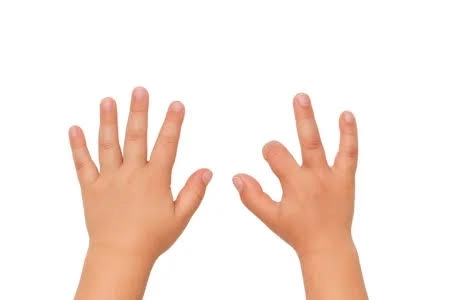
Congenital anomalies correction in limbs and hands is one of the most refined and intricate surgical specialties within pediatric care and microscopic hand surgery. It addresses congenital malformations and limb growth disorders present from birth, such as syndactyly (fused fingers), polydactyly (extra fingers), or underdeveloped forearm and hand bones. These advanced surgical interventions represent a vital opportunity to correct a child's functional and aesthetic development before school age, enabling them to integrate naturally into society and perform daily activities with confidence and efficiency.
These advanced surgical operations aim to reshape the osseous framework and soft tissues of the limbs to achieve functional balance and natural aesthetic harmony.
Dr. Hossam El-Kafrawy clarifies that the surgical management of congenital anomalies in children requires exceptional precision and a deep understanding of pediatric bone and nerve growth stages, noting that the ultimate goal of surgery is to enable the child to use their hand or limbs naturally as they grow.
Separating Fused Digits (Syndactyly): Reconstructing tissue and skin with precision to allow each finger to move independently and without restriction.
Excision or Modification of Extra Digits (Polydactyly): Functionally restructuring the hand to achieve proper muscular and neural alignment.
Correcting Bone Angulations and Defects: Adjusting bone and tendon alignment to ensure limb straightness and weight-bearing capacity.
Psychological and Social Support: Sparing the child emotional stress and social stigma by providing a natural appearance and full motor function.
Surgeries for correcting congenital deformities have witnessed a monumental revolution due to reliance on microsurgery and innovative micro-tissue transfer techniques.
Dr. Hossam El-Kafrawy points out that utilizing advanced microscopic magnification and minimally invasive techniques has brought about a qualitative leap in the success rate of separating interconnected delicate nerves and blood vessels in complex digit anomalies.
Advanced Microsurgery: Separating intertwined micro-vessels and nerves in complex fusion cases.
Micro-Skin Grafting and Flaps: Utilizing delicate skin flaps from the child's own body to cover tissue defects smoothly without visible scarring.
Pediatric-Friendly Plates and Fixators: Modern hardware that accommodates the growth rates of a child's developing skeletal system.
3D Printing for Surgical Planning: Creating accurate 3D models of the deformity prior to surgery to ensure absolute execution precision.
Surgical correction follows a structured, precise medical protocol that begins with early diagnosis and is executed at the optimal developmental age for the child.
Dr. Hossam El-Kafrawy advises conducting comprehensive genetic and radiological evaluations early in life (frequently before the child reaches one or two years of age, depending on the anomaly type), emphasizing that proper surgical timing constitutes half the path to success.
Comprehensive Diagnosis and Evaluation: Performing CT scans, MRIs, and nerve assessments to evaluate the complexity of the malformation.
Preparation and Safe General Anesthesia: Administering specialized, safe general anesthesia tailored to the child's age and weight.
Precise Tissue Excision or Separation: Executing delicate surgical steps under microscopic magnification to cleanly separate fused bones or tissues.
Reconstruction and Cosmetic Skin Closure: Closing surgical incisions using cosmetic techniques to minimize future scarring.
Temporary Immobilization via Splints: Applying custom protective splints to protect the hand or operated limb during the initial healing phase.
Home care and customized pediatric physical therapy programs are essential pillars for ensuring surgical success and tissue flexibility.
Dr. Hossam El-Kafrawy stresses that family commitment to the surgeon's instructions, protecting the child's hand from sudden impacts, and adhering to early mobilization sessions are decisive factors for guaranteeing normal limb growth.
Wound Protection and Cleanliness: Keeping surgical wounds dry and clean while changing medical dressings strictly as directed by the surgeon.
Adherence to Protective Splinting: Preventing the child from bending or applying force to the treated area for the specified duration.
Customized Physical Therapy Sessions: Gently moving fingers and joints under pediatric rehabilitation supervision to prevent stiffness.
Monitoring Limb Perfusion: Ensuring normal, continuous blood flow and finger color without excessive swelling.
Vitamin- and Calcium-Rich Nutrition: Supporting bone and tissue development with a balanced, nutrient-dense diet.
Early Diagnosis and Intervention: Do not delay consulting specialists to evaluate congenital anomalies at the most suitable age for the child.
Select an Experienced Pediatric and Limb Specialist: Ensuring maximum safety and care when handling delicate pediatric tissues.
Patience and Follow-Up Throughout Growth Stages: Recognizing that certain complex cases may require phased therapeutic steps as the child grows.
Maintain Ongoing Follow-Ups with Your Specialist:
Dr. Hossam El-Kafrawy emphasizes in his concluding guidance that surgeries correcting congenital anomalies represent a noble medical and human mission that grants children a new lease on life filled with confidence and independence. He confirms that the combination of accurate diagnosis, expert microscopic skill, and attentive family care is the true guarantee for every child's healthy, bright future.