

Published on: 2026-10-22 | Written by: Dr Rasha Shafei- Consultant of Internal
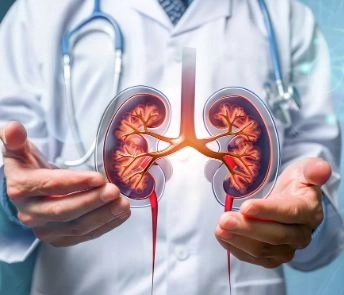
The kidneys are among the most vital organs in the human body; they are responsible for filtering toxins from the blood, regulating blood pressure, maintaining fluid and electrolyte balance, and stimulating red blood cell production. Therefore, any impairment in their function directly impacts the body's overall health.
In this comprehensive article, we highlight the differences between acute and chronic kidney diseases, their causes, and approaches to managing them, while reviewing the role of distinguished medical expertise such as Dr. Rasha Shafie, Consultant in General Internal Medicine and Nephrology, Member of the International, American, and Egyptian Societies of Nephrology, and a graduate of the Faculty of Medicine, Alexandria University.
First: What Are Acute and Chronic Kidney Diseases?
Kidney disorders are divided into two main categories that require extreme precision in diagnosis and medical intervention:
Acute Kidney Injury (AKI):
Definition: A sudden and rapid decline in kidney function occurring within hours or a few days.
Causes: Severe drop in blood pressure, extreme dehydration, improper use of certain pain relievers (NSAIDs), or severe infections and urinary tract obstructions.
Nature: It is often an emergency condition that is reversible and fully curable if diagnosed and treated promptly and accurately.
Chronic Kidney Disease (CKD):
Definition: A gradual and slow loss of kidney function over an extended period (exceeding 3 months).
Main Causes: Long-standing diabetes or uncontrolled high blood pressure, chronic glomerulonephritis, and genetic disorders.
Nature: Requires regular and continuous follow-up to slow the progression of the disease and protect the kidneys from reaching advanced stages.
Second: Prominent Symptoms of Kidney Problems
In the early stages, clear symptoms of kidney disease may not appear, making regular screening extremely crucial. As the condition progresses, signs emerge including:
Swelling and puffiness in the legs, ankles, or around the eyes (due to fluid retention).
Changes in urine color or frequency (such as frequent nighttime urination or foamy urine).
Persistent fatigue and general tiredness resulting from anemia.
High blood pressure that is resistant to treatment.
Loss of appetite, nausea, or persistent skin itching due to toxin buildup.
Third: Advanced Medical Care and Precise Diagnosis
Treating kidney diseases requires extensive clinical experience and precise knowledge of the latest global medical protocols. In this context, Dr. Rasha Shafie (Consultant in General Internal Medicine and Nephrology at Andalusiah Antinades Clinics in Smouha, and Member of the International and American Societies of Nephrology) provides comprehensive care that includes:
Early and accurate diagnosis of chronic and acute kidney diseases.
Monitoring and treatment of hypertension caused by kidney diseases.
Medical management of recurrent urinary tract infections and their complications.
Managing electrolyte and fluid imbalances in the body.
Regular follow-up for diabetic patients to protect the kidneys from its severe complications.
Fourth: Important Tips for Maintaining Kidney Health
Control Blood Sugar and Blood Pressure: These are the primary causes of most chronic kidney problems.
Drink Water Regularly: To keep the body hydrated and facilitate the kidneys' work in flushing out toxins.
Avoid Random Pain Relievers: Excessive use of painkillers without medical supervision severely damages kidney tissues.
Undergo Regular Lab Tests: Such as kidney function tests (e.g., creatinine and urea) and urine analysis, especially for diabetic and hypertensive patients.
Booking and Follow-Up
To obtain a precise consultation and specialized care for internal medicine and kidney conditions, you can visit the clinic of Dr. Rasha Shafie: