Published on: 2026-10-22 | Written by: Dr. Nabil Amin Nasef, Lecturer of Neurosurgery
Back pain and spinal conditions are among the most widespread medical complaints today, directly affecting a person’s quality of life and ability to move and work. With remarkable scientific advancements in neurosurgery and spinal care, complex spine surgeries and herniated disc treatments are now performed with exceptionally high safety levels and success rates, giving patients renewed hope for a pain-free life.
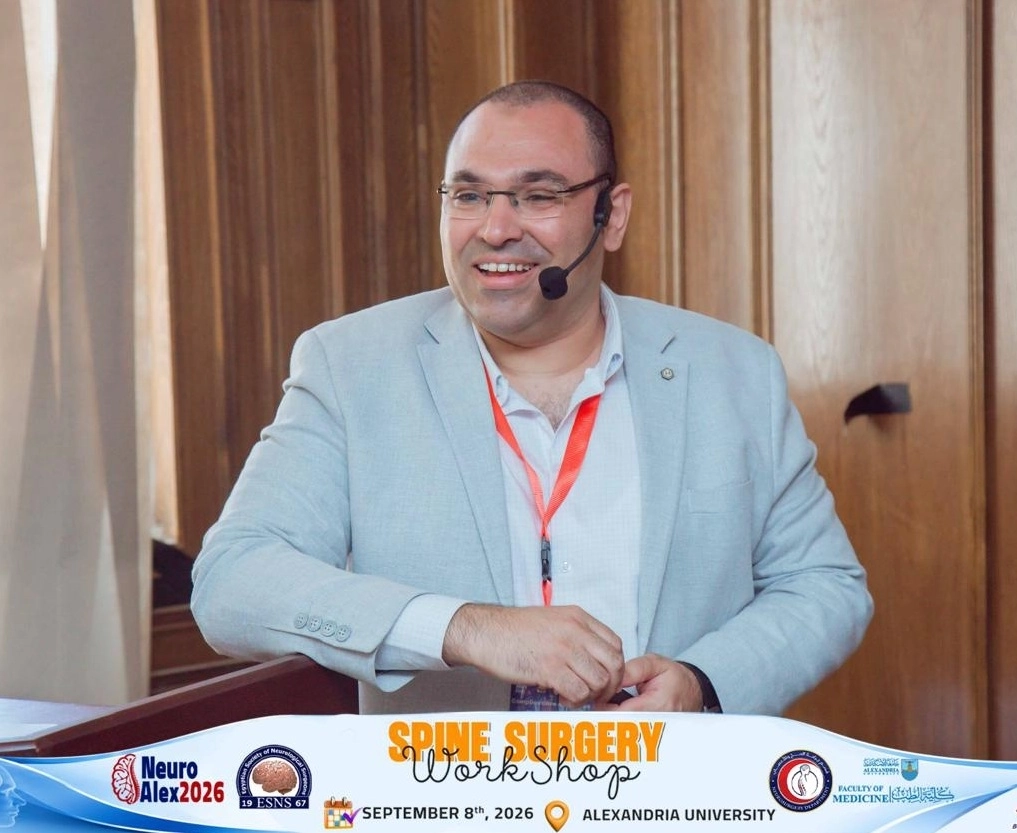
In this comprehensive article, we review the causes and symptoms of herniated discs, how to approach advanced spinal surgeries, and highlight the leading role of prominent academic and medical figures such as Associate Professor Dr. Nabil Amin Nasef, Associate Professor of Neurosurgery and Spine Surgery at the Faculty of Medicine, and Member of the Swiss Spine Society (AO Spine).
First: What is a Herniated Disc and How Does It Occur?
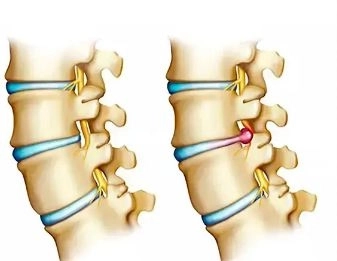
The spinal column consists of a series of bony vertebrae separated by flexible cushions known as "discs." These discs act as shock absorbers, providing the flexibility required for back movement.
When a herniated disc occurs, the inner gel-like core protrudes through a tear in the outer disc ring, placing pressure on nearby nerves or the spinal cord.
Common Symptoms of a Herniated Disc:
Severe Back or Neck Pain: Worsens with movement or prolonged sitting.
Sciatica (Sciatic Nerve Pain): Radiating pain extending from the lower back through the thigh and leg down to the foot.
Numbness and Tingling: A pins-and-needles sensation in the upper or lower extremities.
Muscle Weakness: Difficulty lifting the foot or walking steadily due to persistent nerve root compression.
Second: Complex Spine Surgeries: When Are They Necessary?
Certain spinal conditions are classified as "complex cases" when they extend beyond a simple herniated disc and require precise, advanced surgical intervention. These cases include:
Multiple Herniated Discs: Damage occurring across multiple levels of the cervical or lumbar vertebrae.
Spinal Stenosis: Narrowing of the space within the spine, putting pressure on the spinal cord and nerves.
Spondylolisthesis: Slippage of one vertebra out of place onto the one below it, leading to spinal instability.
Spinal Deformities: Such as severe scoliosis or advanced kyphosis.
Revision Spine Surgery: Re-evaluating and correcting cases that underwent prior surgeries without achieving the desired results.
Third: Modern Techniques in Spine Surgery
Spinal surgery has experienced a true revolution thanks to microscopic and minimally invasive techniques, relying on:
Microscopic Surgery: Allows the surgeon to view nerves and discs in ultra-high magnification, minimizing surgical incisions and preserving surrounding healthy tissue.
Spinal Fusion and Stabilization: Replacing damaged discs with advanced implants and stabilizing vertebrae using medical screws and plates designed to international safety standards for optimal spine stability.
Nerve Decompression: Removing bone spurs and calcifications that compress the spinal cord and peripheral nerves.
Fourth: The Importance of Specialized Medical Expertise
Neurosurgery and spinal procedures demand extreme precision and deep knowledge of neuroanatomy. Success and recovery rates largely depend on the surgeon's skill, academic background, and practical experience.
This highlights the distinguished role of Associate Professor Dr. Nabil Amin Nasef:
Ph.D. in Neurosurgery from the Faculty of Medicine, Alexandria University.
Associate Professor of Neurosurgery and Spine Surgery at the Faculty of Medicine.
Member of the Swiss Spine Society (AO Spine), one of the premier global organizations establishing modern standards for spinal care.
Member of the Egyptian Society of Neurological Surgeons (ESNS).
Dr. Nabil Amin Nasef possesses extensive experience in managing the most complex herniated disc cases and advanced spinal surgeries, applying the latest international medical protocols practiced in top international centers.
Conclusion: Tips for Maintaining Spine Health
Maintain Proper Posture: When sitting in front of screens or lifting heavy objects.
Strengthen Core and Back Muscles: Perform targeted back exercises under professional supervision to support the spine.
Maintain a Healthy Weight: To reduce continuous stress on the lumbar vertebrae.
Do Not Ignore Symptoms: Consult a specialist promptly upon feeling persistent pain or numbness in the limbs to ensure early diagnosis before the condition progresses.