
Published on: 2026-10-20 | Written by: Dr. Michel Nader, Dentist and Oral Surgeon
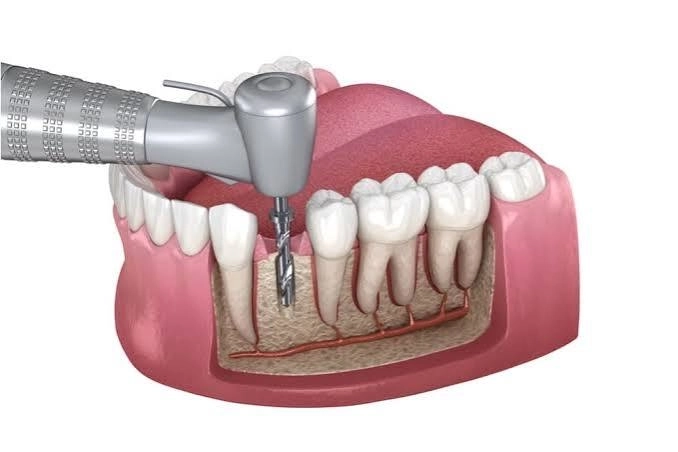
Root canal treatment is one of the most vital conservative procedures in modern dentistry. Its primary aim is to rescue severely damaged teeth resulting from deep decay, sudden fractures, or inflammation of the internal soft tissues (the pulp). Contrary to the old misconception that root canal therapy is a painful process, modern technological advancements have revolutionized this procedure, making it extremely precise, comfortable, and safe. The process relies on removing damaged and necrotic tissue from the root canals, cleaning them with extreme precision, sterilizing them, and then sealing them with specialized biological filling materials to prevent reinfection and preserve the natural tooth inside the mouth for a lifetime.
Root canal therapy aims to eliminate pain- and inflammation-causing bacteria within the root canals and protect the surrounding bone from erosion.
Dr. Michel Nader clarifies that root canal treatment serves as the essential lifeline for protecting teeth that have suffered deep decay or severe trauma, noting that early intervention prevents the formation of chronic abscesses and bacterial infections that could otherwise threaten overall oral and gum health.
Immediate Relief from Severe Pain: Removing direct pressure on inflamed nerve endings inside the tooth.
Preventing the Spread of Bacterial Infection: Eliminating microbes that could travel via the root into the jawbone and cause abscesses.
Preserving the Natural Tooth: Avoiding extraction and the subsequent problems regarding bite alignment and gum shifting.
Restoring Masticatory Efficiency: Enabling the patient to use their natural tooth efficiently for eating and speaking.
Dental clinics have witnessed a massive technological evolution through the use of precision instruments and medical microscopes that ensure root canals are cleaned with millimeter accuracy.
Dr. Michel Nader points out that relying on modern rotary systems, electronic apex locators, and optical surgical microscopes has significantly doubled root canal success rates and ensured the effective treatment of even the most severely curved and complex canals with complete safety.
Telescopic Dental Microscopes: Magnified, clear visualization of hidden and lateral root canal branches.
Nickel-Titanium Rotary Systems: Cleaning and shaping nerve canals with extreme flexibility and speed compared to traditional manual methods.
Precise Electronic Measurement Devices: Determining root length with absolute accuracy to prevent root fillings from overextending into surrounding tissues.
Ultrasonic Irrigation: Activating disinfecting solutions to ensure the eradication of all microscopic bacteria.
Root canal treatment undergoes a precise and structured medical protocol to ensure complete root cleaning and protection.
Dr. Michel Nader advises taking 3D cone-beam computed tomography (CBCT) scans prior to treatment to evaluate the number of root canals and precisely map their paths, emphasizing that thorough preparation and meticulous cleaning steps are the primary guarantee against requiring any future retreatment.
Safe Local Anesthesia: Fully numbing the tooth and surrounding tissues to ensure the patient feels no pain during the procedure.
Isolating the Tooth with a Rubber Dam: Placing a rubber barrier to protect the mouth and prevent saliva and oral bacteria from entering the exposed root canals.
Opening and Cleaning the Pulp Chamber: Removing decay and accessing the pulp chamber and root canals with precision.
Cleaning and Shaping the Nerve Canals: Utilizing rotary instruments and medical disinfectants to remove dead tissue and bacteria.
Filling and Sealing the Root Canals: Drying the canals and filling them with biological "gutta-percha" material to ensure complete hermetic sealing.
The period following root canal treatment is crucial for protecting the weakened tooth from fracturing until the final crown (cap) is fitted.
Dr. Michel Nader stresses that placing a fixed crown or cap over the treated tooth is an indispensable step to protect it from shocks and heavy chewing forces, noting that strict oral hygiene and avoiding hard foods prolong the lifespan of the treated tooth.
Avoid Chewing on the Treated Tooth Temporarily: Until the final fixed crown is placed to protect the thin tooth walls.
Use Prescribed Medical Pain Relievers: To manage any mild inflammation or temporary pain appearing during the first few days.
Commit to Daily Oral Hygiene: Brushing teeth with toothpaste and using dental floss regularly.
Avoid Aggressive Biting: Refraining from cracking nuts or opening packages with teeth to protect restorations.
Periodic Follow-Up with the Doctor: Visiting the dental clinic to ensure the bone surrounding the tooth roots is healing properly.
Speed in Treating Decay: Do not neglect early toothaches; intervene before decay reaches the nerve and forms an abscess.
Do Not Delay Crown Placement: Protecting endodontically treated teeth with strong, fixed restorations to prevent cracking.
Moderation in Tooth Usage and Avoiding Overload: Protecting teeth from harmful habits like bruxism (teeth grinding).
Maintain Ongoing Follow-Ups with Your Specialist:
Dr. Michel Nader emphasizes in his concluding guidance that root canal treatment is a magnificent medical achievement that spares the patient agonizing pain while preserving their smile and oral health. He confirms that health awareness, choosing a specialized doctor, and committing to protective crown placement are the permanent keys to keeping the treated tooth safe, strong, and functional for a lifetime.