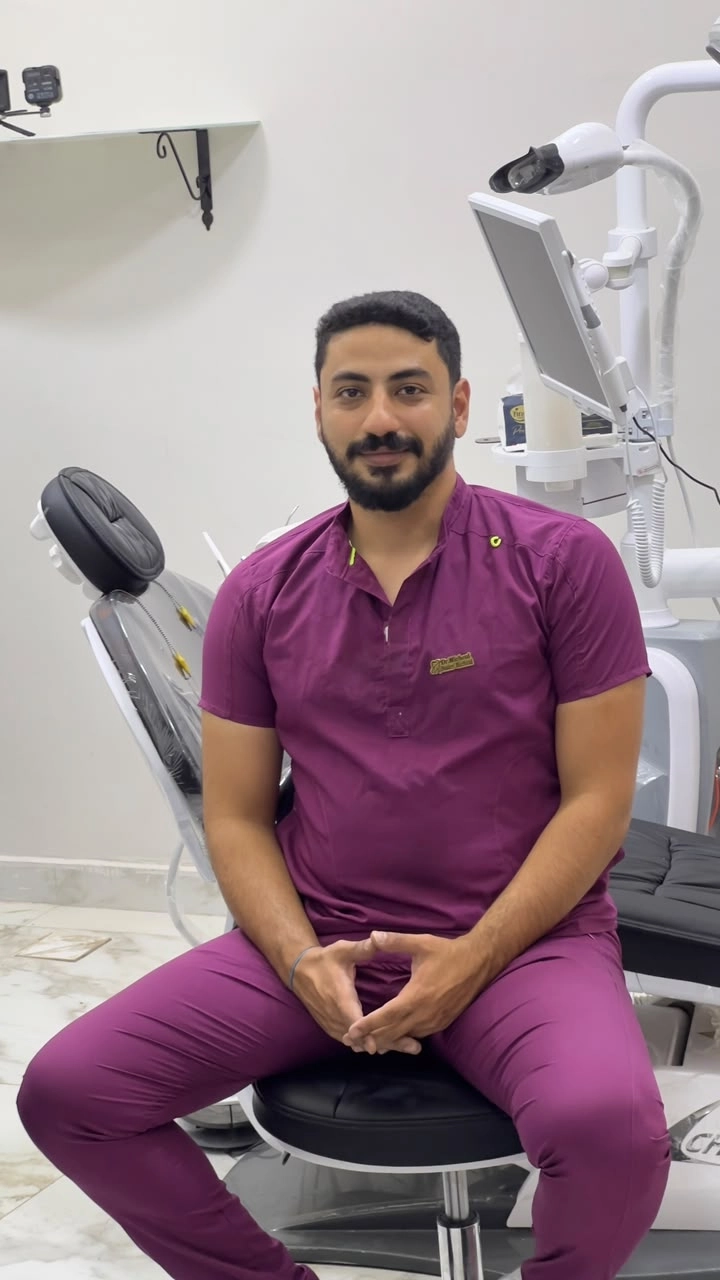

Published on: 2026-10-20 | Written by: Dr. Michel Nader, Dentist and Oral Surgeon

Teeth whitening is one of the most popular and common cosmetic procedures in modern dentistry. It is not limited solely to improving outward appearance and boosting self-confidence; it also reflects the level of care given to oral and dental health. Over time, the outer enamel layer of teeth becomes susceptible to yellowing or staining caused by consuming beverages rich in pigments (such as coffee and tea), continuous smoking, or natural aging. Hence, the critical importance of performing professional whitening procedures under precise medical supervision to guarantee stunning and safe results for the health of both gums and enamel.
Teeth whitening aims to remove deep and surface stains accumulated within the pores of the enamel and dentin layers to restore the natural, brilliant color of the teeth.
Dr. Michel Nader clarifies that professional teeth whitening represents a fundamental step in boosting self-confidence and restoring vitality to a smile, noting that a precise understanding of the nature of stains effectively contributes to selecting the most appropriate therapeutic method without harming surrounding tissues.
Restoring a Natural Bright Shade: Eliminating yellow and dark spots accumulated over the years.
Improving Psychological and Social Well-Being: Granting the patient an attractive smile that increases feelings of satisfaction and confidence during speaking and smiling.
Encouraging Daily Care: Prompting the patient to pay closer attention to oral and dental hygiene to maintain whitening results for as long as possible.
Early Detection of Issues: Examining teeth and gums prior to whitening allows for the treatment of any underlying decay or potential inflammation.
Teeth whitening methods vary in modern dental clinics, ranging from advanced light-based technologies to custom home trays.
Dr. Michel Nader points out that relying on laser or specialized lighting whitening technologies (such as Zoom and Cool Light) has revolutionized the world of dental aesthetics, ensuring immediate and noticeable results within a single session at the clinic.
Laser Bleaching: Utilizing light energy to activate concentrated bleaching agents, accelerating the removal of deep stains.
Photo-Whitening (Zoom/LED): A safe, rapid technique that brightens tooth shade by multiple degrees in under an hour.
Custom Home Trays: Detailed trays custom-made by the dentist for the patient to use at home with safe bleaching agents.
Adhesive Strips and Auxiliary Medical Pastes: Complementary methods to maintain the degree of whiteness and prevent new stain accumulation.
The teeth whitening process undergoes a precise medical protocol ensuring protection for the gums and enamel while achieving the highest levels of safety for the patient.
Dr. Michel Nader advises performing a professional dental cleaning to remove tartar and surface debris before beginning the whitening session, emphasizing that assessing gum health and treating any pre-existing sensitivity are the two primary conditions for a successful procedure without complications.
Comprehensive Examination and Case Evaluation: Ensuring teeth are free of wear, decay, or gum inflammation.
Protecting Gums and Surrounding Tissues: Applying a protective, isolating barrier to the gums to prevent the bleaching agent from reaching them.
Applying the Concentrated Bleaching Agent: Precisely distributing the medical whitening gel onto the outer surfaces of visible front and back teeth.
Activating the Agent with Light or Laser: Exposing teeth to the specified light source for regulated time periods to stimulate effective interaction.
Final Rinsing and Fluoride Application: Removing the whitening agent, washing the mouth, and then applying a protective layer to minimize any temporary sensitivity.
The period following a teeth whitening procedure is crucial for preserving results and preventing the rapid return of stains.
Dr. Michel Nader emphasizes that avoiding dark foods and beverages (such as coffee, tea, and soft drinks) and committing to smoking cessation during the initial days following whitening represents the primary factor for maintaining tooth brilliance and cleanliness over long periods.
Avoid Colored Foods and Beverages: Staying away from tea, coffee, red sauces, and smoking for at least 48 hours.
Use Specialized Sensitivity Toothpaste: Choosing toothpaste rich in potassium or fluoride to reduce temporary sensitivity.
Commit to Strict Daily Hygiene: Brushing teeth twice daily and using dental floss regularly.
Rely on Using a Straw: Using a straw when consuming colored beverages to protect the front surfaces of the teeth.
Rinse with Water After Every Meal: Immediately removing food residue and ingested pigments to prevent buildup.
Consult a Specialized Dentist First: Avoiding random commercial products that may harm tooth enamel and cause erosion.
Moderation in Whitening Procedures: Avoiding excessive, repeated whitening to protect the natural protective layer of the teeth.
Undergo Periodic Cleaning Sessions: Visiting the dental clinic every 6 months to remove tartar and surface deposits.
Maintain Ongoing Follow-Ups with Your Specialist:
Dr. Michel Nader emphasizes in his concluding guidance that teeth whitening is a wonderful aesthetic and health investment that grants humans a bright smile, boosting self-confidence and bringing joy to their features. He confirms that awareness of proper care methods and adherence to medical guidelines are the permanent guarantee for keeping teeth white, strong, and healthy for a lifetime.