

Published on: 2026-10-19 | Written by: Dr. Ahmed Talha, Professor of Gastrointestinal
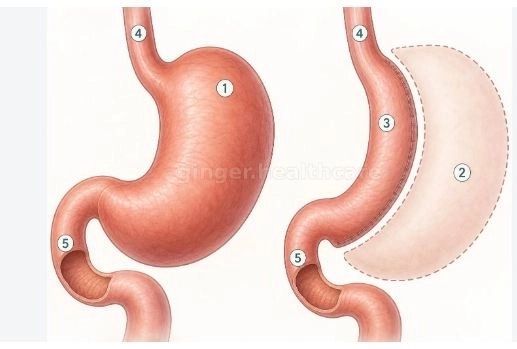
Bariatric surgery is one of the medical options available to help people with severe obesity who have been unable to achieve a healthy weight through diet, exercise, and other treatments. The most common procedures include gastric sleeve surgery and gastric bypass surgery. Both procedures aim to reduce body weight and improve certain obesity-related health conditions, depending on each patient's individual circumstances.
Bariatric surgery has advanced significantly in recent years, and many procedures are now performed using laparoscopic techniques. These techniques involve smaller surgical incisions and may facilitate recovery in patients who are suitable candidates for these procedures.
What Is Bariatric Surgery for Morbid Obesity?
Bariatric surgery is a group of medical procedures designed to help people with severe obesity lose weight, particularly when excess weight affects their health and quality of life or is associated with chronic conditions such as type 2 diabetes, high blood pressure, and obstructive sleep apnea.
These procedures work by reducing the amount of food the stomach can hold or, in certain operations, by changing the route food takes through the digestive system. Depending on the procedure, this can help reduce calorie intake or alter nutrient absorption.
The appropriate procedure is not determined by weight alone. The decision depends on the patient's body mass index (BMI), overall health, medical history, eating habits, and willingness to follow medical instructions after surgery.
Gastric Sleeve Surgery: One of the Most Common Weight-Loss Procedures
Gastric sleeve surgery involves removing a large portion of the stomach, leaving a smaller, tube-shaped stomach. This reduces the amount of food the patient can consume and also affects certain hormones involved in hunger and satiety.
Benefits of Gastric Sleeve Surgery
Reduces stomach capacity and the amount of food that can be consumed.
Helps patients feel full after eating smaller portions.
Can lead to significant weight loss in many patients.
May improve obesity-related conditions, including type 2 diabetes and high blood pressure.
Can be performed laparoscopically in suitable cases.
Who Is a Suitable Candidate for Gastric Sleeve Surgery?
Gastric sleeve surgery may be appropriate for some people with severe obesity who meet the medical criteria for surgery. The presence of gastroesophageal reflux disease (GERD) or other health conditions must be assessed, as sleeve gastrectomy may worsen reflux symptoms in some patients.
The procedure also requires adherence to a gradual postoperative diet, adequate protein intake, prescribed nutritional supplements, and regular medical follow-up as recommended by the doctor.
Gastric Bypass Surgery: How Does It Help with Weight Loss?
Gastric bypass is a type of bariatric surgery that involves creating a smaller functional stomach pouch and changing the route food takes through the small intestine. This affects food intake and the absorption of certain nutrients, as well as hormones involved in appetite regulation and blood sugar control.
There are different types of gastric bypass procedures. The surgeon determines the most appropriate option based on the patient's condition, medical history, and treatment needs.
Benefits of Gastric Bypass Surgery
Helps suitable patients achieve significant weight loss.
May improve blood glucose levels in some patients with type 2 diabetes.
Can help improve certain obesity-related health conditions.
May be suitable for some patients with gastroesophageal reflux disease, depending on the medical assessment and the type of procedure.
Produces hormonal changes that can help regulate appetite and blood sugar levels.
What Should Patients Know Before Gastric Bypass Surgery?
Gastric bypass requires ongoing medical follow-up because changing the route of food through the digestive system can increase the risk of certain vitamin and mineral deficiencies. Patients must take prescribed nutritional supplements, undergo regular blood tests, and monitor their nutritional status after surgery.
Potential risks, including bleeding, leakage, blood clots, and digestive complications, should also be discussed with the surgeon before making a decision.
The Difference Between Gastric Sleeve and Gastric Bypass
The two procedures differ in how they are performed and how they affect the digestive system. The choice depends on each patient's health and individual needs.
Gastric sleeve: Primarily reduces the size of the stomach while leaving the normal route of food through the intestines unchanged.
Gastric bypass: Combines the creation of a smaller stomach pouch with a change in the route food takes through the small intestine. It may have a greater effect on the absorption of certain nutrients.
Neither procedure is suitable for everyone. Gastric sleeve may be more appropriate for some patients, while gastric bypass may be better suited to others, particularly when specific medical considerations exist, such as gastroesophageal reflux disease or type 2 diabetes. The decision should be made after a comprehensive assessment by a specialized surgeon.
Can Bariatric Surgery Be Performed Laparoscopically?
Yes. Many bariatric procedures, including gastric sleeve and gastric bypass, can be performed laparoscopically in suitable patients.
Laparoscopic surgery involves making small incisions in the abdomen through which a camera and specialized surgical instruments are inserted, instead of using the larger incision required for some open surgical procedures.
Potential benefits of laparoscopic surgery include:
Smaller surgical incisions.
Less postoperative pain for many patients.
A lower risk of certain wound complications.
Earlier movement and faster recovery in many cases.
Shorter hospital stays for some patients.
However, the choice of surgical technique depends on the patient's condition and the medical team's expertise. Some cases may require a different approach.
Who Is Eligible for Bariatric Surgery?
Eligibility for bariatric surgery is determined by body mass index, associated medical conditions, previous weight-loss attempts, and a comprehensive medical assessment.
Surgery may be recommended for some people with severe obesity or for those whose excess weight is associated with health problems that affect their daily lives. Eligibility criteria vary according to medical guidelines and individual circumstances.
Before surgery, patients may undergo an assessment that includes their medical history, necessary laboratory tests, nutritional and psychological evaluations when appropriate, and a review of their medications and chronic conditions.
Preparing for Gastric Sleeve or Gastric Bypass Surgery
Proper preparation can help reduce risks and improve recovery. The medical team may recommend the following steps:
Completing the necessary preoperative examinations and laboratory tests.
Assessing overall health and any existing medical conditions.
Following the preoperative diet prescribed by the doctor.
Reviewing current medications and not stopping any medication without medical advice.
Stopping smoking according to medical instructions.
Understanding the stages of postoperative nutrition and the long-term commitments required.
Patients should receive a clear explanation of the benefits, risks, and expected outcomes of surgery so they can make an informed decision appropriate to their condition.
Nutrition After Bariatric Surgery
Proper nutrition after bariatric surgery is essential for successful treatment. Patients generally begin with liquids, gradually progress to foods of suitable consistency, and eventually return to solid foods according to the medical team's plan.
Important dietary recommendations include:
Eating slowly and chewing food thoroughly.
Following the portion sizes recommended by the nutrition specialist.
Consuming adequate protein according to individual needs.
Drinking fluids regularly as instructed.
Avoiding foods and beverages that may cause discomfort or are unsuitable for the current dietary stage.
Taking prescribed vitamins and minerals.
Attending scheduled medical and nutritional follow-up appointments.
Following these recommendations helps support weight loss and reduces the risk of nutritional deficiencies and future weight regain.
Risks and Complications of Bariatric Surgery
Like any surgical procedure, bariatric surgery carries certain risks, including bleeding, infection, leakage from staple lines or surgical connections, blood clots, and complications related to anesthesia.
Long-term complications may include vitamin and mineral deficiencies, gastroesophageal reflux after sleeve gastrectomy, or certain digestive problems following gastric bypass.
The likelihood of complications varies from patient to patient. Selecting appropriate candidates, having surgery performed by a qualified medical team, and maintaining regular follow-up are all important factors in helping reduce risks.
Can Obesity Return After Gastric Sleeve or Gastric Bypass Surgery?
Some patients may regain part of their lost weight after bariatric surgery, particularly if they do not maintain healthy eating habits or neglect medical follow-up. Hormonal, behavioral, and medical factors can also influence weight-loss outcomes.
To help maintain results, patients are advised to follow a balanced diet, engage in appropriate physical activity, get adequate sleep, and monitor their weight and health regularly.
If significant weight regain occurs, patients should consult their medical team to identify the underlying causes and develop an appropriate treatment plan.
The Importance of Choosing a Specialized Bariatric Surgeon
The success of bariatric surgery depends on an accurate preoperative assessment, selecting the appropriate procedure, performing surgery according to medical standards, and providing postoperative follow-up.
Care does not end when the operation is completed. It also includes nutritional guidance, monitoring associated medical conditions, assessing vitamin and mineral levels, and providing the support patients need to maintain their results over the long term.
Conclusion
Bariatric procedures, including gastric sleeve and gastric bypass surgery, are effective medical options for helping suitable patients lose weight and improve certain obesity-related health conditions. The procedures differ in how they are performed, their effects on the digestive system, and their potential risks. Therefore, the appropriate procedure should be selected after a comprehensive medical assessment and a discussion of its benefits, alternatives, and possible complications.
Maintaining healthy eating habits, engaging in physical activity, taking prescribed nutritional supplements, and attending regular medical follow-up appointments remain essential for preserving surgical results and improving overall health.