Published on: 2026-10-19 | Written by: Dr Mohamed Abdel Shafouq Prof of Neurosurgery
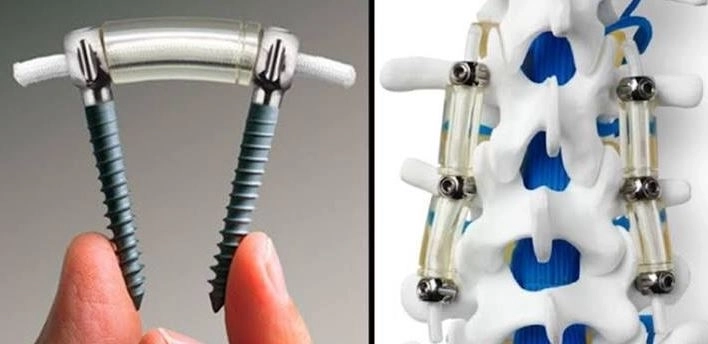
Spinal fusion and stabilization surgery is among the most vital and precise procedures in neurosurgery and spine surgery. It is performed to restore structural stability to the vertebral column and relieve pressure on compressed nerve roots. This surgery plays a critical role in saving patients suffering from severe chronic pain, deformities, or injuries that impair mobility and hinder the ability to lead a normal daily life. These operations rely on advanced medical plates and screws made of titanium to stabilize the affected vertebrae and fuse them together, thereby preventing abnormal movement that leads to cartilage wear and spinal cord compression.
Spinal fusion surgery aims to alleviate pressure on spinal nerves and eliminate painful movement between damaged or unstable vertebrae.
Dr. Mohamed Helmy Abdel Shafouk clarifies that spinal fusion and stabilization operations are now performed with a high degree of safety and minimal risk thanks to modern surgical techniques, noting that the primary goal of the surgery is to protect the spinal cord and restore the patient's ability to stand and walk pain-free.
Relieving Radicular Nerve Compression: Ending sciatica pain, numbness, or tingling in the extremities caused by vertebral pressure.
Restoring Dynamic Spinal Stability: Treating spondylolisthesis (vertebral slippage) and fractures resulting from trauma or accidents.
Correcting Deformities and Curvatures: Treating cases of scoliosis and abnormal curvatures in the cervical or lumbar spine.
Supporting Vertebrae Post-Discectomy: Preventing spinal instability following extensive herniated disc resection procedures.
Spine surgery has witnessed a monumental technological revolution due to reliance on minimally invasive interventions and 3D surgical navigation.
Dr. Mohamed Helmy Abdel Shafouk points out that the use of 3D surgical navigation and Minimally Invasive Surgical Stabilization (MISS) techniques ensures extreme precision in inserting medical screws without compromising surrounding nerves or spinal tissues.
Micro-Invasive Fusion: Performing surgery through fine surgical incisions to minimize muscle disruption and accelerate wound healing.
3D Neuronavigation Systems: Providing live mapping of nerves and vertebrae to guarantee screw placement with millimeter accuracy.
Intraoperative Neurophysiological Monitoring (IONM): Continuous tracking of neural signal transmission throughout the procedure to safeguard the spinal cord.
Titanium Plates, Screws, and Bone Grafting: Incorporating bone material (natural or synthetic) to stimulate permanent osseous fusion between vertebrae.
Spinal fusion procedures follow a strict preparatory and surgical protocol to ensure the highest standards of safety and medical quality.
Dr. Mohamed Helmy Abdel Shafouk advises conducting a comprehensive radiological evaluation—including CT scans, MRIs, and dynamic spine X-rays—prior to surgery to determine the exact number of vertebrae requiring stabilization and the appropriate hardware.
Preparation and General Anesthesia: Preparing the patient, connecting neuro-monitoring equipment, and safely administering general anesthesia.
Accessing Affected Vertebrae: Making the precise surgical incision to reach the posterior or anterior aspect of the spine.
Neural and Spinal Decompression: Removing bone spurs or herniated discs compressing the spinal cord and nerve roots.
Medical Screw and Plate Insertion: Anchoring micro-screws into the vertebral bodies and securing them with durable titanium rods.
Placing Bone Grafts and Verifying Stabilization: Positioning bone graft tissue in intervertebral spaces to promote permanent fusion and closing the wound with meticulous cosmetic techniques.
The recovery phase and strict adherence to proper movement instructions after surgery represent the cornerstone for ensuring bone fusion and complete stabilization success.
Dr. Mohamed Helmy Abdel Shafouk stresses that wearing a supportive medical back brace when leaving bed, keeping the spine straight while seated, and completely avoiding bending or heavy lifting are essential factors for a smooth recovery and a swift return to normal life.
Early and Gradual Mobilization: Initiating light walking within the room the day after surgery to stimulate blood circulation and prevent blood clots.
Adherence to Back Support Braces: Wearing the specialized spinal brace for the duration specified by the surgeon to support the body during movement.
Surgical Wound Hygiene: Maintaining clean and disinfected wound care regularly to avoid bacterial infections.
Physical Therapy and Rehabilitation Program: Starting exercises to strengthen back and abdominal muscles under specialist supervision once tissues have healed.
Protein- and Calcium-Rich Nutrition: Consuming a balanced diet that supports safe and rapid bone fusion.
Select an Experienced Neurosurgeon and Spine Specialist: Ensuring meticulous planning and high precision in medical hardware placement.
Avoid Prolonged Continuous Sitting: Changing body position every 30 minutes to relieve pressure on the lower back.
Weight Management and Complete Smoking Cessation: Preventing additional stress on the spine and encouraging rapid bone fusion (as nicotine negatively impacts bone healing).
Maintain Ongoing Follow-Ups with Your Specialist:
Dr. Mohamed Helmy Abdel Shafouk emphasizes in his concluding advice that spinal fusion and stabilization operations have advanced remarkably to make a genuine difference in patients' lives and end their suffering from severe pain. He confirms that early diagnosis, strict compliance with medical guidelines, and commitment to rehabilitation guarantee the restoration of spinal health and natural movement with complete safety and comfort.