
Published on: 2026-10-18 | Written by: Dr. Mohamed Masoud Qandil Lecturer of Bariatric
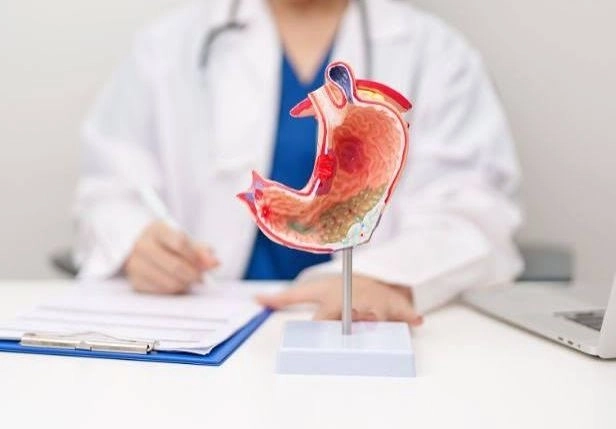
Bariatric surgery serves as the definitive and most effective medical solution for individuals suffering from severe, chronic obesity who have not achieved success through conventional methods such as strict diets or intense exercise routines. Bariatric operations are no longer viewed merely as cosmetic weight-loss procedures; they have evolved into advanced, lifesaving medical interventions that protect patients from severe obesity-related complications, including cardiovascular disease, type 2 diabetes, hypertension, and obstructive sleep apnea. These procedures primarily rely on reducing stomach capacity or modifying the digestive tract to restrict food intake and control hunger signals scientifically and sustainably.
Bariatric surgery aims to reset body mass index (BMI) and manage weight-related comorbidities by reducing consumed calories and optimizing systemic hormonal responses.
Dr. Mohamed Mosaad Qandil clarifies that bariatric surgery represents a true lifeline for patients navigating severe, treatment-resistant weight challenges. He highlights that these operations primarily aim to safeguard vital organs, lower triglyceride and cholesterol levels, and radically improve a patient's overall quality of life.
Regulating Blood Glucose Levels: Stimulating intestinal hormone secretion to restore blood sugar regulation, often resulting in complete remission of type 2 diabetes.
Lowering High Blood Pressure: Eliminating excess weight significantly reduces the mechanical workload placed on cardiac muscles and blood vessels.
Relieving Joint and Spinal Pain: Alleviating constant mechanical pressure exerted on the knees and spinal vertebrae.
Improving Respiratory Function and Sleep: Resolving obstructive sleep apnea and restoring deep, comfortable breathing.
Multiple approved surgical options exist for treating morbid obesity. The selection of the most suitable procedure depends on the patient's medical profile, dietary habits, and overall body mass index.
Dr. Mohamed Mosaad Qandil points out that relying on advanced laparoscopic techniques to perform procedures such as sleeve gastrectomy and gastric bypass has revolutionized the surgical field, ensuring high medical safety and exceptional results without requiring major open incisions.
Laparoscopic Sleeve Gastrectomy: Resecting approximately 75–80% of the stomach structure into a slender tubular shape, thereby restricting food capacity and lowering ghrelin (the hunger hormone).
Roux-en-Y Gastric Bypass (Classic): Reducing stomach size and connecting it directly to a lower segment of the small intestine to minimize caloric and sugar absorption.
Mini Gastric Bypass (One Anastomosis): A precise technique combining stomach size reduction with rerouting a specific segment of the intestine via a single loop connection, which is highly effective for diabetic patients.
Intragastric Balloon or Smart Capsule: Non-surgical, temporary solutions designed for mild obesity cases requiring limited weight loss.
Bariatric operations undergo a rigorous, integrated medical protocol that begins with comprehensive preoperative evaluations and extends into long-term follow-up care.
Dr. Mohamed Mosaad Qandil advises conducting thorough preoperative laboratory panels and detailed cardiovascular and digestive evaluations, emphasizing that meticulous psychological and physical preparation ensures a smooth surgical procedure free of complications.
Comprehensive Assessment and Preoperative Testing: Confirming candidate eligibility for anesthesia and analyzing body composition (fat vs. muscle mass).
Short-Term Preoperative Dietary Preparation: Following a clear liquid diet to reduce liver volume and facilitate laparoscopic visualization.
General Anesthesia and Laparoscopic Execution: Inserting fine laparoscopic instruments through micro-abdominal incisions to execute the procedure precisely.
Awakening and Vital Monitoring: Transferring the patient to recovery to monitor vital signs and ensure stable clinical status.
Gradual Fluid Introduction: Permitting small sips of water and clear fluids during initial post-anesthesia hours based on surgical directions.
The postoperative recovery phase demands strict adherence to instructions provided by the surgical and clinical nutrition teams to guarantee healthy weight loss and prevent side effects.
Dr. Mohamed Mosaad Qandil stresses that proper dietary progression—advancing from clear liquids to puréed and eventually solid foods—alongside regular hydration and light walking, forms the essential core of a rapid and safe recovery.
Structured Dietary Progression: Strictly following fluid diets before introducing soft and puréed foods to avoid placing stress on the newly created stomach pouch.
Continuous Hydration Throughout the Day: Sipping small, frequent amounts of water to prevent dehydration and renal strain.
Daily Vitamin and Mineral Supplementation: Committing to prescribed nutritional supplements to replace potential nutrient deficiencies resulting from reduced food volume.
Avoiding Refined Sugars and Fats: Refraining from high-calorie, sugary foods that trigger dumping syndrome and digestive distress.
Early Mobilization and Light Activity: Stimulating systemic blood circulation to prevent thromboembolism and activate metabolic processes.
Nutritional Awareness and Sustainable Lifestyle Changes: Recognizing that surgery is an empowering tool rather than a quick fix, requiring permanent modification of eating habits.
Eliminating Carbonated Beverages and Sugary Drinks: Protecting the new stomach pouch from stretching and bloating.
Commitment to Routine Diagnostic Follow-Ups: Regularly testing iron, vitamin levels, and complete blood counts every few months.
Maintain Ongoing Follow-Ups with Your Specialist:
Dr. Mohamed Mosaad Qandil emphasizes in his concluding advice that bariatric surgery stands as a landmark medical achievement restoring health and hope to thousands of patients. He confirms that accurate diagnosis, selecting the optimal surgical technique, and strict compliance with medical and nutritional guidelines are the true keys to a healthy, disease-free life filled with vitality and lasting fitness.