

Published on: 2026-10-18 | Written by: Dr. Imad Mustafa Consultant Urologist
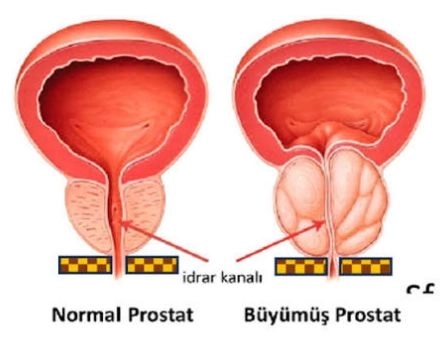
Benign prostatic hyperplasia (BPH) is a common condition among men as they age. It may cause difficulty urinating, a weak urine stream, and frequent trips to the bathroom, especially at night. With advances in urological surgery, prostate vaporization has become one of the techniques used to treat excess prostate tissue that obstructs urine flow. Some techniques use thermal energy or laser technology to vaporize the excess tissue and improve urination.
The choice of treatment for prostate enlargement depends on the size of the gland, the severity of symptoms, the patient's overall health, and the results of medical examinations. Medication may be suitable for some patients, while others require surgical intervention when medications are ineffective or complications affecting the urinary system develop.
What Is Benign Prostatic Hyperplasia?
Benign prostatic hyperplasia is a noncancerous enlargement of the prostate gland, which is located below the bladder and surrounds part of the urethra. As the prostate enlarges, it may press against the urethra and obstruct the normal flow of urine from the bladder.
Benign prostatic hyperplasia does not mean that a man has prostate cancer. These are two different conditions, although some symptoms may overlap, making an appropriate medical evaluation necessary.
The most common symptoms of prostate enlargement include:
A weak or interrupted urine stream.
Difficulty starting urination.
Straining to pass urine.
Frequent urination during the day and night.
A feeling that the bladder has not emptied completely.
A sudden, urgent need to urinate.
Dribbling after urination.
In some cases, severe enlargement may lead to urinary retention, urinary tract infections, bladder stones, or impaired kidney function, requiring appropriate medical intervention.
What Is Prostate Vaporization?
Prostate vaporization is a medical procedure designed to remove or vaporize excess prostate tissue that presses against the urethra, helping improve urine flow and relieve symptoms caused by benign enlargement.
The procedure can be performed using laser technology, such as GreenLight photoselective vaporization, or other techniques that rely on electrical energy. The method selected depends on the size of the prostate, the nature of the enlargement, and the patient's overall health.
Laser vaporization is generally performed using an endoscope inserted through the urethra, without the need for an external surgical incision. It may also reduce bleeding and speed up recovery in patients who are suitable candidates for the procedure.
When Does a Patient Need Prostate Vaporization?
Not every patient with benign prostatic hyperplasia requires surgery. Some cases can be managed with medication and regular monitoring. However, a doctor may recommend surgical intervention when symptoms become severe or do not respond adequately to medication.
Conditions that may require vaporization include:
Weak urine flow that interferes with daily activities.
Difficulty emptying the bladder completely.
Urinary retention caused by prostate enlargement.
Recurrent urinary tract infections associated with urinary obstruction.
Bladder stones caused by difficulty emptying the bladder.
Recurrent blood in the urine caused by prostate enlargement, after evaluating the underlying cause.
Impaired kidney function resulting from urinary obstruction in some cases.
Inadequate improvement with medication.
The urologist determines whether vaporization is appropriate after evaluating prostate size, the severity of obstruction, and potential complications.
How Is Prostate Vaporization Performed?
The procedure uses a specialized endoscope that allows the doctor to visualize and treat the enlarged tissue precisely. The main steps include the following:
1. Preoperative Examinations
The doctor begins by assessing the patient's symptoms and medical history and may request several tests, including:
Urinalysis and urine culture when necessary.
Kidney function tests, depending on the patient's condition.
Prostate-specific antigen (PSA) testing when appropriate.
Ultrasound to determine prostate size and the amount of urine remaining in the bladder after urination.
Uroflowmetry to measure urine flow rate.
Additional examinations if other bladder or urethral problems are suspected.
2. Anesthesia and Patient Preparation
The procedure is usually performed under general or spinal anesthesia, depending on the anesthesiologist's assessment and the patient's medical condition.
3. Inserting the Endoscope
The doctor inserts the endoscope through the urethral opening until it reaches the prostate, without requiring an external surgical incision in the standard procedure.
4. Vaporizing the Enlarged Tissue
The doctor directs laser energy or another vaporization instrument toward the tissue causing the obstruction. The excess tissue is treated gradually until the urinary passage is sufficiently widened to improve urine flow.
5. Catheter Placement When Necessary
A temporary urinary catheter may be inserted after the procedure to drain urine and monitor the patient's condition. The doctor determines when it should be removed based on bleeding, the ability to urinate, and the type of procedure performed.
The details, duration, and recovery period vary according to the technique used, prostate size, and the patient's condition.
What Are the Benefits of Prostate Vaporization?
Laser vaporization is one of the surgical options used to treat symptoms of benign prostatic hyperplasia in suitable patients. Its main benefits include:
Performing the procedure through the urethra without an external surgical incision.
Helping improve urine flow and reduce difficulty urinating.
Reducing bleeding compared with some traditional surgical procedures in appropriate cases.
Potentially reducing the duration of urinary catheter use after surgery.
Shortening hospital stays in many cases.
Allowing a relatively faster return to daily activities.
Serving as a suitable option for some patients at increased risk of bleeding, following medical evaluation.
However, outcomes vary depending on the technique used, prostate size, and the patient's overall health. Some patients may require additional treatment or another procedure in the future.
Is Prostate Vaporization Painful?
The procedure is performed under anesthesia, so patients do not feel pain during surgery under standard circumstances. After the procedure, some temporary symptoms may occur during recovery, including:
A burning sensation during urination.
Frequent urination or a sudden urge to urinate.
Small amounts of blood in the urine.
Discomfort in the bladder area.
Temporary need for a urinary catheter.
These symptoms usually improve gradually. However, persistent or worsening symptoms require medical review. Inability to urinate, severe bleeding, or a high temperature accompanied by chills requires urgent medical evaluation.
How Long Does Prostate Vaporization Take?
The duration of prostate vaporization varies according to gland size, the degree of enlargement, the technique used, and the patient's condition. The patient may need to stay in the hospital for a short period, while some patients can return home on the same day or after an overnight stay.
The duration of catheter use and the time needed to resume daily activities also vary from one patient to another. Some urinary symptoms may improve quickly after surgery, while complete improvement may take several weeks or occasionally longer.
The doctor provides recovery instructions and follow-up recommendations based on the procedure and the patient's response.
Does Prostate Vaporization Affect Sexual Function?
One of the main concerns for men considering this procedure is its potential effect on erections and ejaculation.
Erections: Prostate vaporization does not necessarily cause erectile dysfunction. However, outcomes may vary depending on the patient's health, the technique used, and other contributing factors.
Ejaculation: Changes in ejaculation may occur after some prostate procedures, including retrograde ejaculation, in which semen flows backward into the bladder instead of exiting through the penis, or a reduction in semen volume.
Sexual desire: The procedure does not necessarily reduce sexual desire, but patients should discuss any concerns about sexual health with their doctor before surgery.
It is important to understand that normal erections and ejaculation cannot be guaranteed with every procedure. Therefore, the potential benefits, risks, and alternatives should be discussed before making a treatment decision.
What Is the Difference Between Prostate Vaporization and Traditional Endoscopic Prostate Resection?
Several techniques are available to treat benign prostatic hyperplasia. The choice depends on prostate size, symptoms, and the patient's medical condition.
Laser prostate vaporization:
Uses laser energy to vaporize excess prostate tissue.
May be associated with less bleeding in certain cases.
May help reduce catheterization time and hospital stay.
Transurethral resection of the prostate (TURP):
Removes excess tissue using a surgical instrument inserted through an endoscope.
Is a well-established and effective procedure for treating benign prostatic hyperplasia.
Has risks and recovery times that vary according to the technique and the patient's condition.
No single technique is best for every patient. The doctor selects the most appropriate procedure after assessing prostate size, symptom severity, potential risks, and expected outcomes.
Tips After Prostate Vaporization
Important recommendations include:
Taking prescribed medications and attending follow-up appointments.
Drinking an appropriate amount of water according to medical instructions.
Avoiding heavy lifting and strenuous activity for the period specified by the doctor.
Avoiding driving and resuming normal activities until medically cleared.
Not stopping or restarting blood-thinning medications without medical instructions.
Attending the scheduled appointment for catheter removal if one was inserted.
Consulting the doctor if burning during urination persists, blood in the urine increases, or urine flow worsens.
Complete urinary retention, severe bleeding, or fever accompanied by chills requires urgent medical attention.
Conclusion
Prostate vaporization is one of the modern treatment options used to relieve urinary obstruction caused by benign prostatic hyperplasia. It may improve urine flow and reduce bladder-related symptoms. The benefits of the procedure depend on accurate diagnosis, selecting the appropriate technique, and monitoring the patient after surgery.
A urologist's evaluation remains essential to determine whether vaporization is the most suitable option or whether medication or another surgical technique may provide better results for the patient's specific condition.