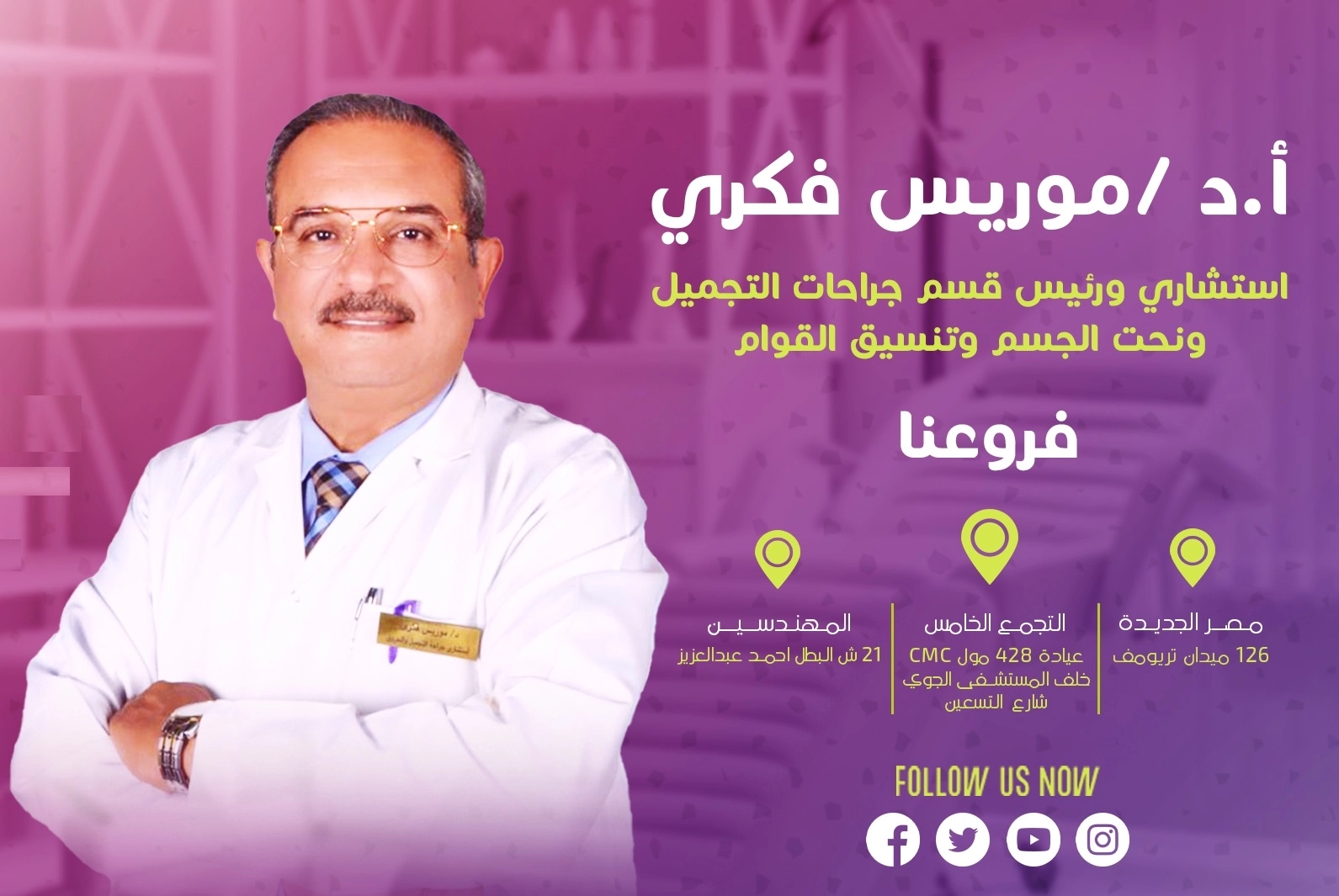

Published on: 2026-10-17 | Written by: Dr. Maurice Fikry, Prof of Plastic Surgery
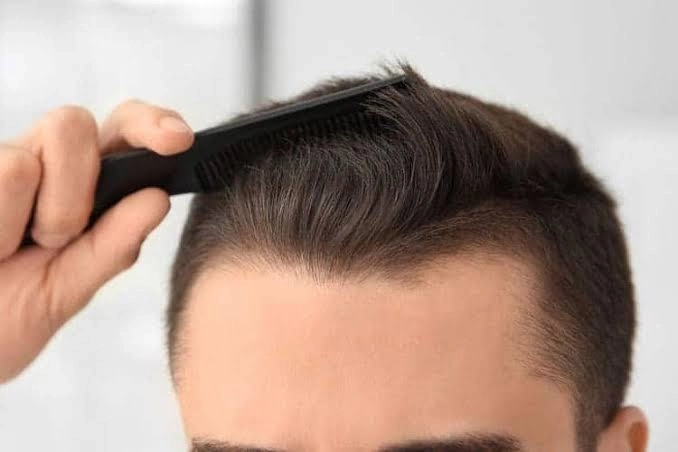
Natural Hair Transplantation is one of the most prominent and successful medical achievements in the field of cosmetic surgery and the restoration of a youthful, aesthetic scalp appearance. With the evolution of modern medical technologies, treating hereditary pattern baldness, hair thinning, and chronic hair loss has become readily accessible with outstanding, highly satisfying results. Hair transplant procedures fundamentally rely on redistributing and harvesting viable hair follicles from the donor area (typically the back and sides of the head, which are genetically resistant to baldness) and precisely implanting them into bald or recipient regions, ensuring permanent, natural hair growth that blends seamlessly with native hair.
Natural hair transplantation aims to restore lost hair density and reconstruct the hairline in a manner that aligns naturally with facial features and the patient's age group.
Dr. Maurice Fikry clarifies that the primary objective of natural hair transplantation goes beyond merely covering bald patches; it extends to rebuilding self-confidence and achieving an integrated aesthetic look that is virtually indistinguishable from natural hair prior to hair loss.
Sustainability of Implanted Follicles: Utilizing genetically resistant follicles ensures lifelong, continuous hair growth.
Judicious Density Redistribution: Maximizing donor area efficiency without compromising its overall appearance.
Scalp Blood Circulation Stimulation: Preparing tissue beds to receive new follicles and nourish them optimally.
Realistic and Natural Outcomes: Directing follicle growth angles and directions to perfectly match the patient's natural hair flow.
Hair transplantation technology has experienced major qualitative leaps, eliminating unsightly linear scars and achieving maximum precision with rapid recovery.
Dr. Maurice Fikry points out that modern extraction techniques—such as FUE (Follicular Unit Extraction), Sapphire FUE, and the use of specialized implanter pens (DHI)—have revolutionized surgical success rates and minimized recovery periods to an absolute minimum.
Follicular Unit Extraction (FUE): Harvesting follicles individually using micro-punches and implanting them into custom slits.
Sapphire FUE: Utilizing fine sapphire blades to open micro-channels, significantly reducing tissue swelling and accelerating healing.
Direct Hair Implantation (DHI with Choi Pens): Harvesting and implanting follicles directly in a single step without pre-opening channels, allowing for higher hair density.
Adjuvant Interventional Therapy (PRP): Injecting Platelet-Rich Plasma to nourish newly implanted follicles and promote rapid root anchorage in the scalp.
The hair transplantation process follows a strict medical protocol and integrated stages, starting from initial diagnosis through to successful procedure completion.
Dr. Maurice Fikry advises conducting a precise, thorough evaluation of donor area density, scalp condition, and underlying causes of hair loss to establish the ideal medical and cosmetic treatment plan for the patient.
Designing and Hairline Mapping: Geometrically drawing the donor boundary and frontal hairline to complement facial features and forehead contours.
Safe Local Anesthesia: Fully numbing the scalp locally to ensure a completely pain-free procedure throughout surgery.
Follicle Extraction: Carefully harvesting intact follicular units from the donor site and preserving them in a specialized nutrient solution.
Recipient Site Channel Creation (in select techniques): Creating recipient channels with precise depth, size, and angling.
Precise Follicle Implantation: Inserting each follicle into its designated slit with extreme care to maintain vitality and natural orientation.
The postoperative period is critical for ensuring graft anchorage and preventing mechanical trauma or external damage.
Dr. Maurice Fikry stresses that strict adherence to physician instructions during the initial weeks—especially regarding sleeping positions, gentle hair washing protocols, and avoiding physical exertion—is the definitive guarantee for achieving 100% transplant success.
Proper Sleeping Position: Sleeping in an elevated position (at a 45-degree angle) using a medical neck pillow to avoid contact with the implanted area.
Initial Washing Protocol: Following specific guidelines to cleanse the scalp using prescribed medical lotion and shampoo without rubbing or direct pressure.
Avoiding Sun and Heat Exposure: Refraining from direct sun exposure, saunas, and steam rooms for several weeks.
Temporary Cessation of Strenuous Activity: Abstaining from heavy lifting and intense exercise that causes excessive sweating for a designated duration.
Vitamin-Rich Nutrition: Consuming healthy foods rich in protein and iron to support the growth and strength of newly transplanted hair.
Select an Equipped Medical Center and Specialized Team: Ensuring surgical expertise in natural follicle distribution and aesthetic hairline design.
Patience with Hair Growth Cycles: Understanding that transplanted hair undergoes a temporary shedding phase (shock loss) in the first few weeks before gradually re-entering a permanent growth cycle.
Avoid Smoking and Excessive Stimulants: Improving oxygenated blood flow and nutrient delivery to newly implanted root grafts.
Maintain Ongoing Follow-Ups with Your Specialist:
Dr. Maurice Fikry emphasizes in his concluding advice that natural hair transplantation has become a safe, effective medical option that transforms lives. He notes that accurate diagnosis, advanced technologies, and strict adherence to postoperative care are the true keys to restoring dense hair and a attractive, youthful appearance with complete confidence and safety.