
Published on: 2026-10-15 | Written by: Dr. Karim Mohamed Ramadan Consultant of Oncology
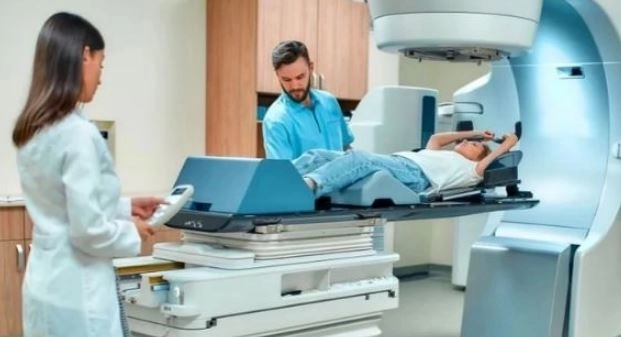
radiation therapy for cancer treatment, how it works to control cancer cells, its main types and side effects, and the importance of medical follow-up with Dr. Karim Mohamed Ramadan at Bright Care Oncology Center in Nasr City.
What Is Radiation Therapy for Cancer Treatment?
Radiation therapy is one of the important methods used to treat many types of cancer. It relies on using precise doses of radiation to destroy cancer cells or limit their ability to grow and divide. The use of radiation therapy is determined according to the type, location, and stage of the tumor, as well as the patient's overall health.
Dr. Karim Mohamed Ramadan, Consultant of Clinical Oncology at the Armed Forces Hospitals and Lecturer of Clinical Oncology at the Military Medical Academy, provides cancer diagnosis, treatment, and follow-up services through Bright Care Oncology Center, with each patient's condition evaluated to determine the appropriate treatment needs.
When Is Radiation Therapy Used to Treat Cancer?
Radiation therapy can be used at different stages of cancer treatment, either alone or in combination with other treatments, depending on the medical plan established for each case.
The main goals of radiation therapy include:
Reducing Tumor Size: Helping shrink a tumor before surgery in certain cases.
Destroying Remaining Cancer Cells: Reducing the risk of recurrence after surgery in selected cases.
Treating Certain Tumors: Serving as the primary treatment for some types of cancer.
Combining with Chemotherapy: Increasing the effectiveness of the treatment plan in certain cases.
Relieving Symptoms: Helping relieve pain caused by certain tumors or cancer that has spread to the bones, based on medical evaluation.
Not all cancer patients require radiation therapy. The decision depends on the nature of the tumor, test results, and the assessment of the specialized medical team.
Types of Radiation Therapy for Cancer Treatment
There are several types of radiation therapy. The appropriate type is selected according to the tumor's location, size, and treatment goals.
1. External Beam Radiation Therapy
A specialized machine directs radiation toward the tumor from outside the body. Treatment is carefully planned to minimize radiation exposure to surrounding healthy tissues as much as possible. This type is used to treat many tumors and may require multiple sessions over a period determined by the medical team.
2. Internal Radiation Therapy
This method involves placing a radioactive source inside the body or near the tumor. Some applications are known as brachytherapy. It is used in specific cases depending on the type and location of the tumor.
3. Precisely Targeted Radiation Therapy
Modern treatment-planning techniques help direct radiation doses accurately toward the tumor while taking nearby organs and tissues into consideration. The appropriate technique is selected based on the tumor's location, characteristics, and the patient's needs.
How Are Radiation Therapy Sessions Performed?
Radiation therapy involves several steps designed to ensure treatment accuracy and patient safety. These typically include:
Medical Evaluation: Reviewing the diagnosis, imaging results, and laboratory tests to determine whether radiation therapy is needed.
Treatment Planning: Performing the necessary imaging to identify the tumor's location and develop a treatment plan.
Dose Determination: Selecting the total radiation dose and number of sessions according to the tumor type and treatment plan.
Treatment Sessions: Delivering radiation to the targeted area according to the established plan.
Medical Follow-Up: Monitoring the tumor's response and evaluating side effects during and after treatment.
The duration of each session and the total number of sessions vary from one patient to another. Therefore, there is no single treatment schedule suitable for all cases.
Side Effects of Radiation Therapy
Radiation therapy may cause certain side effects, which vary depending on the treated area, the radiation dose, and the patient's health condition.
Possible side effects include:
Fatigue and tiredness.
Redness or irritation of the skin in the treated area.
Hair loss in the area exposed to radiation.
Nausea or digestive disturbances when certain areas are treated.
Difficulty swallowing or inflammation of the mouth when treating the head and neck region.
Changes in the function of organs near the treatment area in certain cases.
Not all patients experience these symptoms, and some side effects may be temporary. Patients should inform their medical team about any new or worsening symptoms so they can be evaluated and managed appropriately. Products should not be applied to the treated skin without consulting the specialized medical team.
Important Tips During Radiation Therapy
Following medical instructions can help patients manage the treatment period more comfortably. Important recommendations include:
Attending scheduled treatment sessions and follow-up appointments.
Eating a balanced diet appropriate for the patient's health condition and nutritional needs.
Getting enough rest and sleep.
Drinking fluids according to the physician's recommendations, particularly when medical conditions require fluid restrictions.
Caring for the skin in the treated area according to the medical team's instructions.
Avoiding new medications or dietary supplements without consulting the physician.
Informing the physician about unusual symptoms or difficulty tolerating treatment.
The Role of Dr. Karim Mohamed Ramadan in Cancer Diagnosis and Follow-Up
Cancer treatment requires a comprehensive evaluation to determine the nature and stage of the disease and the most appropriate treatment options. Dr. Karim Mohamed Ramadan provides clinical oncology and hematologic oncology services, including early and accurate cancer diagnosis, evaluation of chemotherapy, immunotherapy, and targeted therapy options, and follow-up according to each patient's needs.
The need for radiation therapy and the delivery of radiation sessions are coordinated with a radiation oncologist and the specialized medical team according to the treatment plan appropriate for the patient's condition.
Conclusion
Radiation therapy is an important treatment option for many types of cancer. It may be used to treat a tumor, reduce the risk of recurrence, or relieve symptoms, depending on the patient's condition. Accurate diagnosis, careful treatment planning, and regular follow-up help determine the appropriate treatment plan and manage potential side effects.
Consulting an oncologist and discussing the available treatment options are important steps in understanding the treatment plan, learning about its expected benefits and potential risks, and making informed decisions in collaboration with the medical team.