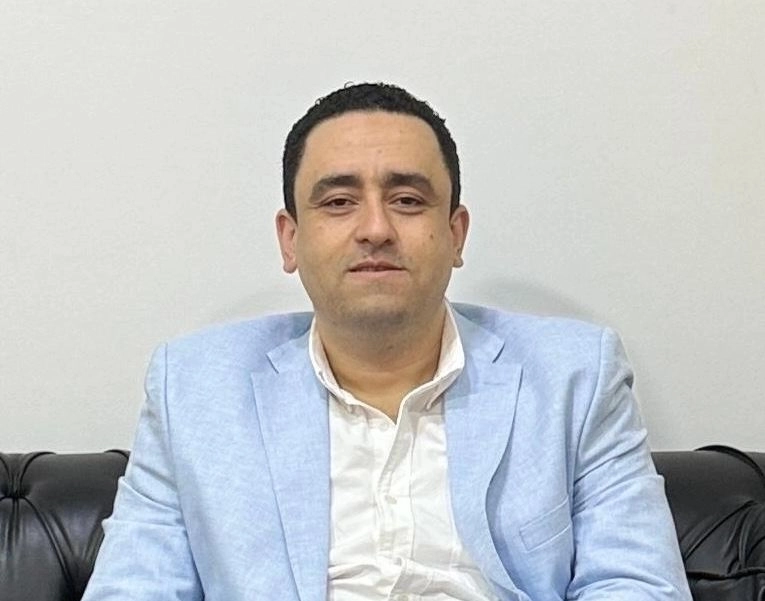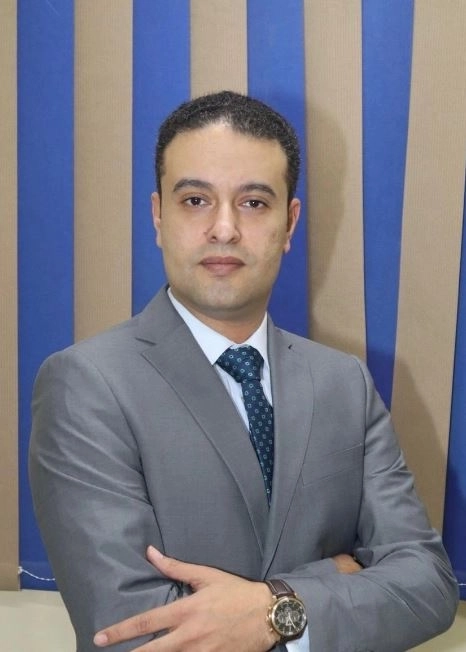

Published on: 2026-10-15 | Written by: Dr. Karim Mohamed Ramadan Consultant of Oncology

Psychological and medical support for cancer patients is an important part of the treatment journey, as patients need comprehensive care that helps them cope with the health and psychological challenges associated with the disease. Dr. Karim Mohamed Ramadan, Consultant of Clinical Oncology at the Armed Forces Hospitals and Lecturer of Clinical Oncology at the Military Medical Academy, provides specialized services in cancer diagnosis, treatment, and follow-up through Bright Care Oncology Center in Nasr City.
The Importance of Psychological Support for Cancer Patients
Cancer patients may experience feelings of anxiety, fear, and stress from the time of diagnosis through the beginning of treatment and subsequent follow-up. Appropriate psychological support can help patients adapt to the disease and cope with changes that may affect their daily lives.
Psychological support for cancer patients includes several aspects, such as:
Helping patients manage anxiety and fear related to diagnosis and treatment.
Providing a safe environment where patients can express their feelings and concerns.
Encouraging patients to communicate with their families and receive social support.
Seeking assistance from a mental health professional when needed.
Providing clear information about treatment stages to reduce anxiety caused by uncertainty about the next steps.
The Role of Medical Support in Cancer Treatment
Medical care for cancer patients begins with an accurate diagnosis and determining the type and stage of the tumor. The appropriate treatment plan is then selected based on the patient's condition and test results. Regular follow-up helps assess the response to treatment, identify side effects, and manage them appropriately.
Specialized medical care includes a range of services, such as:
Early and accurate diagnosis of various types of cancer.
Developing an appropriate treatment plan for each case.
Chemotherapy based on medical evaluation.
Radiation therapy in coordination with the specialized medical team.
Immunotherapy and targeted therapy for eligible cases.
Regular follow-up to assess treatment outcomes and overall health.
Dr. Karim Mohamed Ramadan provides clinical oncology and hematologic oncology services through Bright Care Oncology Center, focusing on evaluating each patient's condition and selecting appropriate treatment and follow-up approaches.
The Relationship Between Psychological Well-Being and Treatment Response
Psychological well-being can influence a patient's ability to adapt to treatment, attend medical appointments, and cope with side effects. Therefore, addressing mental health alongside medical care may help improve the patient's quality of life throughout treatment.
Strategies that may help cancer patients cope with psychological stress include:
Obtaining reliable medical information from the treating physician.
Attending scheduled treatment and follow-up appointments.
Maintaining communication with family members and friends.
Engaging in daily activities appropriate to the patient's health condition.
Seeking professional psychological support if anxiety, sadness, or sleep disturbances persist.
It is important to understand that psychological support is not a substitute for medical treatment; rather, it is a complementary component of the comprehensive care that cancer patients need.
The Role of Family in Supporting Cancer Patients
Family members play an important role in helping patients face daily challenges during treatment, whether through emotional support or assistance with organizing medical appointments and following the physician's instructions.
Families can provide support by listening without dismissing the patient's concerns, accompanying them to medical appointments when needed, helping them obtain accurate information, and respecting their preferences when making healthcare decisions in collaboration with the medical team.
Families should also avoid making promises about guaranteed treatment outcomes. Instead, they should focus on providing continuous support and creating a supportive environment that helps patients cope with each stage of treatment.
The Importance of Medical and Psychological Follow-Up During Cancer Treatment
Cancer requires regular follow-up, which varies according to the type and stage of the tumor and the treatment plan being used. Follow-up includes evaluating the body's response to treatment, reviewing test results, managing side effects, and identifying the patient's medical and psychological needs.
Maintaining communication with the treating physician allows patients to discuss any new symptoms or concerns related to treatment. Seeking specialized psychological support when needed can also help patients manage the stress associated with the disease.
Dr. Karim Mohamed Ramadan provides cancer and hematologic oncology diagnosis, treatment, and follow-up services at Bright Care Oncology Center, according to each patient's needs and the medical