

Published on: 2026-10-15 | Written by: Dr. Ahmed Mohi, Consultant General
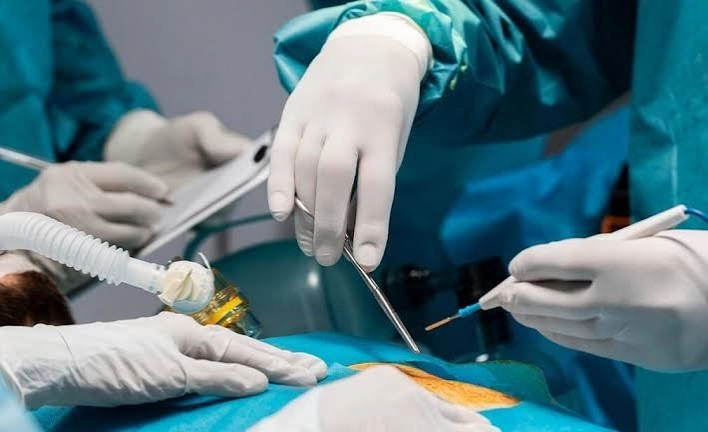
The field of General and Laparoscopic Surgery has witnessed a remarkable transformation in recent years, as the shift in surgical medicine toward minimally invasive techniques has reshaped traditional surgical concepts. Advanced laparoscopic surgery relies on performing therapeutic interventions through extremely small surgical incisions using microscopic cameras and specialized tools. This allows the surgeon to access the abdominal and pelvic cavities with supreme precision without the need for large surgical incisions, thereby reducing hospital stays and ensuring the patient returns to their normal daily life in record time.
Laparoscopic surgery represents the advanced and surgically safer alternative to many operations that were historically performed through traditional open surgery.
Dr. Ahmed Mohy clarifies that general laparoscopic surgery has brought about a qualitative leap in managing diseases and anatomical changes within the digestive system and abdomen, guaranteeing patients the highest levels of surgical precision while minimizing pain, bleeding, and infection risks to the lowest medical thresholds.
Reducing Surgical Tissue Trauma: Preserving abdominal wall and muscle integrity thanks to micro-incisions.
Magnified, High-Definition Visualization: Providing precise visualization of internal blood vessels and nerves via high-definition (HD/4K) cameras.
Minimizing Postoperative Pain: Reducing the need for strong analgesics and accelerating the restoration of mobility.
Superior Cosmetic Outcomes: Gradual fading of surgical entry marks compared to traditional surgical scars.
The medical applications of laparoscopic surgery are wide-ranging, encompassing a broad spectrum of surgical procedures within the abdomen, anus, and digestive tract.
Dr. Ahmed Mohy points out that laparoscopic techniques have become the primary first-line choice for gallbladder removal, repairing various types of hernias, and performing appendectomies, alongside advanced bariatric surgeries, due to their high medical safety profile and exceptional success rates.
Laparoscopic Cholecystectomy: For treating gallstones and chronic inflammation without a major surgical incision.
Laparoscopic Hernia Repair: Such as inguinal, ventral, and umbilical hernias, with precise mesh placement.
Laparoscopic Appendectomy: In acute and chronic cases to ensure rapid healing.
Colorectal and Digestive Tract Surgeries: Resecting tumors or diseased bowel segments with minimal surgical intrusion.
Advanced Bariatric Surgeries: Such as sleeve gastrectomy and gastric bypass to control weight and associated comorbidities.
Laparoscopic operations undergo a strict medical protocol and structured stages, starting from preoperative evaluation through to recovery and awakening.
Dr. Ahmed Mohy advises undergoing comprehensive medical evaluations and assessing heart and lung function prior to surgery, emphasizing that thorough patient preparation and timing guarantee a smooth and completely safe surgical procedure.
Preparation and General Anesthesia: Placing the patient under safe general anesthesia while monitoring vital signs throughout the surgery.
Creating Keyhole Incisions: Making 3 to 4 tiny incisions (ranging from 5 to 10 mm) in the abdominal wall.
Abdominal Insufflation with Carbon Dioxide: Providing a spacious and safe visualization field for the movement of surgical tools.
Executing the Surgical Procedure: Utilizing microscopic cautery and cutting instruments to complete the operation with high precision.
Wound Closure and Monitoring: Removing the laparoscope and closing the incisions with fine cosmetic sutures that leave minimal scarring.
Laparoscopic surgery is characterized by a short recovery period compared to open surgery; however, strict adherence to medical instructions accelerates tissue healing.
Dr. Ahmed Mohy stresses that early mobilization and light walking within a few hours post-surgery represent a crucial step in stimulating bowel motility, expelling gas, and preventing venous thrombosis.
Wound Care: Keeping surgical incision sites dry and clean, changing dressings according to instructions.
Gradual Dietary Progression: Starting with warm liquids and light foods before resuming a normal diet.
Avoiding Heavy Lifting: Refraining from lifting heavy objects or performing strenuous physical exertion for a duration specified by the surgeon.
Adhering to Prescribed Medications: Taking antibiotics and analgesics strictly on schedule.
Monitoring for Unusual Symptoms: Contacting the clinic immediately upon noticing a fever or severe pain unresponsive to analgesics.
Select a Fully Equipped Hospital and Medical Center: Ensuring the availability of modern laparoscopic towers and highly sterilized operating rooms.
Rely on Specialized Surgical Expertise: Partnering with a surgeon possessing extensive experience in general and advanced laparoscopic applications.
Strict Adherence to Pre- and Post-Operative Instructions: Committing to fasting hours before surgery and following postoperative recovery guidelines.
Maintain Ongoing Follow-Ups with Your Specialist:
Dr. Ahmed Mohy emphasizes in his concluding advice that advanced laparoscopic surgery has become the ideal and safest option for treating most surgical conditions, confirming that continuous technological advancement, combined with medical awareness and adherence to surgical guidelines, gives patients the best opportunity for full recovery and a return to daily life in complete health and wellness.