

Published on: 2026-10-15 | Written by: Dent Shine Dr. Ahmed Gamal Hussein
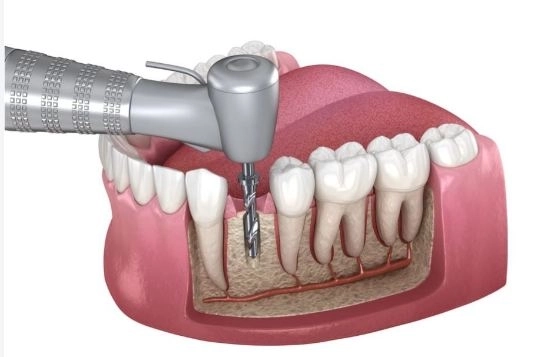
root canal treatment, its main causes and symptoms, the stages of cleaning and filling root canals, and the importance of early treatment to relieve pain and preserve natural teeth with Dr. Ahmed Gamal Hussein, Specialist in Endodontics and Cosmetic Dentistry at Dent Shine Center in Alexandria.
What Is Root Canal Treatment?
Root canal treatment is an important dental procedure used to treat inflammation or infection affecting the dental pulp, the inner part of the tooth that contains nerves and blood vessels. This problem may occur as a result of deep tooth decay, a fractured tooth, or an injury that allows bacteria to reach the internal tissues of the tooth.
Root canal treatment aims to remove infected tissue, clean and disinfect the root canals, and then fill and seal them appropriately to help prevent the infection from returning. This procedure helps preserve the natural tooth instead of extracting it when the tooth can be successfully treated.
Causes of the Need for Root Canal Treatment
Several factors may lead to dental pulp inflammation and the need for treatment, including:
Deep tooth decay that reaches the dental pulp.
Inflammation of the dental pulp caused by bacterial buildup.
Tooth fractures or injuries that affect the internal tissues.
Recurrent decay beneath old fillings.
An abscess or infection around the tooth roots.
Severe tooth wear that may affect the dental pulp.
Failure of previous root canal treatment or persistent infection inside the root canals.
Early examination helps detect the problem and determine the appropriate treatment before the inflammation spreads to the tissues surrounding the tooth root.
Symptoms of Dental Pulp Inflammation
Symptoms of dental nerve inflammation vary depending on the severity and stage of the condition. They may include:
Persistent or recurring toothache.
Severe tooth pain at night.
Sensitivity to hot or cold drinks that continues after the stimulus is removed.
Pain when chewing or applying pressure to the tooth.
Swelling of the gum surrounding the affected tooth.
An abscess or collection of pus near the root.
Tooth discoloration in some cases.
Pain that extends to the jaw or neighboring teeth.
In some cases, an infection may develop without noticeable pain. Therefore, pain alone should not be used to determine the condition of the dental pulp. A dental examination is necessary if a problem is suspected.
Stages of Root Canal Treatment
Root canal treatment involves several stages, which the dentist determines according to the condition of the tooth and the extent of the inflammation. These stages include:
Dental Examination: The dentist examines the tooth and gums and may request X-rays to assess the roots and determine the extent of the inflammation.
Local Anesthesia: Local anesthesia is used to reduce discomfort during the procedure.
Opening the Tooth and Accessing the Pulp: A small opening is created to reach the dental pulp and root canals.
Removing Infected Tissue: Inflamed or infected tissue is removed from inside the tooth.
Cleaning the Root Canals: The canals are cleaned and disinfected using specialized instruments and solutions to help reduce bacteria.
Filling the Root Canals: The canals are filled with suitable materials and sealed to prevent bacteria from entering.
Restoring the Tooth: An appropriate filling is placed. A dental crown may be needed to protect the tooth and restore its strength, especially if it is weakened or has lost a significant amount of its structure.
Is Root Canal Treatment Painful?
Root canal treatment is usually performed under local anesthesia, which helps reduce pain during the procedure. Patients may experience some sensitivity or mild pain afterward, particularly when applying pressure to the tooth. These symptoms generally improve gradually.
The level of discomfort varies from person to person depending on the severity of the inflammation and the condition of the tooth. If severe pain persists or swelling increases after treatment, the dentist should be consulted to assess the condition.
The Importance of Root Canal Treatment in Preserving Natural Teeth
Root canal treatment helps preserve an affected tooth when it can be restored, allowing the patient to continue using the natural tooth for chewing and speaking. It may also reduce the need for tooth extraction and replacement with dental restorations or other alternatives.
Treatment outcomes depend on the condition of the tooth before the procedure, the extent of the infection, the quality of canal cleaning and sealing, and proper restoration and follow-up care.
The Difference Between Dental Fillings and Root Canal Treatment
A conventional dental filling is used to treat decay that has not reached the dental pulp. The decayed portion is removed, and the tooth is restored using a suitable filling material.
Root canal treatment, on the other hand, is necessary when inflammation or infection reaches the dental pulp. It involves cleaning and filling the root canals, followed by restoring the outer part of the tooth. The dentist determines the appropriate procedure after an examination and X-rays, as not every toothache requires root canal treatment.
Tips After Root Canal Treatment
To help preserve the tooth after treatment, the following recommendations are advised:
Avoid chewing on the tooth if it has a temporary filling or has not yet received its permanent restoration.
Follow the dentist’s instructions regarding painkillers and other medications.
Brush your teeth twice daily using fluoride toothpaste.
Use dental floss to help remove food particles between the teeth.
Complete the permanent filling or crown placement when necessary.
Attend follow-up appointments scheduled by the dentist.
Consult the dentist if pain persists, swelling develops, or symptoms return.
When Should You Visit a Dentist for Root Canal Treatment?
You should visit a dentist if you experience persistent pain, severe sensitivity to hot or cold temperatures, pain when chewing, or swelling of the gums. Early diagnosis helps identify the cause of the pain and determine the appropriate treatment.
If you experience increasing facial swelling or difficulty swallowing or breathing, seek emergency medical care immediately.
Root Canal Treatment with Dr. Ahmed Gamal Hussein at Dent Shine Center
Dr. Ahmed Gamal Hussein, Specialist in Endodontics and Cosmetic Dentistry, provides dental services at Dent Shine Center in Ibrahimia, Alexandria. Assessing the condition of the dental pulp and root canals is an important step in determining whether a tooth requires root canal treatment, retreatment, or another appropriate procedure.
Conclusion
Root canal treatment is a procedure that helps eliminate infection and preserve natural teeth when the condition is diagnosed and treated appropriately. Maintaining good oral hygiene, treating tooth decay early, and attending regular dental checkups are among the most important steps for protecting dental health and reducing the risk of future problems.