
Published on: 2026-10-15 | Written by: Dr. Ghada Saad Mangoud Obstetrics and Gynecology
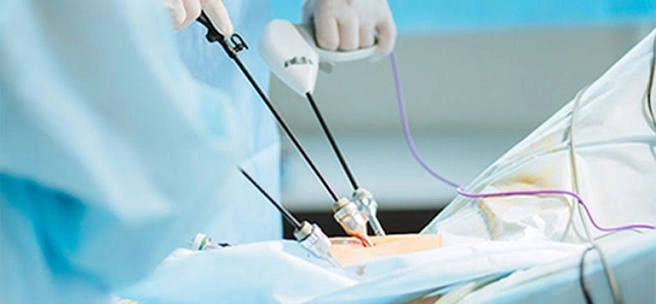
Obstetrics and gynecology have witnessed a massive technological revolution with the advent of Advanced Gynecological Laparoscopic Surgery, representing a major qualitative leap in treating complex women's health conditions without requiring traditional open surgical interventions and large incisions. This sophisticated technique relies on introducing high-definition cameras and fine, microscopic surgical tools through tiny keyhole incisions in the abdominal wall, granting the surgeon a clear, magnified view that guarantees supreme precision in diagnosis and treatment while significantly reducing pain levels and recovery times.
Advanced gynecological laparoscopy is the most sophisticated surgical tool for managing complex pelvic and abdominal conditions with unprecedented precision.
Dr. Ghada Saad Mangoud clarifies that advanced gynecological laparoscopic surgery has brought about a true revolution in pelvic surgeries, enabling the ability to treat challenging conditions with extreme accuracy while completely preserving healthy tissues and vital organs, thereby raising success rates and minimizing surgical complications to a minimum.
High Surgical Precision: Magnified and clear visualization of the finest tissue and vascular details in the pelvis.
Preserving Reproductive Capacity: Resecting tumors or adhesions with precision without damaging the uterus or ovaries.
Reducing Bleeding and Adhesions: Significantly limiting intraoperative blood loss and preventing subsequent internal adhesion formation.
Rapid Recovery and Return to Normal Life: Shortening hospital stays and resuming daily activities as quickly as possible.
Numerous pathological and anatomical conditions warrant resorting to advanced gynecological laparoscopic techniques to achieve definitive and safe solutions.
Dr. Ghada Saad Mangoud points out that thorough evaluation and early diagnosis using advanced imaging represent the first step in determining the need for laparoscopic intervention, emphasizing that these surgeries have proven remarkably effective in treating advanced endometriosis and complex uterine fibroids.
Large or Multiple Uterine Fibroids: Precise resection while preserving the uterus for women wishing to conceive.
Severe Endometriosis: Removal of active endometriotic lesions and complex pelvic adhesions.
Ovarian Cysts and Tumors: Carefully excising functional cysts or benign and malignant ovarian tumors with extreme caution.
Chronic Pelvic and Abdominal Adhesions: Adhesiolysis for internal scarring resulting from prior surgeries or acute infections.
Congenital Uterine Anomalies: Repairing structural defects that may cause delayed conception or recurrent miscarriages.
Laparoscopic surgeries follow strict, well-studied medical protocols ensuring the highest standards of safety for the patient throughout the procedure.
Dr. Ghada Saad Mangoud advises conducting a comprehensive preoperative evaluation including blood panels, organ function tests, and Doppler ultrasound or MRI imaging, emphasizing that meticulous preparation guarantees a smooth and completely successful procedure.
Preparation and General Anesthesia: Placing the patient under safe, stable general anesthesia throughout the surgery.
Creating Keyhole Incisions: Making 3 to 4 tiny microscopic incisions in the abdominal wall to introduce the laparoscope and instruments.
Abdominal Insufflation with Carbon Dioxide: Creating a spacious and comfortable visualization field for the surgical team.
Executing the Precise Surgical Procedure: Resecting tumors, lysing adhesions, or repairing damaged tissues.
Closure and Observation: Suturing keyhole incisions with fine cosmetic stitches and transferring the patient to recovery for monitoring.
Laparoscopic surgeries are characterized by a short, rapid recovery period; however, following medical instructions postoperatively enhances tissue healing and prevents complications.
Dr. Ghada Saad Mangoud stresses that light movement and gradual walking as soon as possible after surgery play a crucial role in stimulating blood circulation, expelling residual abdominal gas, and preventing blood clots.
Adhere to Medications and Pain Relievers: Take prescribed antibiotics and analgesics strictly on schedule.
Small Wound Care: Keep laparoscopic incision sites clean and dry, avoiding rubbing or friction.
Balanced Nutrition and Hydration: Consume fiber-rich foods and drink plenty of water to prevent constipation and abdominal strain.
Avoid Strenuous Physical Exertion: Refrain from heavy lifting or vigorous exercise for several weeks.
Routine In-Clinic Follow-Up: Consult the physician on the scheduled date to inspect wound healing and remove stitches (if applicable).
Select a Fully Equipped Medical and Surgical Center: Ensure the availability of state-of-the-art laparoscopic towers, sterilization units, and intensive care capabilities.
Specialized Consultant and Surgical Expertise: Rely on a physician with extensive experience and international fellowships in advanced gynecological laparoscopic surgery.
Immediate Response to Unusual Symptoms: Visit the hospital immediately upon experiencing a noticeable fever, severe unexplained pain, or abnormal wound drainage.
Maintain Ongoing Follow-Ups with Your Specialist:
Dr. Ghada Saad Mangoud emphasizes in her concluding advice that advanced gynecological laparoscopic surgery represents a revolutionary solution combining treatment precision with rapid recovery. She notes that medical awareness, proper diagnosis, and reliance on modern surgical technologies are the surest way to safeguard a woman's health and vital organ integrity with complete sustainability and safety.