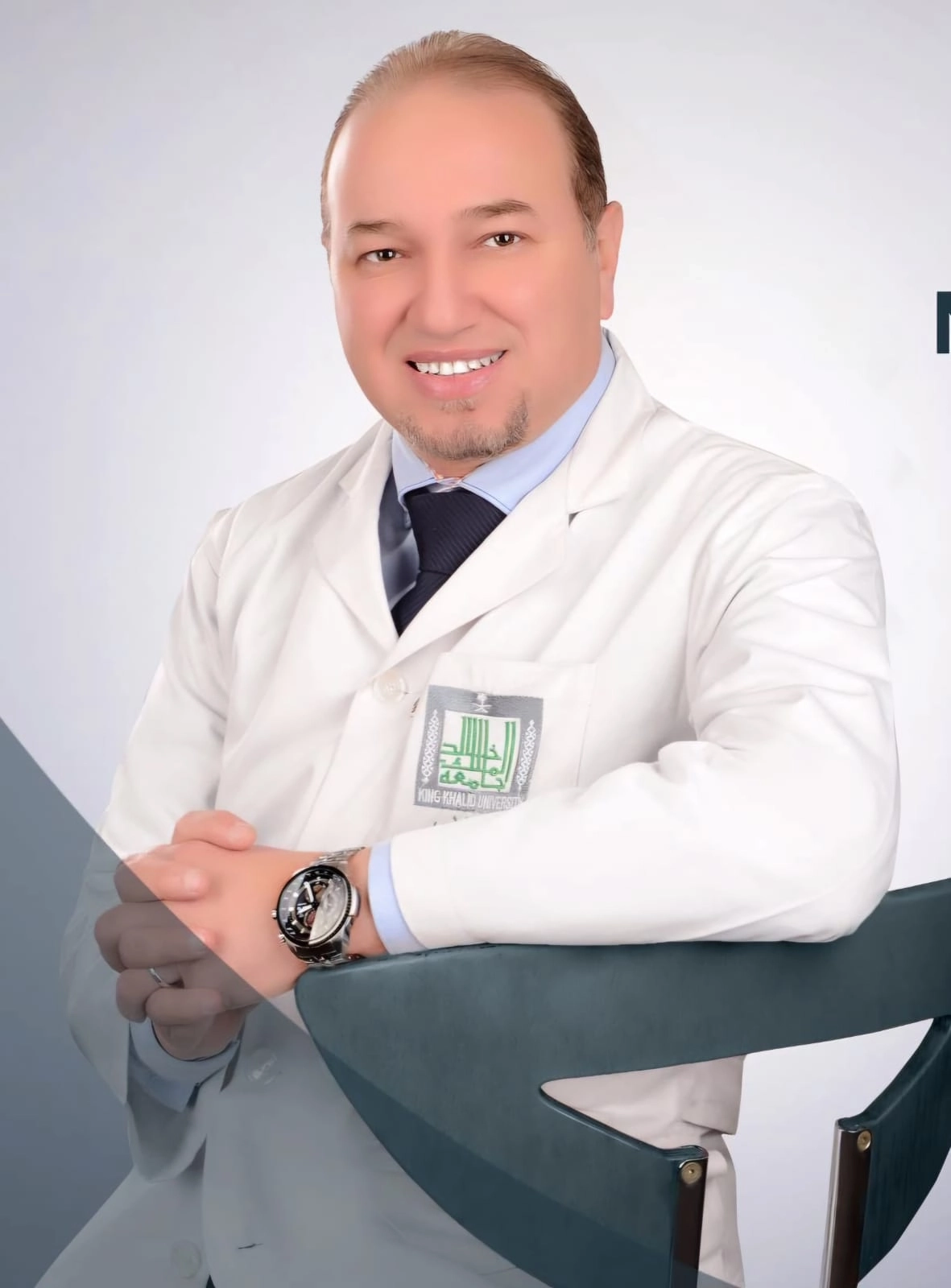

Published on: 2026-10-15 | Written by: Dr. Hassan Mansour Hijab, Prof of Obstetrics
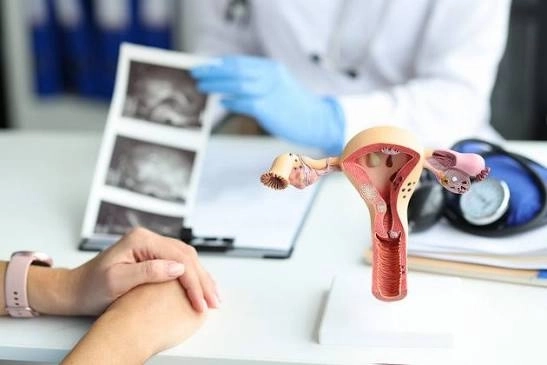
Reproductive Health is a fundamental pillar of overall health and holistic well-being for women across all stages of life. It is not merely the absence of disease, but rather encompasses complete physical, mental, and social well-being related to the reproductive system and its functions. With increasing modern health challenges and the pressures of daily life, medical awareness and regular screening have become the first line of defense in preventing complex gynecological disorders and malignant tumors, ensuring a healthy and stable life for women.
Reproductive health reflects a woman's ability to enjoy a safe and fulfilling reproductive life, alongside the capacity to reproduce and the freedom to make informed, safe choices regarding her health.
Prof. Dr. Hassan Mansour Hegab clarifies that maintaining reproductive health begins with early awareness and commitment to routine preventive checkups. He points out that proper, early diagnosis of any cellular or hormonal changes spares women from complex health complications and ensures long-term reproductive vitality.
Early Disease Prevention: Detecting infections, cysts, or tissue changes before they develop into major medical conditions.
Family Planning and Proper Counseling: Providing age-appropriate medical guidance to support fertility.
Hormonal Balance Support: Maintaining vital equilibrium, which directly reflects on a woman's physical and psychological well-being.
Raising Community Health Awareness: Educating women on personal care practices and warning signs that necessitate consulting a physician.
Protecting the reproductive system requires relying on precise, advanced diagnostic techniques capable of detecting conditions in their earliest stages.
Prof. Dr. Hassan Mansour Hegab highlights that monumental advancements in medical imaging and gynecological oncology diagnostics have revolutionized cure and recovery rates, emphasizing that routine ultrasound examinations and laboratory pap smears serve as the ultimate safeguard for women's health.
Pap Smear Test: For early detection of any abnormal or potentially precancerous cells.
Advanced Transvaginal and Abdominal Ultrasound: To evaluate ovarian efficiency, endometrial thickness, and confirm that the pelvic region is free of masses or tumors.
Comprehensive Hormonal Profiles: To assess ovarian reserve and identify hormonal imbalances early on.
Thorough Clinical Examination: To verify tissue integrity and rule out unwanted lumps or masses.
Gynecological tumors (whether benign, such as uterine fibroids, or malignant, such as uterine, ovarian, and cervical cancers) represent health risks that demand high alertness and medical awareness.
Prof. Dr. Hassan Mansour Hegab advises never ignoring abnormal symptoms, such as unexplained bleeding, persistent pelvic pain, or unusual discharge. He emphasizes that addressing gynecological tumors promptly using state-of-the-art surgical and therapeutic techniques achieves exceptional outcomes in preserving life and well-being.
Precision Surgical Resection: Utilizing advanced techniques and laparoscopy to remove tumors while preserving healthy tissue whenever possible.
Close Monitoring of Complex Cases: Formulating individualized treatment plans tailored to each patient based on tumor type and stage.
Attention to Familial Genetic History: Conducting proactive genetic screening for women with a family history of breast or ovarian tumors.
Adopting a Healthy Lifestyle: Reducing exposure to toxins, quitting smoking, and managing excess weight.
Daily habits and nutrition play a pivotal role in supporting the efficiency of the reproductive system and protecting it from chronic issues and infections.
Prof. Dr. Hassan Mansour Hegab stresses that adopting a balanced lifestyle that includes healthy nutrition and regular exercise directly contributes to boosting immunity and significantly reducing the incidence of hormonal and gynecological disorders.
Antioxidant-Rich Nutrition: Consuming vegetables, fruits, and whole grains to support cellular health.
Adequate Hydration: Drinking sufficient amounts of water to support vital body processes and flush out accumulated toxins.
Regular Physical Exercise: Improving blood circulation and promoting blood flow to the pelvic region.
Managing Stress and Anxiety: Protecting hormonal balance and preventing menstrual cycle irregularities.
Commitment to Regular Specialist Visits: Scheduling periodic checkups even in the absence of visible symptoms.
Continuous Awareness and Avoiding Harmful Chemical Products: Using safe, medically approved personal care products and intimate washes.
Immediate Response to Warning Signs: Consulting the clinic promptly upon experiencing unusual pain or physical changes.
Maintain Ongoing Follow-Ups with Your Specialist:
Prof. Dr. Hassan Mansour Hegab concludes by emphasizing that maintaining reproductive health is a true investment in a woman's future and overall vitality. He affirms that combining medical awareness, early diagnosis, and specialized healthcare represents the strongest shield for protecting tissue health and enjoying a safe, happy life.