
Published on: 2026-10-15 | Written by: Experts Physio House Clinic
Treatment of sciatica, cervical disc herniation, and lumbar disc herniation is one of the most important areas of physical therapy and rehabilitation. Appropriate treatment programs can help relieve pain, improve mobility, and reduce the impact of spinal problems on daily activities. The treatment approach varies depending on the nature of the condition, the severity of symptoms, and the degree of nerve involvement. Therefore, selecting the appropriate treatment program depends on a careful assessment of each case.
Treatment of Sciatica: Main Causes and Symptoms
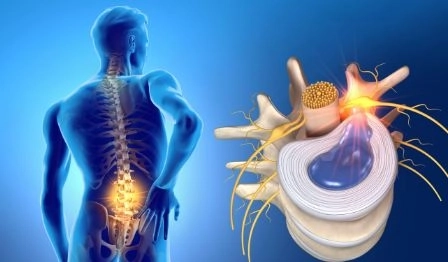
Sciatica is a condition caused by irritation or compression of the sciatic nerve, one of the largest nerves in the body. It extends from the lower back through the buttocks and down the leg. Sciatica may be associated with lumbar disc problems, spinal canal narrowing, or other conditions that place pressure on the nerve.
Common symptoms of sciatica include:
Lower back pain that radiates to the buttocks and leg.
Numbness or tingling in the leg or foot.
Increased pain when sitting for long periods or performing certain movements.
Muscle weakness in the leg in some cases.
Difficulty moving or walking when the pain becomes more severe.
Physical therapy can help manage many cases of sciatica by improving mobility and relieving pain through appropriate therapeutic exercises, stretching, muscle-strengthening exercises, and training in correct movement techniques. The type of treatment is determined according to the cause of the pain and the examination findings.
Treatment of Lumbar Disc Herniation and Lower Back Pain
The lumbar disc is one of the discs located between the vertebrae of the lower back. Its function is to help absorb shock and facilitate spinal movement. A disc bulge or herniation may occur when part of the disc extends beyond its normal boundaries, potentially irritating nearby nerves and causing pain.
Symptoms that may accompany lumbar disc herniation include:
Lower back pain that may radiate to one leg.
Numbness or tingling in the foot or leg.
Increased pain when bending or lifting objects incorrectly.
Difficulty performing certain daily activities because of pain.
Muscle weakness when the nerves are affected.
Treatment for lumbar disc herniation depends on the severity of the condition and its associated symptoms. Physical therapy may include exercises to improve spinal flexibility and strengthen the back and abdominal muscles, balance and mobility training, and guidance on avoiding movements that aggravate the pain. Some cases require further medical evaluation to determine whether additional treatment is necessary.
Treatment of Cervical Disc Herniation and Neck Pain
The cervical disc is one of the discs located between the vertebrae of the neck. It helps absorb shock and facilitate movement of the head and neck. When a bulging or herniated disc develops in this area, it may affect a nerve, causing neck pain or pain that radiates to the shoulder and arm.
The most common symptoms of cervical disc herniation include:
Neck pain, stiffness, and difficulty moving the head.
Pain extending to the shoulder, arm, or hand.
Numbness or tingling in the fingers.
Weakness in the arm or hand muscles in some cases.
Increased pain with certain neck movements or when maintaining the same position for long periods.
Treatment for cervical disc herniation depends on an assessment of the symptoms and the extent of nerve involvement. Physical therapy may include gradual movement exercises, muscle strengthening, and improving neck and shoulder posture, along with guidance to reduce strain during work, sleep, and mobile phone use.
Vigorous exercises or forceful neck movements should be avoided without a professional assessment, especially when persistent numbness or arm weakness is present.
The Role of Physical Therapy in Treating Sciatica and Cervical and Lumbar Disc Herniation
Physical therapy can help manage many cases of spinal pain and disc problems through a treatment program tailored to the symptoms and the patient's ability to move. The program aims to improve physical function, reduce pain, and restore the ability to perform daily activities more comfortably.
The main components of physical therapy include:
Therapeutic exercises: To strengthen the muscles that support the spine and improve flexibility and mobility.
Stretching exercises: When appropriate for the condition, these may help reduce muscle tightness and improve the range of motion.
Posture correction: Training patients to sit, stand, and bend in ways that reduce pressure on the back and neck.
Manual therapy: May be used as part of a comprehensive program alongside exercises, depending on the assessment and the nature of the condition.
Movement rehabilitation: Helping patients gradually return to daily activities and reduce fear of movement.
Home-care guidance: Teaching patients how to modify daily activities and avoid movements that worsen their symptoms.
The treatment program varies from one patient to another. There is no single set of exercises suitable for every case of disc herniation or sciatica.
Tips for Reducing Neck and Lower Back Pain
Several recommendations may help reduce strain on the spine, including:
Avoid sitting for long periods without changing position.
Maintain proper posture when using a computer or mobile phone.
Avoid lifting heavy objects incorrectly.
Engage in daily movement gradually, according to physical ability.
Follow the exercises prescribed by the physical therapist.
Avoid completely stopping daily activities for extended periods unless advised by a physician.
Avoid performing random exercises or undergoing aggressive sessions that may worsen symptoms.
Having a herniated disc on an imaging scan does not necessarily mean surgery is required. Many cases can be treated using non-surgical methods, while others require specialist evaluation depending on symptom severity and nerve involvement.
When Should You Seek Immediate Medical Attention?
Certain symptoms require urgent medical assessment, particularly sudden or progressive weakness in the arm or leg, new difficulty walking or maintaining balance, loss of bladder or bowel control, or numbness around the genital area. These signs may indicate serious nerve compression that requires prompt intervention.
Sciatica and Disc Herniation Treatment at Experts Physio House Clinic
Experts Physio House Clinic provides physical therapy and clinical nutrition services, including rehabilitation for lower back and neck pain, cervical and lumbar disc herniation, and sciatica. The clinic also offers movement rehabilitation programs tailored to the needs of each patient.
Physical therapy and rehabilitation services include:
Treatment for lower back and neck pain.
Rehabilitation for cervical and lumbar disc herniation.
Physical therapy programs for sciatica.
Treatment for muscle strains and ligament problems.
Rehabilitation sessions following surgical procedures.
Exercises to improve mobility, flexibility, and muscle strength.
Rehabilitation for certain neurological and movement disorders, according to the assessment.
Conclusion
Treating sciatica, cervical disc herniation, and lumbar disc herniation requires identifying the cause of the pain and determining the extent of nerve involvement before selecting an appropriate treatment program. Physical therapy and therapeutic exercises, when indicated, can help improve mobility and the ability to perform daily activities. Following proper rehabilitation and medical instructions is important, and patients should consult a physician if symptoms persist or signs of nerve weakness develop.