

Published on: 2025-06-21 | Written by: Dr. Mohamed Sobhi, Consultant Ophthalmologist
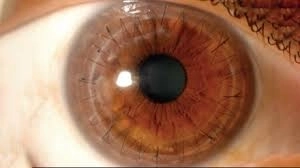
modern corneal transplantation techniques, the main reasons for corneal transplant surgery, the types of surgical procedures, and the recovery process with Dr. Mohamed Sobhy, Consultant in Eye Surgery, Laser Procedures, and Corneal Grafting in Smouha, Alexandria.
What Is Corneal Transplantation?
Corneal transplantation, also known as a corneal graft, is a surgical procedure that aims to replace part or all of a damaged cornea with healthy donor corneal tissue. It is performed when the transparency, shape, or normal function of the cornea is affected.
The cornea is the transparent layer at the front of the eye that helps focus light to produce clear vision. When the cornea becomes damaged, scarred, or cloudy, patients may experience reduced vision or blurred sight. In such cases, corneal transplantation may be an appropriate treatment option, depending on the condition.
Causes That May Require Corneal Transplantation
An ophthalmologist may recommend corneal transplantation when problems significantly affect vision or corneal health. The main causes include:
Advanced Keratoconus: When the cornea changes shape and becomes thin and cone-shaped, making it difficult to correct vision using conventional methods.
Corneal Opacity: Resulting from infections, injuries, or scarring that affect corneal transparency.
Corneal Damage Due to Injuries: Such as deep wounds or accidents that affect corneal tissue.
Inherited Corneal Diseases: Certain conditions affect the layers of the cornea and lead to reduced visual clarity.
Loss of Corneal Transparency: Due to diseases affecting the inner cells responsible for regulating fluid within the cornea.
Complications of Certain Eye Surgeries: When the cornea is affected to an extent that requires surgical intervention.
The decision to perform a corneal transplant depends on an eye examination, the degree of visual impairment, and the affected corneal layer, rather than symptoms alone.
Types of Corneal Transplantation Using Modern Techniques
Advances in corneal surgery allow specialists to select the most appropriate procedure according to the affected part of the cornea. The main types include:
1. Full-Thickness Corneal Transplantation
This procedure is used when several corneal layers are severely damaged. The surgeon replaces the entire cornea with healthy donor tissue. It may be suitable for certain cases of deep scarring or extensive damage that cannot be treated with a partial transplant.
2. Anterior Lamellar Corneal Transplantation
This procedure is used in certain cases where the front layers of the cornea are damaged while the inner layers remain relatively healthy. It allows the affected tissue to be replaced while preserving the healthy inner layers whenever possible.
3. Endothelial Corneal Transplantation
This procedure is used to treat certain diseases affecting the inner layer of the cornea, particularly conditions involving the cells responsible for maintaining fluid balance and corneal transparency, while the front layers remain relatively healthy.
This type of surgery helps preserve healthy tissue and reduces the need to replace the entire cornea. Recovery time and outcomes may vary depending on the procedure and the condition of the eye.
What Are Modern Corneal Transplantation Techniques?
Modern developments in corneal surgery include the use of precise surgical techniques that allow only the damaged layers to be replaced when appropriate. This approach aims to preserve as much healthy corneal tissue as possible, reduce certain surgical risks, and improve recovery outcomes.
Specialized examinations, such as corneal imaging, corneal thickness measurements, and evaluation of the different corneal layers, also help identify the location of the damage and select the most suitable transplant technique. The use of each technique depends on an accurate diagnosis, the medical team's expertise, and the availability of the necessary equipment.
No single technique is suitable for every patient. Some patients may require a full-thickness transplant, while others may be treated by replacing only a specific corneal layer.
Steps Involved in Corneal Transplant Surgery
The details of the procedure vary depending on the type of transplant and the condition of the eye, but it usually involves the following stages:
Preoperative Eye Examination: The ophthalmologist evaluates the cornea, measures its thickness, examines other parts of the eye, and determines the need for surgery.
Selecting the Type of Transplant: The doctor determines whether the condition requires replacing the entire cornea or only a specific layer.
Performing the Surgery: The damaged tissue is removed, and donor corneal tissue is placed using the appropriate technique and secured according to the type of procedure.
Postoperative Follow-Up: Regular examinations are performed to monitor corneal healing and check for complications.
Following the Prescribed Treatment: Eye drops and medications are used according to the doctor's instructions to support recovery and reduce the risk of inflammation or graft rejection.
Recovery After Corneal Transplantation
Recovery time varies from one patient to another depending on the type of surgery, the extent of corneal damage, and the overall health of the eye. Vision may take weeks or months to improve, and sometimes longer to stabilize adequately.
Important postoperative instructions include:
Use eye drops and medications according to the prescribed dosage.
Avoid rubbing or putting pressure on the eye.
Wear an eye shield if recommended by the doctor.
Avoid swimming and activities that may expose the eye to contamination during the period specified by the doctor.
Attend all scheduled follow-up appointments and examinations.
Contact the doctor immediately if severe pain, increasing redness, sudden vision loss, or unusual discharge occurs.
Does Corneal Transplantation Restore Normal Vision?
Corneal transplantation aims to improve corneal transparency and function, but the final outcome depends on the underlying disease and the condition of the retina, optic nerve, and other parts of the eye. Some patients may still need prescription glasses or contact lenses after surgery to correct remaining refractive errors.
Successful surgery does not necessarily guarantee perfect vision. Therefore, it is important to discuss expected results and potential risks with the ophthalmologist before deciding to undergo surgery.
The Importance of Follow-Up After Corneal Transplantation
Regular follow-up is an essential part of successful corneal transplantation. It helps detect infections, increased eye pressure, or signs of graft rejection at an early stage.
Signs of corneal graft rejection may include redness, pain, sensitivity to light, or reduced vision. If any of these symptoms occur, contact an ophthalmologist promptly to assess the condition and determine the appropriate treatment.
Corneal Transplantation with Dr. Mohamed Sobhy in Smouha, Alexandria
Dr. Mohamed Sobhy is a Consultant in Eye Surgery, Laser Procedures, and Corneal Grafting. He holds a Doctorate in Ophthalmology from Alexandria University, fellowships from the Royal College of Surgeons in London and Edinburgh, and is a Lecturer of Ophthalmology at the Faculty of Medicine, Alexandria University.
An examination by an ophthalmologist can help assess corneal diseases, determine whether corneal transplantation is necessary, and select the appropriate procedure according to the type of damage and the degree of visual impairment.
Conclusion
Modern corneal transplantation techniques are important treatment options for certain corneal diseases that affect visual clarity. Accurate diagnosis, selecting the appropriate transplant technique, and following postoperative instructions can help improve recovery outcomes and maintain eye health.