

Published on: 2026-10-13 | Written by: Dr. Mohamed El Messiry – Consultant in Cardiology
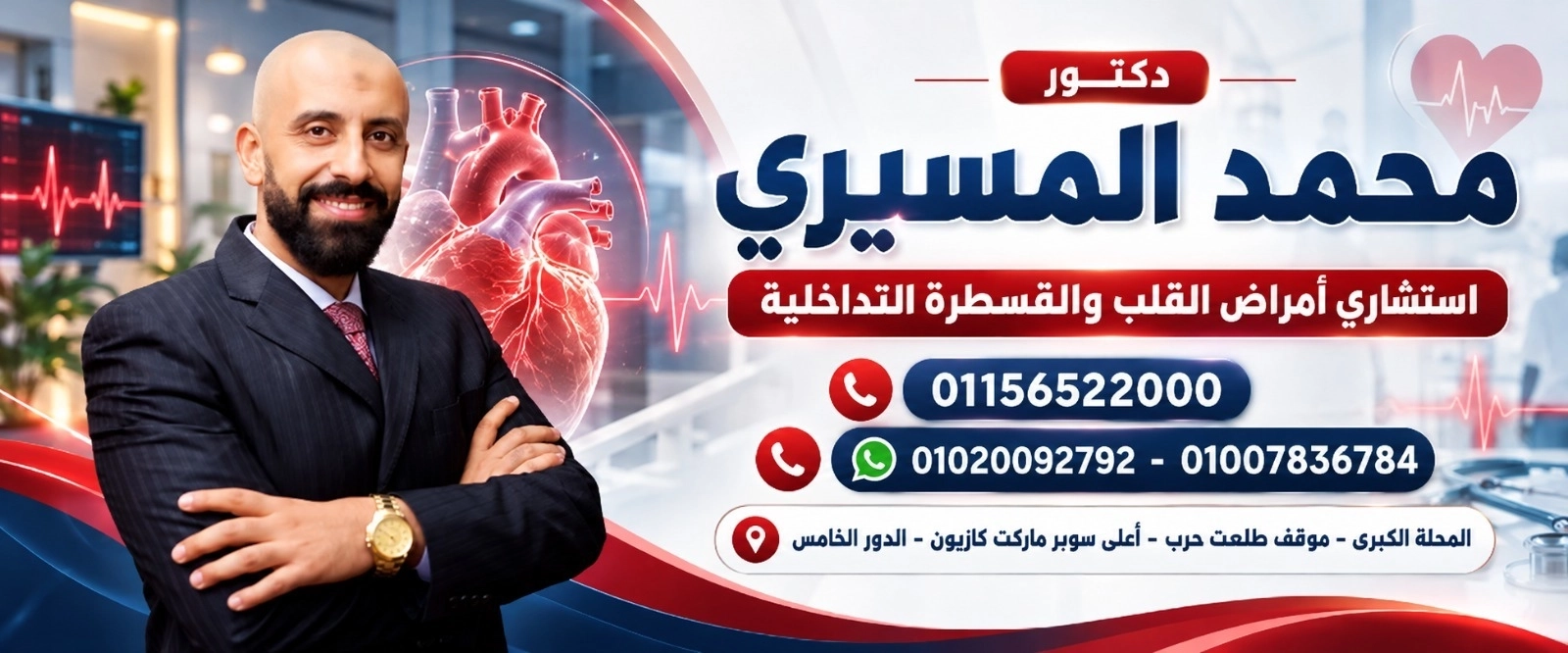
Heart disease and coronary artery disease are health conditions that require special attention, given the heart’s essential role in pumping blood and delivering oxygen to all parts of the body. Dr. Mohamed El Messiry, Consultant in Cardiology and Interventional Cardiology, specializes in the diagnosis and follow-up of heart conditions and the assessment of cases that may require cardiac catheterization, helping determine appropriate options based on medical evaluation.
Cardiology focuses on diagnosing and monitoring conditions that affect the efficiency of the heart muscle, the regularity of the heartbeat, or blood flow through the arteries. Early detection helps identify many problems before they progress, particularly in people with high blood pressure, diabetes, high cholesterol, or a family history of heart disease.
This specialty also involves evaluating symptoms such as chest pain, shortness of breath, palpitations, dizziness, and unusual fatigue, while determining the necessary tests to reach an appropriate diagnosis.
Cardiology covers a wide range of conditions, including:
Coronary artery disease: Narrowing or blockage of the coronary arteries, which may reduce blood flow to the heart muscle.
Angina: Chest pain or pressure that may occur particularly during physical exertion and requires medical evaluation.
Heart failure: A condition in which the heart cannot pump blood efficiently. Symptoms may include shortness of breath, swelling of the feet, and fatigue.
Heart rhythm disorders: Including a rapid heartbeat, a slow heartbeat, or an irregular heart rhythm.
Heart valve diseases: Conditions that may affect blood flow through the heart and require regular monitoring.
High blood pressure: Which can place additional strain on the heart and increase the risk of cardiovascular disease.
Dr. Mohamed El Messiry provides assessment and follow-up for heart conditions, taking into consideration symptoms, medical history, and risk factors to determine the appropriate investigations and medical steps for each patient.
Cardiac catheterization is an important medical procedure used to evaluate certain heart and coronary artery conditions and treat some cases of arterial narrowing or blockage. The need for this procedure is determined by the physician based on symptoms, test results, and the patient’s overall health.
There are two main types of cardiac catheterization:
Diagnostic catheterization: Helps assess the coronary arteries, identify areas of narrowing or blockage, and determine their severity.
Interventional catheterization: May involve widening narrowed arteries using a balloon and placing stents when medically indicated.
The appropriate procedure is selected based on an individual assessment of each case, with the benefits, risks, and available alternatives explained to the patient.
Certain symptoms should never be ignored, including chest pain or pressure, unusual shortness of breath, recurrent palpitations, fainting or severe dizziness, and unexplained fatigue.
In the event of sudden or severe chest pain, especially when accompanied by shortness of breath, sweating, nausea, or pain spreading to the arm or jaw, seek emergency medical assistance immediately rather than waiting for a clinic appointment.
Heart care is not limited to treating diseases after they develop. It also includes prevention and reducing risk factors. Important steps include:
Regularly checking blood pressure and monitoring blood sugar and cholesterol levels.
Following a balanced diet and limiting salt and saturated fats.
Engaging in physical activity appropriate to one’s health condition.
Avoiding smoking and exposure to secondhand smoke.
Maintaining a healthy weight and getting sufficient sleep.
Taking prescribed medications as directed and never changing doses without consulting a physician.
Attending regular medical follow-up, especially for people at increased risk of heart disease.
Following these measures, alongside regular medical supervision, can help reduce risk factors and support long-term heart health.
Regular follow-up helps assess changes in a patient’s condition, review test results, monitor the response to treatment, and determine whether additional investigations or medical interventions are needed. Dr. Mohamed El Messiry, Consultant in Cardiology and Interventional Cardiology, evaluates and monitors patients with heart disease and coronary artery conditions, determining appropriate next steps according to each patient’s needs.
Name: Dr. Mohamed El Messiry
Specialty: Consultant in Cardiology and Interventional Cardiology
Address: El Mahalla El Kubra – Talaat Harb Bus Station – Above Kazyon Supermarket – Fifth Floor.
Appointments and Inquiries: 01156522000
WhatsApp: 01020092792 – 01007836784
Working Hours: Daily except Friday and Saturday, from 4:00 PM to 8:00 PM. On Wednesdays, from 5:00 PM to 8:00 PM.