
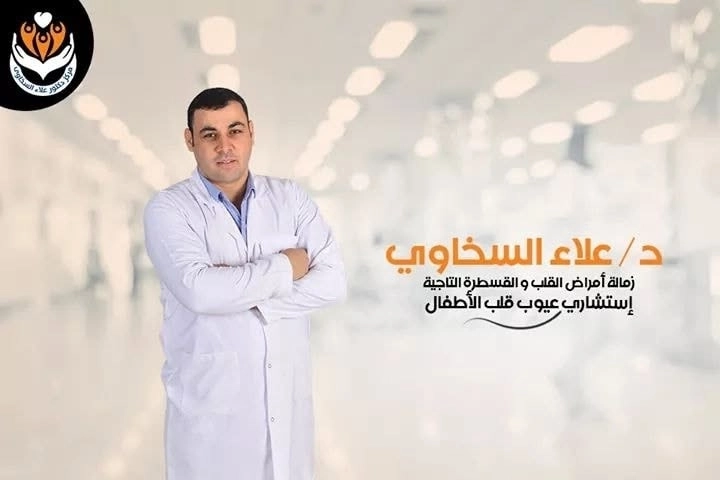
Published on: 2026-10-13 | Written by: Dr Alaa AlSakhawi Pediatric Cardiology Consultant
Pediatric Heart Conditions: Causes, Symptoms, Diagnosis, and Treatment
Pediatric heart conditions require accurate diagnosis and regular monitoring; these include congenital heart defects, heart rhythm disorders, and heart valve problems.
The field of pediatric cardiology focuses on the early detection of these conditions and determining the appropriate treatment based on the child's age and the nature of the problem. This is one of the areas of expertise of Dr. Alaa El-Sakhawy, a consultant in cardiology, cardiac catheterization, and pediatric cardiology.
What are the most common heart conditions in children?
Heart conditions in children vary in their causes and symptoms; the most notable include:
Congenital heart defects: Such as a hole between the heart chambers or the narrowing of certain valves.
Heart rhythm disorders: Including rapid or irregular heartbeats.
Heart valve diseases: Such as valve stenosis (narrowing) or regurgitation (leakage).
Rheumatic heart disease: Can affect heart valves as a result of rheumatic fever.
Weakened heart muscle: A condition that may impair the heart's ability to pump blood efficiently.
Dr. Alaa El-Sakhawy determines the appropriate tests for each case based on symptoms, the child's medical history, and a clinical assessment.
What are the symptoms of heart conditions in children?
Symptoms vary depending on the type and severity of the condition. Signs requiring medical evaluation include:
Rapid breathing or shortness of breath.
Fatigue during play or feeding.
Poor weight gain in infants.
Bluish discoloration of the lips or skin.
Heart palpitations or rapid heartbeat.
Excessive sweating during feeding.
Fainting or dizziness in some cases. These symptoms do not necessarily indicate heart disease, but they warrant a medical consultation to determine the underlying cause. However, if a child turns blue and experiences difficulty breathing or loss of consciousness, urgent medical attention is required.
**How are pediatric heart diseases diagnosed?**
Diagnosis relies on a clinical examination and symptom assessment. The child may require a series of tests, including:
**Electrocardiogram (ECG):** To assess the heart's electrical activity and rhythm.
**Echocardiogram:** Uses ultrasound waves to examine the heart chambers, valves, and blood flow.
**Blood oxygen measurement:** Performed when it is necessary to assess oxygen levels.
**Additional tests:** Conducted based on the specific condition and the results of the initial examination.
The echocardiogram is a crucial test for detecting many congenital heart defects and evaluating the function of the heart muscle and valves.
**Treating pediatric heart disease**
Treatment varies depending on the diagnosis; some mild cases may only require monitoring, while others necessitate medication, therapeutic catheterization, or surgical intervention.
The treatment plan is determined by the nature of the congenital defect and its impact on blood circulation and the child's growth. An evaluation by Dr. Alaa El-Sakhawy—a consultant in cardiology, cardiac catheterization, and pediatric cardiology—helps determine the appropriate tests and treatment options for the specific case. The Importance of Regular Cardiac Follow-ups for Children
Regular follow-ups help monitor a child's growth and heart function, as well as detect any changes requiring medical intervention.
It is also essential to adhere to scheduled appointments and prescribed medications, and to avoid administering heart medication to the child without medical supervision.
Follow-ups are particularly important for children with congenital heart defects or a history of heart issues, even when symptoms appear to have improved.
Summary: Early detection of pediatric heart conditions helps determine the appropriate treatment and minimizes potential complications. Dr. Alaa El-Sakhawy specializes in cardiology, cardiac catheterization, and pediatric cardiology, emphasizing the importance of evaluating each child individually based on their symptoms and test results.
Click here for Dr. Alaa El-Sakhawy’s website.