
Published on: 2026-10-12 | Written by: Dr. Mai Mohamed Abu Zeid Master Degree in Fixed Prosthodontics
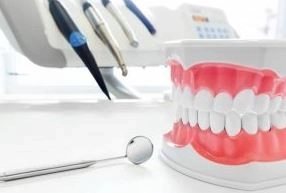
Professional Dental Cleaning Sessions are a cornerstone in preventing oral diseases and maintaining the health of gums and teeth. Although daily brushing and flossing at home are essential, plaque and tartar deposits eventually harden into "calculus" that cannot be removed by ordinary methods. This is where the dental clinic plays its vital role through deep cleaning sessions that restore vitality to the tissues surrounding the teeth, protecting them from inflammation and erosion.
Cleaning sessions involve removing accumulated tartar, polishing tooth surfaces, and cleaning periodontal pockets using precise medical instruments (such as ultrasonic devices).
Dr. May Mohamed Abu Zeid clarifies that the benefits of dental cleaning extend far beyond aesthetic appearance or stain removal; they form the primary line of defense against severe gum disease and the loss of jawbone supporting the teeth.
Removing Deep Tartar Deposits: Eliminating bacteria accumulated above and below the gumline.
Preventing Gum Inflammation and Bleeding: Stopping superficial inflammation from developing into chronic conditions that destroy tissues.
Eliminating Bad Breath: Removing decomposing bacterial causes trapped between the teeth.
Early Detection of Decay: Thoroughly examining tooth surfaces during cleaning to catch cavities in their earliest stages.
The session proceeds through precise, methodical steps that ensure thorough cleaning of the teeth and gums without harming the enamel.
Dr. May Mohamed Abu Zeid points out that utilizing modern ultrasonic scalers makes breaking down and removing tartar quick and painless, relying on a cool water stream to cool the tooth and wash away debris continuously.
Comprehensive Oral and Gum Examination: Evaluating gum health and measuring periodontal pocket depths.
Using Ultrasonic Devices: Gently breaking down and removing hard tartar deposits.
Precise Manual Scaling: Using fine instruments to eliminate minor residual debris in difficult corners.
Polishing: Applying a special paste with a rotary tool to remove stains and smooth tooth surfaces, preventing plaque re-attachment.
Fluoride Treatment (Optional): Applying fluoride gel to strengthen the enamel layer and protect it against sensitivity and decay.
Tartar forms as a result of saliva interacting with food debris and accumulated bacteria, with various factors playing a role in how rapidly it builds up.
Dr. May Mohamed Abu Zeid advises undergoing a professional cleaning session at least once every 6 months, emphasizing that smokers, individuals with fixed prosthetics, or patients suffering from dry mouth require more frequent visits due to the rapid accumulation of deposits.
Neglecting Dental Floss: Leaving food particles between teeth to harden into solid calculus.
Smoking and Tobacco Products: Increasing the rate of tartar formation and stubborn dark staining.
Consuming Pigmented Beverages: Drinking excessive amounts of tea, coffee, and carbonated soft drinks.
Mouth Breathing or Dry Mouth: A reduction in saliva, which naturally plays a role in cleansing teeth and reducing bacteria.
Patients may experience mild temporary sensitivity or slight bleeding immediately following the session, which are normal symptoms that subside quickly.
Dr. May Mohamed Abu Zeid stresses that committing to diligent home care after the session prolongs the cleaning effect and protects the gums from returning to rapid inflammation.
Use a Soft-Bristled Toothbrush: To avoid irritating sensitive gums recovering from tartar removal.
Maintain Regular Dental Floss Use: To prevent new plaque accumulation in interdental spaces.
Use Toothpaste Formulated for Sensitive Teeth: In case of temporary tingling when consuming cold or hot beverages.
Avoid Extremely Acidic or Pigmented Foods: For 24 hours following the session to preserve tooth polish.
Commit to Regular Periodic Visits: Schedule a cleaning session every 6 months consistently.
Brush the Mouth at Least Twice Daily: For two minutes each time using a fluoride-rich toothpaste.
Pay Attention to Gum Symptoms: Monitor any bleeding or swelling and consult the dentist immediately upon their appearance.
Maintain Ongoing Follow-Ups with Your Specialist:
Dr. May Mohamed Abu Zeid emphasizes in her concluding advice that periodic dental cleaning sessions are a simple preventive investment protecting individuals from complex dental problems and expensive treatment costs, ensuring patients enjoy a clean smile, healthy gums, and high self-confidence at all times.