
Published on: 2026-10-12 | Written by: Dr. Mai Mohamed Abu Zeid Master Degree in Fixed Prosthodontics
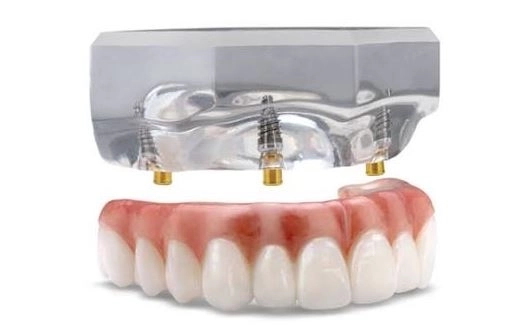
Fixed Dental Prosthetics (Fixed Prosthodontics) represent one of the most vital restorative solutions in dentistry and oral surgery. They aim to restore masticatory efficiency, clear speech, and a bright, aesthetic appearance following tooth loss or severe structural damage. Unlike removable dentures, fixed prosthetics are permanently secured inside the mouth using high-strength medical cements attached to adjacent natural teeth or dental implants, offering complete stability and a feeling identical to natural teeth.
Fixed prosthetics primarily include crowns and bridges. They are custom-engineered to replace a damaged portion of a single tooth or restore one or more missing teeth across vacant spaces.
Dr. May Mohamed Abu Zeid clarifies that the benefits of fixed prosthetics extend far beyond cosmetic improvements. They play a crucial medical role in preventing adjacent teeth from shifting into gaps and distributing chewing forces evenly to protect the jawbones and temporomandibular joints (TMJ).
Restoring Chewing and Digestive Efficiency: Enabling patients to grind food effectively.
Protecting Weakened Teeth: Covering endodontically treated or fractured teeth to prevent total structural failure.
Maintaining Dental Alignment: Preventing the tilting of neighboring teeth or the super-eruption of opposing teeth into empty spaces.
Supporting Phonetics and Pronunciation: Correcting speech defects resulting from the loss of anterior teeth.
The manufacturing of fixed prosthetics has witnessed remarkable advancement due to digital design and manufacturing technologies (CAD/CAM), providing materials characterized by exceptional strength and natural aesthetics.
Dr. May Mohamed Abu Zeid points out that selecting the appropriate material depends on the tooth location (anterior or posterior), the patient's bite force, and aesthetic requirements, emphasizing that modern ceramic and zirconia materials have become the top choice due to their superior biocompatibility with gum tissues.
Full Zirconia Crowns and Bridges: Known for exceptional durability and extreme hardness, making them ideal for posterior teeth.
Lithium Disilicate Glass-Ceramics (E-Max): The premier choice for anterior teeth due to its superior ability to mimic the natural translucency and shade of real teeth.
Porcelain-Fused-to-Metal (PFM): Combines the structural strength of a metal base with an aesthetic porcelain veneer, used selectively to avoid metal margin visibility near the gums.
Implant-Supported Bridges: Replaces missing teeth without requiring the reduction or shaving of adjacent healthy teeth.
Fabricating and placing crowns and bridges involves precise, sequential steps to ensure complete patient comfort and optimal functional alignment.
Dr. May Mohamed Abu Zeid advises the necessity of treating any existing periodontal or root canal infections prior to tooth reduction and preparation, stressing that accurate measurements and engineered tooth preparation are the two primary factors dictating the longevity of the restoration.
Clinical and Radiographic Examination: Evaluating the health of tooth roots and jawbone density using digital X-rays.
Tooth Preparation and Shaving: Removing a thin layer of enamel to create sufficient clearance for precise crown seating.
Digital or Conventional Impressions: Utilizing intraoral digital scanners to obtain highly accurate three-dimensional measurements.
Temporary Crown Placement: Protecting prepared teeth during the laboratory fabrication period of the permanent restoration.
Final Cementation: Testing the fit, occlusion, and shade in the mouth before permanently bonding the restoration with high-grade adhesive.
Fixed prosthetics require tailored maintenance to safeguard surrounding gum health and prevent recurrent decay in underlying tooth structures beneath the crowns.
Dr. May Mohamed Abu Zeid stresses that diligent home care and daily flossing serve as the primary line of defense protecting prosthetics from plaque accumulation and chronic periodontal inflammation.
Use Specialized Dental Floss (Super Floss): Thoroughly clean the undersides of dental bridges and pontics.
Use a Soft-Bristled Toothbrush and Fluoride Toothpaste: Clean surfaces regularly without scratching the ceramic glaze.
Avoid Biting on Extremely Hard Objects: Refrain from chewing ice, hard nuts, or opening packages with teeth to prevent porcelain chipping.
Manage Bruxism (Teeth Grinding): Wear a custom nightguard if suffering from nocturnal clenching or grinding.
Regular Periodic Follow-Ups: Visit the dentist every 6 months to inspect restoration margins and monitor periodontal health.
Maintain Daily Oral Hygiene: Keep the areas surrounding prosthetics free of calculus and plaque deposits.
Consult the Specialist Upon Experiencing Pain or Mobility: Seek prompt medical intervention if discomfort or instability occurs during mastication.
Maintain Ongoing Follow-Ups with Your Specialist:
Dr. May Mohamed Abu Zeid emphasizes in her concluding advice that fixed prosthetics represent a sustainable health and cosmetic investment. Meticulous execution paired with consistent daily care guarantees patients an aligned smile, ideal chewing function, and high-quality oral health for many years to come.