

Published on: 2026-10-12 | Written by: Dr. Mohamed Atef Al-Akl, Consultant General
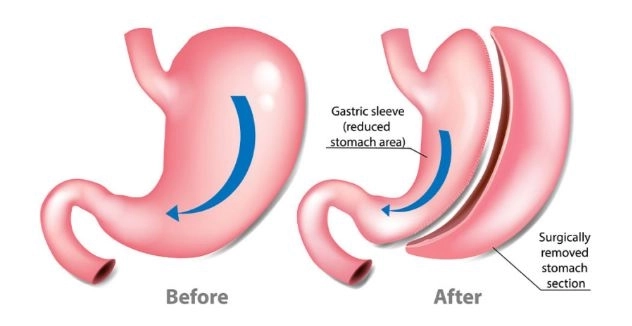
Gastric sleeve surgery is one of the most common bariatric procedures used to help patients lose excess weight and treat severe obesity. The procedure involves surgically reducing the size of the stomach to limit the amount of food a person can eat and promote a longer-lasting feeling of fullness. It is usually performed using laparoscopic surgery through small incisions in the abdomen, which may help reduce postoperative pain and speed up recovery compared with some traditional surgical techniques.
Gastric sleeve surgery is part of a comprehensive obesity treatment plan that includes dietary changes, physical activity, and regular medical follow-up. The decision to undergo this procedure depends on the patient's body mass index (BMI), overall health, obesity-related medical conditions, and assessment by a specialized physician.
What Is Gastric Sleeve Surgery?
Gastric sleeve surgery is a procedure designed to reduce the stomach's capacity by removing a large portion of it, leaving a narrow, tube-shaped stomach that can hold less food. This helps patients feel full after eating smaller meals and contributes to reducing their daily calorie intake.
The procedure also affects certain hormones associated with hunger and appetite. A portion of the stomach that contributes to producing ghrelin, commonly known as the hunger hormone, is removed. This may reduce feelings of hunger in some patients.
Gastric sleeve surgery requires proper preparation before the operation and adherence to medical instructions afterward. Its success depends not only on reducing the stomach's size but also on changing eating habits and maintaining a healthier lifestyle over the long term.
How Does Gastric Sleeve Surgery Help Treat Obesity?
Gastric sleeve surgery helps patients lose weight through several mechanisms, including:
Reducing stomach capacity and the amount of food that can be consumed at one meal.
Increasing the feeling of fullness after eating small portions.
Reducing hunger in some patients due to hormonal changes.
Helping control daily calorie intake.
Improving certain obesity-related health conditions, such as type 2 diabetes, high blood pressure, and obstructive sleep apnea, depending on the patient's condition.
Results vary from person to person and are influenced by the patient's preoperative weight, adherence to dietary recommendations, physical activity, and medical follow-up.
Who Is a Suitable Candidate for Gastric Sleeve Surgery?
Gastric sleeve surgery is not suitable for everyone who is overweight. A comprehensive assessment is necessary to determine whether the procedure is appropriate and to weigh its potential benefits against its risks.
Factors considered by the doctor include:
Body mass index (BMI) and the severity of obesity.
Obesity-related conditions, such as diabetes and high blood pressure.
Previous attempts to lose weight through dietary changes, physical activity, and medical treatment.
Overall health and ability to tolerate anesthesia and surgery.
Psychological readiness and willingness to follow dietary changes after surgery.
Severe gastroesophageal reflux or other conditions that may affect the choice of bariatric procedure.
Eligibility is determined according to established medical guidelines and an individual assessment, rather than body weight alone.
Steps of Laparoscopic Gastric Sleeve Surgery
Gastric sleeve surgery is usually performed laparoscopically and involves several essential stages.
1. Preoperative Tests and Assessment
The patient undergoes a comprehensive medical evaluation, including a review of medical history and current medications, measurement of height and weight, and calculation of BMI. Tests may include blood work, blood glucose assessment, liver and kidney function tests, and vitamin level measurements, along with any additional investigations required by the medical team.
2. Anesthesia and Patient Preparation
The procedure is performed under general anesthesia. The patient is prepared for surgery, and vital signs are monitored throughout the procedure.
3. Performing the Sleeve Gastrectomy
The surgeon makes several small incisions in the abdomen to insert the laparoscope and surgical instruments. A large portion of the stomach is then removed, leaving a smaller, tube-shaped stomach.
4. Checking the Stomach for Safety
The surgical team checks the staple line and confirms the safety of the procedure according to the established surgical protocol. The incisions are then closed.
5. Postoperative Monitoring
The patient begins drinking fluids according to the medical team's instructions and gradually progresses through the subsequent dietary stages, depending on recovery and tolerance.
Benefits of Gastric Sleeve Surgery
Gastric sleeve surgery offers several potential benefits that make it suitable for some patients with obesity, including:
Excess Weight Loss: It can lead to significant weight loss in many patients who follow postoperative instructions.
Reduced Appetite: Hormonal changes after surgery may decrease feelings of hunger.
Improvement in Obesity-Related Conditions: It may improve blood glucose levels and blood pressure and reduce certain complications associated with excess weight.
Laparoscopic Technique: Small incisions can reduce wound size compared with open surgery in suitable cases.
No Intestinal Bypass: Unlike some other bariatric procedures, gastric sleeve surgery does not reroute food through the intestines.
However, the procedure is major surgery with potential benefits and risks. The decision should be made after discussing available treatment alternatives with a specialized physician.
Diet After Gastric Sleeve Surgery
The postoperative diet is one of the most important factors in the success of gastric sleeve surgery and maintaining its results. Patients need to progress gradually through different food stages to reduce the risk of vomiting, dehydration, and food intolerance.
Stage One: Fluids
This stage begins after surgery according to the medical team's instructions. It includes permitted fluids taken in small, frequent amounts, with particular attention to drinking enough water to prevent dehydration.
Stage Two: Liquid and Progressively Thicker Foods
Patients gradually introduce suitable liquid or pureed foods according to their prescribed dietary plan while monitoring their tolerance.
Stage Three: Soft Foods
Soft foods that are easy to chew and digest are gradually introduced in small portions, avoiding eating too quickly.
Stage Four: Regular Foods in Small Portions
Once medically approved, patients can gradually return to regular foods while maintaining small meals, chewing thoroughly, and prioritizing protein according to the dietitian's recommendations.
Important dietary guidelines after gastric sleeve surgery include:
Eating slowly and chewing food thoroughly.
Avoiding overeating.
Prioritizing appropriate sources of protein.
Drinking water regularly between meals according to medical instructions.
Limiting sweetened beverages and high-calorie foods.
Taking prescribed vitamins and nutritional supplements.
Undergoing regular blood tests to detect nutritional deficiencies.
What Results Can Be Expected After Gastric Sleeve Surgery?
Results vary according to several factors, including preoperative weight, age, general health, and adherence to dietary and behavioral changes.
Many patients lose a significant proportion of their excess weight during the first 12 to 18 months after surgery. However, the amount of weight lost varies, and a specific result cannot be guaranteed for every patient.
Patients may gradually notice improvements in mobility and their ability to perform daily activities, along with improvements in certain obesity-related medical conditions. Long-term follow-up is necessary to assess weight, nutritional status, and overall health.
Weight regain is also possible, particularly if unhealthy eating habits return or physical activity decreases. Therefore, ongoing follow-up is an essential part of treatment.
Risks and Complications of Gastric Sleeve Surgery
Like any major surgical procedure, gastric sleeve surgery may be associated with complications. The likelihood of these complications varies according to the patient's health, the surgical team's experience, and other factors.
Potential complications include:
Postoperative bleeding.
Leakage from the stomach staple line.
Infection or blood clots.
Nausea or vomiting, especially when eating too quickly or consuming large portions.
Dehydration due to insufficient fluid intake.
Deficiencies in certain vitamins and minerals.
Development or worsening of gastroesophageal reflux in some patients.
Less weight loss than expected or weight regain over time.
Urgent medical attention is necessary if the patient develops severe or worsening abdominal pain, fever, a rapid heartbeat, shortness of breath, persistent vomiting, or an inability to drink fluids.
Difference Between Gastric Sleeve Surgery and Gastric Bypass
Gastric sleeve surgery and gastric bypass are well-known bariatric procedures, but they work differently within the digestive system.
Gastric Sleeve Surgery:
Reduces stomach size by removing a portion of it.
Does not involve rerouting the intestines.
May not be the most appropriate option for some patients with severe gastroesophageal reflux.
Gastric Bypass Surgery:
Creates a small stomach pouch and changes the route food takes through part of the intestine.
May be suitable for certain patients who need obesity treatment alongside specific medical conditions, including some cases of severe reflux.
Requires particular attention to vitamins, minerals, and long-term nutritional follow-up.
The doctor determines the most appropriate procedure after evaluating BMI, medical history, treatment goals, and the potential risks of each option.
Tips for Maintaining Weight Loss After Gastric Sleeve Surgery
Maintaining the results of gastric sleeve surgery requires lifelong commitment to healthy habits, including:
Eating small, balanced meals.
Meeting the protein intake recommended by the dietitian.
Gradually engaging in physical activity after medical clearance.
Getting sufficient sleep.
Avoiding frequent consumption of high-calorie drinks and sweets.
Monitoring weight regularly without relying solely on daily measurements.
Attending scheduled follow-up appointments with the bariatric surgeon and dietitian.
Undergoing routine tests and taking prescribed nutritional supplements.
These measures help reduce the risk of weight regain and improve overall health after surgery.
The Importance of Medical Follow-Up After Bariatric Surgery
Treatment for obesity does not end when surgery is completed. Instead, an important stage begins that depends on regular medical and nutritional follow-up. This includes assessing the rate of weight loss, monitoring vitamin and mineral levels, and addressing any digestive symptoms or nutritional problems that may arise.
Follow-up also helps adjust the diet and physical activity plan according to the patient's needs and determine appropriate interventions if weight loss stalls or some weight is regained.
Gastric sleeve surgery is an effective treatment for obesity in appropriately selected patients. However, it is not a substitute for maintaining a healthy lifestyle. Rather, it is part of a comprehensive treatment plan aimed at improving weight, health, and quality of life over the long term.
Conclusion
Gastric sleeve surgery is an important surgical option for treating obesity. It helps reduce stomach size, control appetite, and promote excess weight loss, and it may improve several obesity-related health conditions. Successful outcomes depend on selecting suitable candidates, conducting a comprehensive medical assessment before surgery, and adhering to dietary recommendations and regular follow-up afterward.
Anyone considering gastric sleeve surgery is advised to consult a specialized bariatric surgeon to discuss the benefits, risks, and available alternatives and to determine the procedure most appropriate for their health condition and treatment goals.