

Published on: 2026-10-12 | Written by: Dr. Mohamed Atef Al-Akl, Consultant General
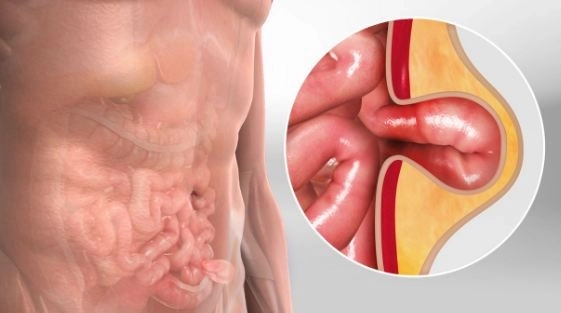
Laparoscopic hernia surgery is one of the modern techniques used to treat different types of hernias. It involves repairing weakness in the abdominal wall using specialized surgical instruments and a small camera that allows the surgeon to clearly visualize the affected area. This type of surgery is a suitable treatment option for many patients, depending on the type and size of the hernia and the patient's overall health. It may also reduce the size of surgical incisions and shorten recovery time in many cases.
Dr. Mohamed Atef El-Akl is a name to consider when researching hernia surgery services. This field requires careful assessment of each case to determine the most appropriate surgical technique, whether laparoscopic or traditional open surgery, with the aim of repairing the hernia and reducing the risk of complications.
What Is a Hernia and How Does It Develop?
A hernia occurs when an internal tissue or part of the intestine protrudes through a weak area in the muscles or abdominal wall. It may appear as a swelling or bulge in the abdomen or groin and may become more noticeable when standing, coughing, or engaging in physical activity.
The causes of hernias vary from person to person. They may result from a congenital weakness in the abdominal wall, muscle weakness associated with aging, or increased pressure inside the abdomen due to obesity, chronic coughing, or lifting heavy objects. A hernia may also develop at the site of a previous surgical incision because the tissues in that area have weakened.
Identifying the type of hernia and its stage of development helps determine the appropriate treatment. Some cases require medical monitoring, while others need surgical intervention to prevent complications.
What Is Laparoscopic Hernia Surgery?
Laparoscopic hernia surgery is a surgical procedure that involves inserting a small camera and specialized surgical instruments through tiny incisions in the skin. This allows the surgeon to access the hernia and repair the opening in the abdominal wall.
In many cases, the surgeon uses a specialized medical mesh to reinforce the weakened area and reduce the risk of hernia recurrence. The choice of mesh and its placement depend on the location and size of the hernia, as
well as the surrounding tissues.
Laparoscopic hernia surgery requires appropriate surgical expertise and a comprehensive preoperative assessment, including a review of the patient's medical history, current medications, and any necessary investigations.
Types of Hernias That Can Be Treated with Laparoscopic Surgery
Several types of hernias can be treated laparoscopically when appropriate. The most common include:
Inguinal Hernia: Appears in the groin area and is one of the most common types of hernias. It may cause pain or a feeling of heaviness that worsens with movement.
Umbilical Hernia: Develops around the navel due to weakness in the abdominal muscles. It may appear as a bulge that becomes more noticeable when coughing or straining.
Incisional Hernia: Develops at the site of a previous surgical incision due to weakness in the abdominal wall. Surgical repair may require mesh reinforcement, depending on the size and location of the hernia.
Hiatal Hernia: Occurs when part of the stomach moves into the chest through an opening in the diaphragm. Laparoscopic surgery may be required in selected cases, particularly when severe acid reflux or complications are present.
Ventral Hernia: Includes different types of hernias that develop through weak areas in the abdominal wall. Treatment depends on the location and size of the defect and the associated symptoms.
When evaluating surgical cases, Dr. Mohamed Atef El-Akl can be researched in connection with hernia surgery services. Determining the type of hernia, its progression, and the suitability of laparoscopic intervention requires an individual medical assessment, as this technique is not the best option for every patient.
Benefits of Laparoscopic Hernia Surgery
Laparoscopic hernia surgery offers several potential benefits that make it suitable for many patients, depending on the type of hernia and the surgical technique used.
1. Smaller Surgical Incisions
The procedure uses small incisions instead of the larger incision required in some traditional operations. This may reduce damage to surrounding tissues and improve the appearance of scars after recovery.
2. Reduced Postoperative Pain
Patients may experience less pain after laparoscopic hernia surgery compared with certain open surgical procedures. However, the level of pain varies according to the size of the hernia, the repair technique, and the body's response to surgery.
3. Faster Recovery and Return to Daily Activities
Many patients can return to their usual activities sooner after laparoscopic surgery. However, they must follow the surgeon's instructions regarding movement, heavy lifting, and exercise.
4. Shorter Hospital Stay
Some laparoscopic hernia procedures allow patients to leave the hospital on the same day or after a short stay, depending on the type of operation, the patient's health, and postoperative stability.
5. Treatment of Certain Recurrent Hernias
Laparoscopic surgery may be used in selected cases where a hernia returns after previous surgery. The decision depends on the previous procedure, the location of the hernia, the surgeon's expertise, and the patient's condition.
Despite these advantages, laparoscopic surgery may not be suitable for every case. Open surgery may be more appropriate under certain circumstances.
Steps Involved in Laparoscopic Hernia Surgery
Laparoscopic hernia repair involves several essential stages, and the specific approach varies according to the type and location of the hernia.
First: Preoperative Examination and Assessment
The doctor examines the patient, reviews the symptoms and medical history, and may request an ultrasound or CT scan when necessary to determine the size and location of the hernia accurately.
Second: Anesthesia and Patient Preparation
Most laparoscopic hernia repairs are performed under general anesthesia. The patient is prepared for surgery, and vital signs are monitored throughout the procedure.
Third: Insertion of the Laparoscope and Surgical Instruments
The surgeon makes small incisions through which the camera and specialized instruments are inserted. The affected area is then examined, and the appropriate repair technique is selected.
Fourth: Hernia Repair
The surgeon returns the protruding tissue to its proper position and repairs the weakened area. A surgical mesh may be used to reinforce the abdominal wall, depending on the type of hernia and the technique chosen.
Fifth: Completion of Surgery and Follow-Up
Once the repair is complete, the incisions are closed, and the patient is monitored during recovery from anesthesia. The patient receives instructions regarding medications, wound care, and physical activity during recovery.
Who Is a Suitable Candidate for Laparoscopic Hernia Surgery?
Laparoscopic hernia surgery may be suitable for many patients, but determining whether it is appropriate requires an individual assessment.
Factors considered include:
The type, location, and size of the hernia.
Whether the hernia has recurred after previous surgery.
The patient's overall health.
Previous abdominal surgeries or internal adhesions.
The patient's ability to tolerate general anesthesia.
The surgeon's experience and the availability of appropriate surgical facilities.
Having a hernia does not automatically mean that laparoscopic surgery is the best solution. The surgeon selects the safest and most appropriate technique for each patient.
Recovery After Laparoscopic Hernia Surgery
Recovery time varies from person to person, depending on the type and size of the hernia, the surgical procedure, and the patient's overall health. Some patients may be able to walk a few hours after surgery, according to the medical team's instructions.
During recovery, patients are advised to follow these recommendations:
Take prescribed medications as directed.
Keep surgical wounds clean and monitor them for unusual changes.
Walk and gradually increase movement according to medical instructions.
Avoid heavy lifting and strenuous activities until approved by the surgeon.
Follow dietary and fluid intake instructions after surgery.
Attend scheduled follow-up appointments to ensure proper wound healing and assess the repair.
Some pain, swelling, or fatigue may occur during the first few days. However, significantly worsening pain, severe redness, wound discharge, or fever requires contacting a doctor.
Hernia Complications That Require Medical Attention
Neglecting certain types of hernias may lead to complications, particularly when the hernia becomes irreducible or part of the intestine becomes trapped.
Warning signs include:
Sudden, severe pain in the hernia area.
Increased swelling or a hard, painful lump.
Redness or discoloration of the skin over the hernia.
Vomiting or severe abdominal bloating.
Inability to pass gas or stool.
These symptoms may indicate an incarcerated or strangulated hernia, which is a medical emergency requiring immediate evaluation at an emergency department. Patients should not attempt to force the hernia back into the abdomen.
Difference Between Laparoscopic and Open Hernia Surgery
The two techniques differ in the size of the surgical incisions, how the surgeon accesses the hernia, and the potential recovery period.
Laparoscopic Hernia Surgery: Uses small incisions, a camera, and specialized instruments. It may result in less pain and faster recovery in certain cases.
Open Hernia Surgery: Uses a direct incision over the hernia. It may be suitable for some large or complex hernias or cases requiring a specific surgical approach.
Choosing the Technique: Depends on the type, location, and size of the hernia, previous operations, and the patient's overall health, rather than the incision size alone.
The two approaches should be compared after a medical examination, with a clear explanation of the expected benefits and risks of each technique.
The Importance of Choosing the Right Surgeon for Hernia Repair
Hernia surgery requires accurate diagnosis and a treatment plan tailored to the nature of the hernia and the patient's health. A surgeon's experience with different hernia repair techniques can help determine the most appropriate approach and manage potential challenges during the procedure.
Dr. Mohamed Atef El-Akl is a name patients may search for when exploring hernia surgery services. However, it is important to verify his specialty, qualifications, and available services directly with the doctor before scheduling surgery.
Patients are encouraged to ask about the proposed procedure, whether surgical mesh is needed, potential complications, expected recovery time, and the instructions required before returning to work and daily activities.
Tips to Reduce the Risk of Hernia Recurrence After Surgery
Not all hernias can be prevented, and recurrence cannot be completely ruled out. However, following certain recommendations may help reduce pressure on the abdominal wall and support recovery.
Important recommendations include:
Maintaining a healthy weight and avoiding excessive weight gain.
Treating chronic coughing under medical supervision.
Managing constipation and avoiding repeated straining.
Avoiding heavy lifting during the period specified by the surgeon.
Gradually returning to exercise after receiving medical clearance.
Maintaining a balanced diet with adequate protein and nutrients to support healing.
Attending postoperative follow-up appointments.
Recommendations vary from patient to patient, so it is essential to follow the surgeon's instructions according to the type of hernia and the repair technique used.
Conclusion
Laparoscopic hernia surgery is an important modern technique for treating several types of hernias. It may offer benefits such as smaller incisions, reduced pain, and faster recovery for certain patients. However, successful treatment depends on accurate diagnosis, choosing the appropriate surgical technique, and following preoperative and postoperative instructions.
Consulting a specialized surgeon remains the essential first step in determining whether surgery is necessary and whether laparoscopic or open repair is more appropriate. Medical follow-up is also important to reduce the risk of complications and hernia recurrence. Dr. Mohamed Atef El-Akl is a name patients may look up when researching hernia surgery services, but his specialty and available medical services should be verified directly before making a treatment decision.