
Published on: 2026-10-08 | Written by: Dr. Nogi Mohamed Hussein, Pediatric Dentist
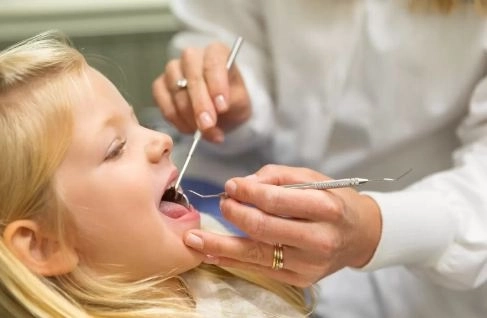
Pediatric dental treatment is one of the most important areas of dentistry, as children’s teeth require special care from the appearance of the first teeth until the permanent teeth fully develop. Pediatric dental treatment is not limited to treating cavities; it also includes preventing various dental problems, treating primary and permanent teeth, maintaining healthy gums and oral health, and monitoring the development of the teeth and jaws.
Early dental care helps reduce the risk of cavities and other dental problems. It also helps maintain primary teeth until they are naturally replaced by permanent teeth.
The Importance of Pediatric Dental Treatment
Primary teeth require care and treatment just like permanent teeth because they play an important role during childhood. They help children chew food and speak properly, and they also help preserve the space needed for permanent teeth to emerge in the correct positions.
Neglecting dental treatment can allow cavities to become more severe, resulting in pain or sensitivity. In some cases, the condition may progress to the tooth’s nerve or cause gum problems.
Therefore, early examination and treatment of dental problems can help preserve the child’s teeth and prevent the need for more complex procedures.
Treating Tooth Decay in Children
Tooth decay is one of the most common dental problems among children. It may begin as a small spot or slight discoloration before developing into a visible cavity.
Treatment depends on the severity of the decay, its location, and the condition of the tooth. In mild cases, treatment may involve cleaning the affected area and placing an appropriate filling, while more advanced cases may require other procedures to preserve the tooth and reduce pain and complications.
It is important not to wait until pain appears before having the child’s teeth examined, as cavities can develop without obvious symptoms during the early stages.
Dental Fillings for Children
Dental fillings are used to treat areas affected by tooth decay after the damaged portion of the tooth has been removed and cleaned. The type of filling is selected according to the location of the tooth, the size of the cavity, and the child’s condition.
Fillings help restore the shape and function of the tooth and prevent the decay from progressing after treatment.
Preventive fillings may also be used to protect certain teeth, especially back teeth that have grooves and pits where food particles and bacteria can accumulate.
Root Canal Treatment for Children
In some cases, tooth decay may reach the inner part of the tooth, causing inflammation or infection of the dental pulp. In these situations, appropriate treatment may be needed to preserve the tooth instead of allowing further damage to occur.
Root canal treatment for primary teeth aims to remove the infected tissue and preserve the tooth in the mouth until it naturally falls out, especially when maintaining the tooth is important for preserving the space needed for the permanent tooth.
The need for this type of treatment is determined after examining the child and assessing the condition of the tooth.
Extraction of Primary Teeth
Extraction of primary teeth is not always the first treatment option, as preserving the natural tooth is preferred whenever possible. However, extraction may become necessary in some cases when the tooth is severely damaged or there is a problem that prevents it from being preserved.
The need for extraction is determined according to the condition of the tooth, the child’s stage of development, and the expected time of eruption of the permanent tooth. In some cases, the child may need a space maintainer after extraction.
Preventive Fillings for Children
Preventive fillings help protect teeth from cavities, especially back teeth with deep grooves and pits. These materials cover areas that are difficult to clean properly, reducing the accumulation of food particles and bacteria.
Preventive fillings may be appropriate for some children who are at higher risk of developing cavities or who have deep grooves in their teeth.
Preventive fillings do not replace daily tooth brushing, but they can be an important part of a child’s preventive dental care plan.
Treatment of Primary Teeth
Maintaining primary teeth is important during childhood, even though they are temporary. Primary teeth help children chew and speak and preserve the appropriate space for permanent teeth.
When primary teeth develop cavities, the appropriate treatment is determined according to the severity of the decay, the child’s age, and the expected time of replacement by permanent teeth.
Treatment may include fillings, root canal treatment, or other procedures depending on the condition.
Treating Children’s Teeth Without Fear
Dealing with a child during a dental visit requires an approach appropriate for the child’s age and personality. Explaining the treatment steps in a simple way can help reduce anxiety and make the child more willing to cooperate.
Regular dental visits from an early age also help children become familiar with the dental clinic environment, which can reduce fear associated with treatment when it becomes necessary.
It is better to avoid using frightening words when talking to children about the dentist and not to associate dental visits with pain or punishment.
The Importance of Regular Dental Checkups for Children
Regular checkups help detect cavities and other dental problems at an early stage. They also allow the dentist to monitor the development of the teeth and jaws and the eruption of permanent teeth.
Regular follow-up can identify certain problems before they cause noticeable symptoms, making them easier to manage and reducing the possibility of requiring complicated treatment.
During regular visits, parents can also receive appropriate advice about brushing techniques, choosing the right toothpaste, and dietary habits that help protect children’s teeth.
Tips for Maintaining Children’s Teeth
There are several daily habits that can help maintain a child’s dental health, including:
Brushing the teeth twice a day.
Using toothpaste appropriate for the child’s age.
Teaching the child the correct way to brush their teeth.
Reducing sweets and foods high in sugar.
Avoiding frequent consumption of sugary drinks.
Encouraging adequate water intake.
Avoiding sharing toothbrushes with others.
Having regular dental examinations.
Treating cavities at an early stage.
Not ignoring tooth pain, sensitivity, or gum swelling.
The Role of Parents in Pediatric Dental Care
Parents play an essential role in maintaining their child’s dental health, especially during the early years when the child may not yet be able to brush their teeth effectively without assistance.
Parents should supervise brushing and encourage the child to maintain good oral hygiene. They should also help establish healthy dietary habits and monitor the amount of sugar the child consumes.
Parents should also pay attention to any unusual signs, such as tooth discoloration, spots or holes, persistent bad breath, pain while eating, or swollen gums.
When Should a Child Visit a Dentist?
Children should have regular dental checkups rather than visiting the dentist only when pain occurs. A dental visit is also recommended when any of the following signs appear:
Tooth pain.
Sensitivity to cold or hot drinks.
White or dark spots on the teeth.
Holes or broken areas in the teeth.
Swollen gums.
Frequent gum bleeding.
Difficulty chewing.
Permanent teeth emerging in an unusual position.
An injury or fracture involving a tooth.
Early intervention helps address the problem before it becomes more serious and supports better dental health.
Pediatric Dental Treatment and Maintaining Permanent Teeth
Taking care of the teeth from childhood helps establish healthy habits that can continue throughout the child’s different stages of development. Maintaining and treating primary teeth when necessary also helps provide a suitable environment for permanent teeth to emerge.
Pediatric dental treatment combines prevention, treatment, and regular follow-up, from protecting the teeth against cavities to managing various dental and gum problems.
In conclusion, pediatric dental treatment is not limited to treating pain or cavities after they occur. It depends on prevention, early detection, daily care, and regular follow-up. Taking care of a child’s teeth from the time they first appear helps maintain oral and dental health and reduces problems that may affect the child during different stages of growth.
Frequently Asked Questions About Pediatric Dental Treatment
Do Primary Teeth Need Treatment?
Yes. Primary teeth need treatment when they develop cavities or other dental problems because they help children chew and speak and preserve the space needed for permanent teeth.
When Does a Child Need a Dental Filling?
A child may need a filling when there is a cavity that can be treated by removing the affected portion and cleaning the tooth before placing the appropriate filling.
Can Children’s Teeth Be Protected From Cavities?
The risk of cavities can be reduced through regular brushing, limiting sugar intake, having regular dental checkups, and using preventive procedures appropriate for the child’s dental condition.
Is Root Canal Treatment Suitable for Children?
Root canal treatment can be performed on primary teeth when decay or infection reaches the inner part of the tooth. The goal is to preserve the tooth until it is naturally replaced.
Does Extracting a Primary Tooth Affect Permanent Teeth?
This depends on the reason for extraction, the child’s age, and the stage of dental development. In some cases, a space maintainer may be needed to preserve the space left by the extracted tooth until the permanent tooth erupts.
How Can a Child’s Fear of the Dentist Be Reduced?
Regular dental visits from an early age, speaking to the child in a simple and positive way, and avoiding frightening the child about the dentist or treatment can help reduce anxiety and improve cooperation during visits.
Why Are Regular Dental Checkups Important for Children?
Regular checkups help detect cavities and other dental problems early, monitor the development of the teeth and jaws, and maintain the health of both primary and permanent teeth.