

Published on: 2026-10-06 | Written by: Professor Dr. Kamel Hamida, Professor of Internal Medicine
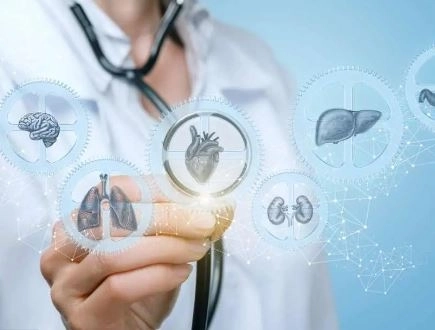
Chronic Internal Diseases represent one of the greatest challenges facing the global healthcare system because they are long-term conditions that develop gradually, persist over extended periods, and directly affect the functional performance of vital internal organs such as the digestive tract, liver, kidneys, respiratory system, and heart. Managing these diseases goes beyond merely alleviating visible symptoms; it relies on comprehensive and continuous medical management aimed at slowing disease progression, preventing severe complications, and improving the patient's physical and psychological quality of life.
Chronic internal diseases are defined as non-communicable health disorders that are difficult to cure completely with a single course of treatment. However, their levels and effects can be fully managed through regular medical follow-ups and adherence to targeted treatment protocols.
Dr. Kamel Hameida clarifies that successful management of chronic internal diseases requires shifting from the concept of "temporary treatment" to "sustainable healthcare." Regular screening and periodic monitoring of internal organs contribute to the early detection of tissue deterioration, allowing for control before permanent tissue damage occurs.
Protecting Vital Organ Function: Reducing cumulative stress on the liver, kidneys, and heart.
Preventing Acute Complications: Maintaining the stability of vital signs, such as blood glucose levels and arterial blood pressure.
Improving Quality of Life: Enabling patients to perform daily activities efficiently with minimal pain or fatigue.
Reducing Hospital Admissions: Decreasing the need for emergency room visits and intensive care through continuous treatment optimization.
Numerous chronic disorders affect abdominal and internal organs, arising from a combination of genetic factors, lifestyle, and environmental influences.
Dr. Kamel Hameida points out that type 2 diabetes, chronic hypertension, and fatty liver disorders are among the most common and interconnected internal conditions, emphasizing that the presence of one chronic disease increases the likelihood of affecting other internal organs if not managed precisely.
Gastrointestinal and Colonic Diseases: Irritable Bowel Syndrome (IBS), Inflammatory Bowel Diseases (IBD such as Ulcerative Colitis and Crohn's disease), and chronic peptic ulcer disease.
Liver and Gallbladder Disorders: Non-Alcoholic Fatty Liver Disease (NAFLD), chronic viral hepatitis, and early liver cirrhosis.
Kidney and Urinary Tract Diseases: Chronic Kidney Disease (CKD), recurrent kidney stones, and chronic pyelonephritis.
Metabolic and Endocrine Disorders: Diabetes Mellitus (Type 1 and Type 2), insulin resistance, and thyroid gland disorders.
Internal Respiratory and Cardiovascular Conditions: Chronic bronchial asthma, Chronic Obstructive Pulmonary Disease (COPD), and atherosclerosis.
Internal medicine has witnessed significant progress in the precision of targeted therapies and specialized protocols tailored to each patient based on thorough diagnostic testing.
Dr. Kamel Hameida advises the importance of relying on "personalized medicine" when managing chronic internal cases, explaining that the body's response to medications varies from one patient to another based on liver and kidney function, as well as genetic and metabolic profiles.
Biologic and Immunomodulatory Medications: For treating inflammatory bowel diseases and intractable chronic inflammation.
Modern Metabolic Agents and Solvents: To protect the liver, reduce fat deposition, and decrease insulin resistance.
Antioxidants and Nephroprotective Agents: To slow the decline of renal filtration in diabetic and hypertensive patients.
Precise Hormone Replacement Therapies: To regulate glandular and metabolic disorders.
Diagnostic and Therapeutic Endoscopic Techniques: To monitor histopathological changes in the digestive tract with high precision.
Home care and daily lifestyle habits complement pharmacological treatment to achieve complete health stability.
Dr. Kamel Hameida stresses that dietary modifications and balanced physical activity are no less important than medical drugs; rather, they form the foundation upon which any successful treatment plan for chronic internal diseases is built.
Tailored Therapeutic Nutrition: Following an appropriate diet tailored to the disease (such as sodium restriction for kidney and hypertension patients, and limiting sugars for diabetic patients).
Adequate Hydration: Drinking sufficient water to protect the kidneys, aid digestion, and facilitate toxin excretion.
Complete Avoidance of Smoking and Harmful Beverages: To protect the mucous membranes of the digestive tract, respiratory system, and blood vessels.
Avoiding Unsupervised Use of Painkillers: To safeguard the stomach lining and prevent drug-induced renal failure.
Stress Management and Deep Breathing: To minimize Irritable Bowel Syndrome flare-ups and reduce stress hormone levels.
Regular Laboratory Examinations: Conducting liver function tests, kidney function tests, HbA1c, and complete blood counts (CBC) every 3 to 6 months.
Routine Clinical Monitoring: Regularly tracking blood pressure and weight, logging readings in a dedicated journal.
Watching for Warning Signs: Consulting a physician immediately upon the onset of new symptoms, such as skin paleness, peripheral swelling, or sudden severe pain.
Maintain Ongoing Follow-Ups with Your Specialist:
Dr. Kamel Hameida emphasizes in his concluding advice that living with a chronic internal condition is not an obstacle to leading an active, normal life. Informed awareness of the disease, strict adherence to medical guidance, and routine follow-ups ensure full protection and sustainable health.