

Published on: 2026-10-06 | Written by: Professor Dr. Kamel Hamida, Professor of Internal Medicine
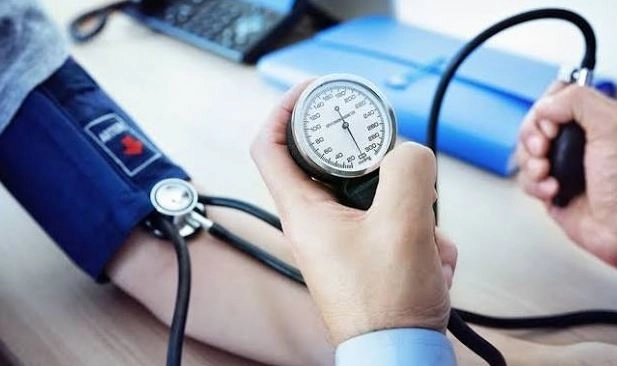
Hypertension (High Blood Pressure) is considered one of the most prevalent chronic conditions worldwide. It is often called the "silent killer" because it typically develops without obvious symptoms until it causes severe health complications affecting the heart, blood vessels, and kidneys. Hypertension management encompasses an integrated framework combining fundamental lifestyle modifications, targeted pharmacological therapy, and regular medical follow-ups to maintain blood pressure within safe, normal ranges.
Blood pressure is defined as the force exerted by circulating blood against the walls of the arteries during cardiac contraction and relaxation. This force is measured using two readings: systolic pressure (the top number) and diastolic pressure (the bottom number).
Dr. Kamel Hameida clarifies that the primary goal of hypertension treatment is not merely to lower the numbers on a monitor, but to protect "target organs"—such as the brain, heart, and kidneys—from cumulative damage caused by persistent intra-arterial pressure.
Normal Level: Less than 120/80 mmHg.
Prehypertension (Elevated): 120–129 / less than 80 mmHg.
Stage 1 Hypertension: 130–139 / 80–89 mmHg.
Stage 2 Hypertension: 140 or higher / 90 or higher mmHg.
Hypertensive Crisis: Higher than 180/120 mmHg (requires immediate emergency medical intervention).
Hypertension is divided into two primary categories based on the underlying etiology of the condition.
Dr. Kamel Hameida points out that distinguishing between primary and secondary hypertension represents the crucial first step in defining the treatment strategy, as managing secondary hypertension relies on treating the underlying medical condition to restore blood pressure to normal levels.
Primary (Essential) Hypertension: The most common form (accounting for 90–95% of cases), developing gradually over years without a single identifiable medical cause. Genetics and environmental factors play a major role.
Secondary Hypertension: Appears suddenly and results from an underlying primary condition, such as:
Renal diseases and parenchymal damage.
Endocrine disorders (such as hyperthyroidism or adrenal gland dysfunction).
Obstructive Sleep Apnea (OSA).
Use of certain medications, such as NSAIDs and hormonal contraceptives.
Various drug classes are used to lower blood pressure. Selecting the appropriate therapy depends on the patient's overall health and the presence of comorbid conditions, such as diabetes mellitus or kidney disease.
Dr. Kamel Hameida advises that patients must never discontinue or adjust antihypertensive dosages independently once readings normalize, emphasizing that modifications must occur strictly under the supervision of the attending physician to prevent sudden rebound hypertension.
Angiotensin-Converting Enzyme (ACE) Inhibitors: Relax blood vessels and protect renal function.
Angiotensin II Receptor Blockers (ARBs): Prevent arterial constriction and serve as an effective alternative to ACE inhibitors.
Calcium Channel Blockers (CCBs): Reduce the force of contraction in vascular smooth muscle and the heart.
Diuretics: Help the kidneys eliminate excess sodium and water, reducing intravascular volume.
Beta-Blockers: Reduce the workload on the heart and slow the heart rate in specific clinical scenarios.
Lifestyle modification is indispensable for every patient, whether managed with medications or in the early stages of elevated blood pressure.
Dr. Kamel Hameida stresses that adhering to a low-sodium diet and engaging in regular exercise can lower blood pressure by an amount comparable to a single antihypertensive medication, significantly enhancing the body's response to treatment.
Follow the DASH Diet: Focus on vegetables, fruits, whole grains, and low-fat dairy products.
Restrict Sodium Intake: Reduce salt consumption to less than 2,300 mg per day (approximately one teaspoon).
Engage in Regular Physical Activity: Perform aerobic exercises, such as brisk walking, for 30 minutes daily, 5 days a week.
Weight Management and Obesity Reduction: Losing excess weight directly contributes to lowering arterial pressure.
Complete Smoking Cessation and Alcohol Avoidance: Protect arterial walls from stiffness and endothelial damage.
Stress Management: Practice deep breathing and relaxation techniques to limit the release of stress hormones.
Regular Home Monitoring: Log blood pressure readings at consistent times and record them for physician review.
Routine Medical Examinations: Schedule annual evaluations of kidney function, electrocardiograms (ECG), and lipid profiles.
Watch for Warning Signs: Seek immediate care if experiencing chest pain, shortness of breath, or severe headaches unresponsive to analgesics.
Maintain Ongoing Follow-Ups with Your Specialist:
Dr. Kamel Hameida emphasizes in his concluding advice that controlling hypertension is a continuous journey of awareness and commitment. Successful disease management stems from the harmony between precise pharmacological therapy and a healthy lifestyle, ensuring patients enjoy a vibrant life with full cardiovascular protection.