
Published on: 2026-10-06 | Written by: Dr. Tamer Abdel Dayem, Prof of Obstetrics
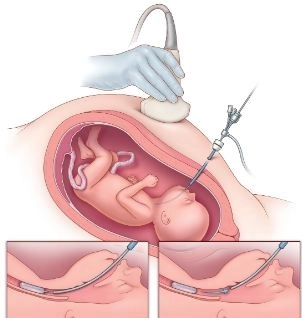
Fetal Medicine and Surgical Endoscopy
Fetal medicine and surgical endoscopy are important specialties in obstetrics and gynecology. Fetal medicine helps monitor the fetus’s growth and detect some health problems during pregnancy, while surgical endoscopy contributes to diagnosing and treating many gynecological conditions through advanced surgical techniques.
What Is Fetal Medicine?
Fetal medicine is a specialty within obstetrics and gynecology that focuses on monitoring the fetus’s health during pregnancy, from the early stages until near delivery. It relies on a range of medical examinations and ultrasound imaging to monitor fetal growth and assess the pregnancy.
Fetal medicine follow-up helps evaluate the development of the fetus’s organs, monitor growth rate, and examine certain indicators that may be associated with conditions requiring specialized follow-up during pregnancy.
The Importance of Fetal Medicine Follow-Up During Pregnancy
Regular medical follow-up helps detect certain changes that may occur during pregnancy at an early stage and allows the doctor to continuously monitor fetal development.
The main goals of fetal medicine follow-up include:
Monitoring fetal growth and size according to the gestational age.
Examining the fetal organs and monitoring their development.
Checking the health of the fetus throughout the different stages of pregnancy.
Using ultrasound to assess the pregnancy.
Monitoring cases that require special care during pregnancy.
Determining the appropriate examinations for each stage of pregnancy.
Ultrasound in Fetal Medicine
Ultrasound is one of the most important methods used in fetal medicine and pregnancy follow-up. It allows the doctor to obtain images that help assess fetal growth and monitor the fetus’s condition inside the uterus.
Four-dimensional 4D imaging techniques may also be used in some cases to obtain more detailed images of fetal movement and some facial features, according to the doctor’s assessment and the stage of pregnancy.
What Is Surgical Endoscopy?
Surgical endoscopy is a surgical technique used to diagnose and treat a number of gynecological conditions through small incisions instead of traditional surgery in some suitable cases.
Surgical endoscopy allows access to the targeted areas using precise surgical instruments and a camera that helps the medical team view the area being treated during the procedure.
The Use of Surgical Endoscopy in Gynecology
Surgical endoscopy may be used to manage a number of gynecological conditions. The doctor determines whether endoscopy is appropriate based on the diagnosis, medical examinations, and the patient’s health condition.
Conditions that may be managed using surgical endoscopy include:
Some cases of ovarian cysts.
Some problems related to the uterus and ovaries.
Adhesions in the pelvic area.
Some cases of endometriosis.
Some problems that may affect fertility.
Certain diagnostic and therapeutic procedures related to the female reproductive system.
The Difference Between Surgical Endoscopy and Traditional Surgery
Surgical endoscopy differs from traditional surgery in the way the targeted area is accessed. Endoscopy uses small incisions, precise instruments, and a camera, while traditional surgery relies on a larger surgical incision depending on the type of operation.
The appropriate technique is selected according to the type of condition, the location of the problem, the patient’s health condition, and the doctor’s assessment of the most appropriate medical solution.
Fetal Medicine and Surgical Endoscopy and Their Relation to Delayed Conception
Delayed conception may be associated in some cases with problems affecting the uterus, ovaries, or fallopian tubes. Therefore, fertility evaluation may require a number of medical examinations.
In some cases, surgical endoscopy can help diagnose or treat certain problems that affect the chances of pregnancy, while fetal medicine follow-up in later stages helps monitor the pregnancy and fetal growth after conception occurs.
When Does a Pregnant Woman Need Specialized Fetal Medicine Follow-Up?
The need for follow-up varies from one woman to another. Some cases may require more detailed monitoring based on the medical history, examination results, or pregnancy development.
It is important to attend regular follow-up appointments and undergo the examinations recommended by the doctor according to the gestational age and the health condition of both the mother and fetus.
The Importance of Medical Follow-Up During Pregnancy
Regular pregnancy follow-up helps provide a clear picture of pregnancy development and allows the appropriate examinations to be performed at different stages.
Medical follow-up includes assessing the mother’s health, monitoring fetal growth, performing ultrasound and necessary examinations, and determining any additional steps when needed.
Fetal Medicine and Modern Technologies
The development of imaging technologies and medical examinations has improved the ability to monitor pregnancy and assess fetal growth more accurately. The required examinations vary from one case to another and are determined according to the gestational age and the needs of the mother and fetus.
Technologies such as four-dimensional 4D ultrasound provide additional imaging options for monitoring cases that require them.
The Importance of Choosing a Specialized Doctor
Fetal medicine and surgical endoscopy require experience in obstetrics and gynecology and in dealing with modern medical technologies, along with the ability to evaluate the condition and select the appropriate examinations and procedures.
The quality of medical follow-up also depends on accurate diagnosis, adherence to appointments, and performing the required examinations at the appropriate time.
Frequently Asked Questions About Fetal Medicine and Surgical Endoscopy
Is fetal medicine limited to cases with pregnancy problems?
No. Fetal medicine follow-up can be part of routine pregnancy care, while the level of monitoring and required examinations varies according to the condition of the mother and fetus and the gestational age.
Does every gynecological case require surgical endoscopy?
No. Surgical endoscopy is not suitable for every condition. The doctor determines whether it is needed after evaluating the symptoms, examinations, and diagnosis.
Can surgical endoscopy be used to treat fertility problems?
In some cases, surgical endoscopy can be used to diagnose or treat certain problems that may affect fertility. This depends on the cause of delayed conception and the patient’s condition.
What is the importance of ultrasound in fetal medicine?
Ultrasound helps monitor fetal growth, assess some of the fetus’s organs and development, and monitor the pregnancy according to its stage.
What does 4D ultrasound mean?
It is a four-dimensional imaging technique that can provide more detailed images of fetal movement and some facial features. The doctor determines whether it is needed according to the condition.
Conclusion
Fetal medicine and surgical endoscopy represent an important part of modern developments in obstetrics and gynecology. Fetal medicine techniques help monitor pregnancy and fetal growth, while surgical endoscopy provides advanced methods for diagnosing and treating a number of gynecological conditions.
Regular medical follow-up, accurate diagnosis, and selecting the appropriate examinations and procedures remain among the most important factors in providing medical care that meets the needs of each individual case.