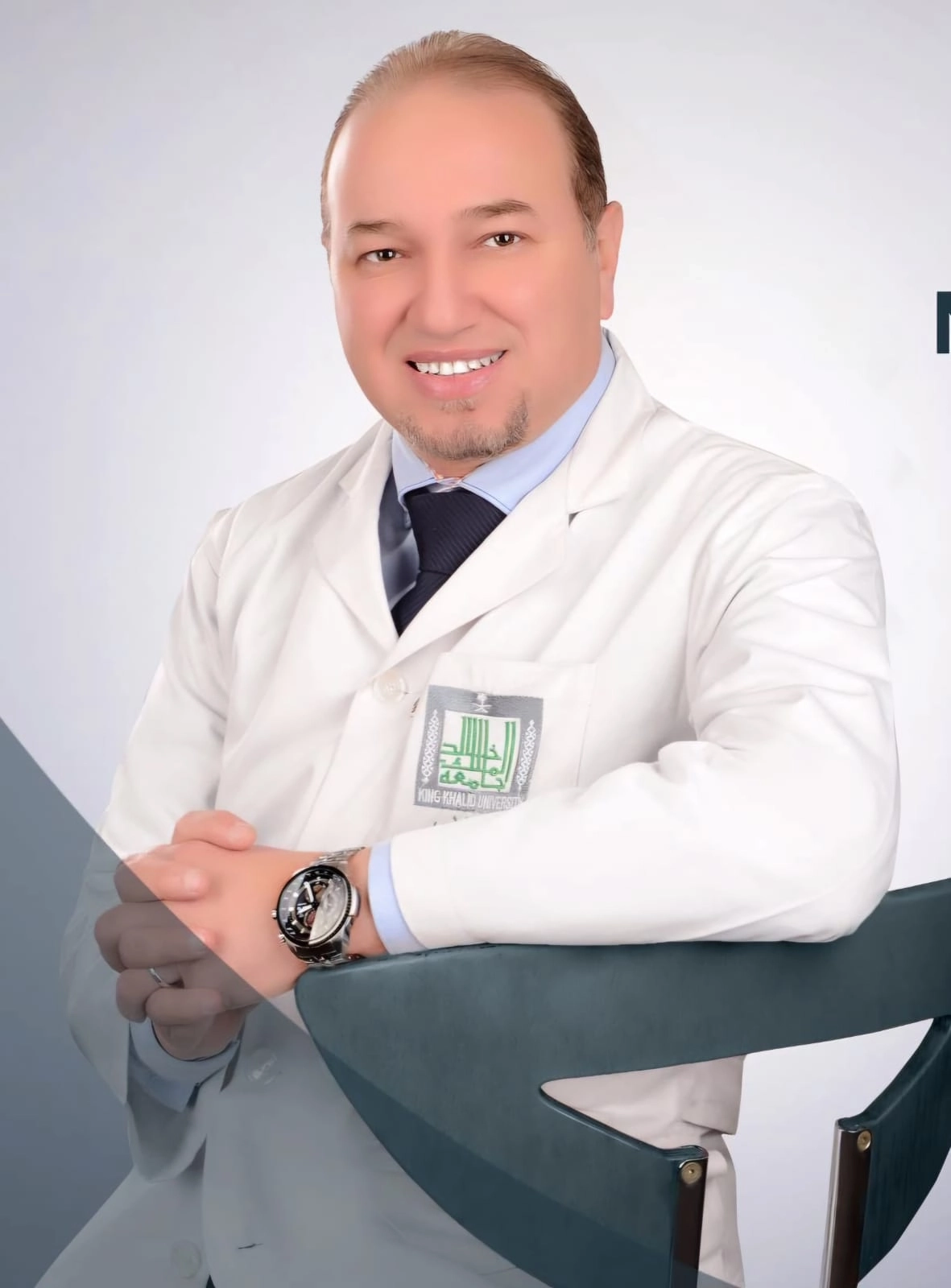

Published on: 2026-10-06 | Written by: Dr. Tamer Abdel Dayem, Prof of Obstetrics
Intracytoplasmic Sperm Injection (ICSI) is one of the most important assisted reproductive techniques used to treat certain cases of infertility. It aims to increase the chances of fertilization by directly injecting a single sperm into an egg. This technique can help address certain problems that may prevent natural conception or reduce the chances of successful fertilization.
Dr. Tamer Mamdouh Abdel Dayem provides specialized services in obstetrics, gynecology, and reproductive medicine, with a focus on evaluating the health condition of both partners and determining the appropriate medical procedures for each case.
What Is ICSI?
ICSI is an assisted reproductive technique in which a suitable sperm is selected and directly injected into an egg using highly precise techniques in a specialized laboratory. After fertilization occurs and an embryo develops, its growth is monitored before it is transferred into the woman's uterus according to the treatment plan.
ICSI differs from conventional in-vitro fertilization (IVF) in the way fertilization takes place. In ICSI, the sperm is directly injected into the egg, while conventional IVF involves placing the sperm and eggs together in a suitable laboratory environment to allow fertilization to occur.
When Is ICSI Recommended?
ICSI may be suitable for certain cases of infertility, especially when factors affect the ability of sperm to reach the egg or complete fertilization. Situations in which ICSI may be considered include:
Low sperm count.
Poor sperm motility.
Abnormal sperm morphology.
Difficulty achieving fertilization through conventional methods.
Some cases of unexplained infertility.
Certain cases where previous assisted reproductive techniques were unsuccessful.
Cases requiring sperm obtained through a medical procedure.
The doctor determines whether ICSI is appropriate after reviewing the medical history and conducting the necessary examinations for both partners.
Steps of the ICSI Procedure
The ICSI procedure consists of several consecutive stages, and the timing of each stage depends on the body's response to medications and the results of medical monitoring.
1. Ovarian Stimulation
The process usually begins with medications that stimulate the ovaries to produce an appropriate number of eggs. The response of the ovaries is monitored through medical examinations and ultrasound.
2. Monitoring Egg Development
Monitoring is performed during the stimulation period to ensure proper growth of the follicles containing the eggs and to determine the appropriate time for the next steps.
3. Egg Retrieval
Once the eggs reach an appropriate stage of maturity, egg retrieval is performed using a suitable medical procedure. The eggs are then sent to the embryology laboratory for fertilization.
4. Sperm Preparation
A sperm sample is obtained and prepared in the laboratory. Suitable sperm are then selected for the ICSI procedure.
5. Injecting the Sperm into the Egg
Highly precise instruments are used to inject a single sperm directly into the egg in order to achieve fertilization.
6. Embryo Monitoring
After fertilization, cell division and embryo development are monitored in the laboratory according to established medical standards.
7. Embryo Transfer
After selecting the appropriate embryo or embryos for transfer according to the treatment plan, they are transferred into the uterus using a specialized medical procedure.
Tests Required Before ICSI
Before starting an ICSI program, the health condition of both partners needs to be evaluated. The required tests may include:
Hormone tests for the woman.
Ultrasound examination of the ovaries and uterus.
Semen analysis.
Assessment of ovarian reserve when necessary.
Additional tests according to the medical history.
Evaluation of the uterus and fallopian tubes when required.
A comprehensive medical evaluation helps determine the appropriate treatment protocol and identify the steps needed for the fertilization process.
Difference Between ICSI and IVF
ICSI and IVF are both assisted reproductive techniques, but they differ in how fertilization occurs.
In conventional IVF, eggs and sperm are placed together in a laboratory and fertilization is allowed to occur naturally. In ICSI, a single sperm is directly injected into the egg using highly precise instruments.
The appropriate technique is selected based on several factors, including the condition of both partners, previous test results, and the quality of the sperm and eggs.
Is ICSI Suitable for All Cases of Infertility?
There is no single technique that is suitable for every case. Therefore, couples need a medical evaluation before making a decision. In some cases, treating the underlying cause of infertility or using another assisted reproductive technique may be more appropriate.
The treatment plan depends on factors such as the woman's age, ovarian reserve, egg quality, semen analysis, previous pregnancy attempts, and the presence of other health conditions that may affect the chances of conception.
Factors Affecting ICSI Success
The chances of ICSI success are affected by several factors, including:
The woman's age.
Egg quality.
Sperm quality.
Embryo quality.
Ovarian reserve.
The condition of the uterus and uterine lining.
Certain diseases or health conditions.
The number of previous fertility treatment attempts.
Response to ovarian stimulation medications.
Therefore, a guaranteed outcome cannot be determined before the couple's condition is fully evaluated.
The Role of Medical Monitoring During ICSI
Regular medical monitoring is one of the most important stages of an ICSI program. It helps monitor the ovaries' response to medications, determine the appropriate time for egg retrieval, and follow the different stages of the procedure until embryo transfer.
Dr. Tamer Mamdouh Abdel Dayem provides services in reproductive medicine and ICSI, in addition to specializing in fetal medicine and laparoscopic surgery, allowing for specialized evaluation of cases requiring comprehensive fertility and pregnancy care.
ICSI and Pregnancy
After the embryo is transferred into the uterus, the waiting period begins until a pregnancy test is performed at the time determined by the doctor. During this period, medical instructions and prescribed medications should be followed according to the individual case.
If pregnancy occurs, medical follow-up continues to ensure that the pregnancy is developing normally. Ultrasound may be used to monitor the pregnancy and evaluate fetal growth at different stages.
The Importance of Choosing a Specialized Doctor
Assisted reproductive techniques require accurate evaluation and continuous medical monitoring before, during, and after the procedure. Therefore, it is important to choose a doctor specialized in obstetrics, gynecology, and reproductive medicine, undergo the appropriate examinations, and follow a treatment plan tailored to the individual case.
Dr. Tamer Mamdouh Abdel Dayem provides specialized obstetrics, gynecology, and reproductive medicine services, including ICSI, fetal medicine, and laparoscopic surgery, along with ultrasound examinations and 4D ultrasound as part of pregnancy and fertility care.
Dr. Tamer Mamdouh Abdel Dayem for ICSI
Dr. Tamer Mamdouh Abdel Dayem provides obstetrics, gynecology, and reproductive medicine services and specializes in ICSI, fetal medicine, and laparoscopic surgery, with ultrasound and 4D ultrasound technology available as part of the medical services provided for patients.
Dr. Tamer Mamdouh Abdel Dayem's clinic is located at Raml Station, 8 Faculty of Medicine Street, Medical Tower, 4th Floor, Alexandria. The clinic is open daily from 1 PM to 5 PM, except Thursday and Friday.