
Published on: 2026-10-04 | Written by: Dr. Mustafa Salah Al-Baha, Physical Therapy
The Mulligan Concept represents one of the most advanced and influential specialized schools in manual therapy and physical rehabilitation for joints and the spine. Developed by the renowned physical therapist Brian Mulligan, this concept is founded on an innovative philosophy that combines manual joint mobilization with simultaneous active movement performed without any pain. This approach has revolutionized the treatment of musculoskeletal disorders due to its rapid results and seamless restoration of natural range of motion.
The Mulligan Concept focuses on treating what is known as a "positional fault"—a minor mechanical misalignment of joint surfaces often caused by injury, repetitive strain, or muscle tightness, which leads to pain and restricted movement.
Dr. Mostafa Salah Al-Baha clarifies that the core idea behind the Mulligan Concept relies on applying "Mobilization With Movement" (MWM). In this approach, the manual therapist uses hands-on force to adjust joint alignment into a natural direction while instructing the patient to perform the movement that previously caused pain. Consequently, pain is immediately relieved, and natural range of motion is restored freely.
Immediate Pain Relief During Movement: Restoring joint function without causing any discomfort or pain to the patient during the session.
Correcting Precise Joint Alignment: Adjusting the mechanical positioning of joint surfaces back to their proper anatomical alignment.
Expanding Joint Range of Motion (ROM): Unlocking stiff joints and overcoming functional movement restrictions.
Reducing Reliance on Pain Medications: Providing a safe and effective hands-on solution that minimizes the patient's need for analgesic drugs.
Re-activating Neuromuscular Memory: Retraining the nervous system to adopt correct, pain-free movement patterns.
Mulligan techniques target a broad spectrum of orthopedic and joint conditions affecting both the peripheral limbs and the spine.
Dr. Mostafa Salah Al-Baha points out that applying Mulligan techniques offers remarkable solutions and immediate outcomes for patients with joint stiffness and spinal pain, provided a thorough biomechanical evaluation is conducted to rule out surgical contraindications and confirm suitability.
Spinal Pain and Disorders: Mild or recurrent herniated discs, cervical spine movement restrictions, and lower back pain.
Shoulder Stiffness and Impingement: Frozen shoulder syndrome, tendinopathy, and joint impingement.
Knee Strains and Stiffness: Restricted flexion or extension following ACL reconstruction or post-traumatic stiffness.
Ankle Sprains and Mobility Issues: Chronic ankle sprains and restricted foot dorsiflexion/plantarflexion after cast immobilization.
Elbow and Wrist Pain: Conditions such as tennis elbow (lateral epicondylitis) and wrist joint dysfunction.
Mulligan tools and modalities vary based on the treated anatomical region and the nature of the structural impairment.
Dr. Mostafa Salah Al-Baha advises adhering to the golden rule of the Mulligan Concept, summarized by the acronym "PILL" (Pain-free, Immediate result, Long-Lasting). He emphasizes that the occurrence of any pain during application indicates an incorrect direction or the need to adjust the angle of manual glide.
Mobilization With Movement (MWM): Applying manual glides to peripheral joints while the patient actively performs the restricted movement.
Sustained Natural Apophyseal Glides (SNAGS): Applying sustained manual glides to spinal facets while the patient performs active spinal motion.
Natural Apophyseal Glides (NAGS): Performing passive, rhythmic oscillatory glides on cervical and upper thoracic facets at rest to reduce pain.
Utilization of Specialized Mulligan Belts: Providing balanced manual traction and stabilization for large joints such as the hip and knee.
This global school of manual therapy possesses unique features that make it a preferred choice for physical therapists and patients alike.
Dr. Mostafa Salah Al-Baha stresses that relying on active patient participation during manual mobilization breaks the psychological fear of movement (kinesiophobia), instilling immediate confidence in the joint's capacity to heal.
High Medical Safety: Does not rely on high-velocity thrusts, violent force, or sudden joint cracking.
Immediate Measurable Results: Success is evaluated instantly within the session through increased range of motion and pain resolution.
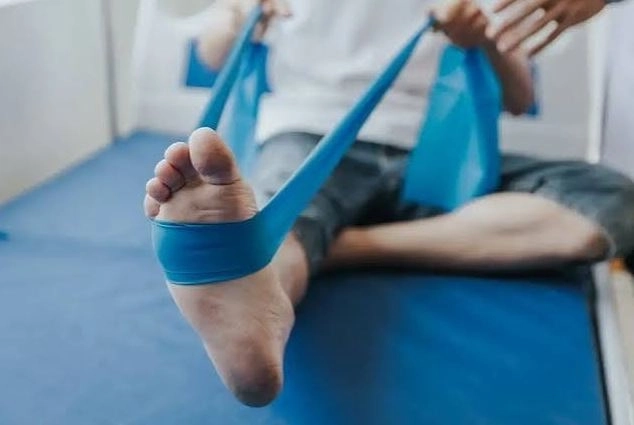
Sustainable Outcomes: Patients are taught self-treatment home exercises using specialized straps or belts following the same concept (Self-SNAGS).
Suitable for All Age Groups: Can be safely applied to elderly individuals, athletes, and pediatric patients.
Accurate Differential Diagnosis: Conducting thorough movement evaluations to rule out fractures, tumors, or severe acute disc herniations.
Adherence to Prescribed Home Exercises: Performing self-MWM exercises to maintain proper joint alignment between clinical sessions.
Avoiding Errant Postural Strain: Correcting workplace ergonomics, sitting, and standing postures to protect joint integrity.
Maintain Regular Follow-Ups with a Certified Practitioner:
Dr. Mostafa Salah Al-Baha emphasizes in his concluding advice that manual therapy using global Mulligan techniques represents a refined science and art in restoring pain-free movement. Choosing a certified, highly skilled practitioner is the true guarantee for restoring joint health and returning to daily life with full activity and vitality.