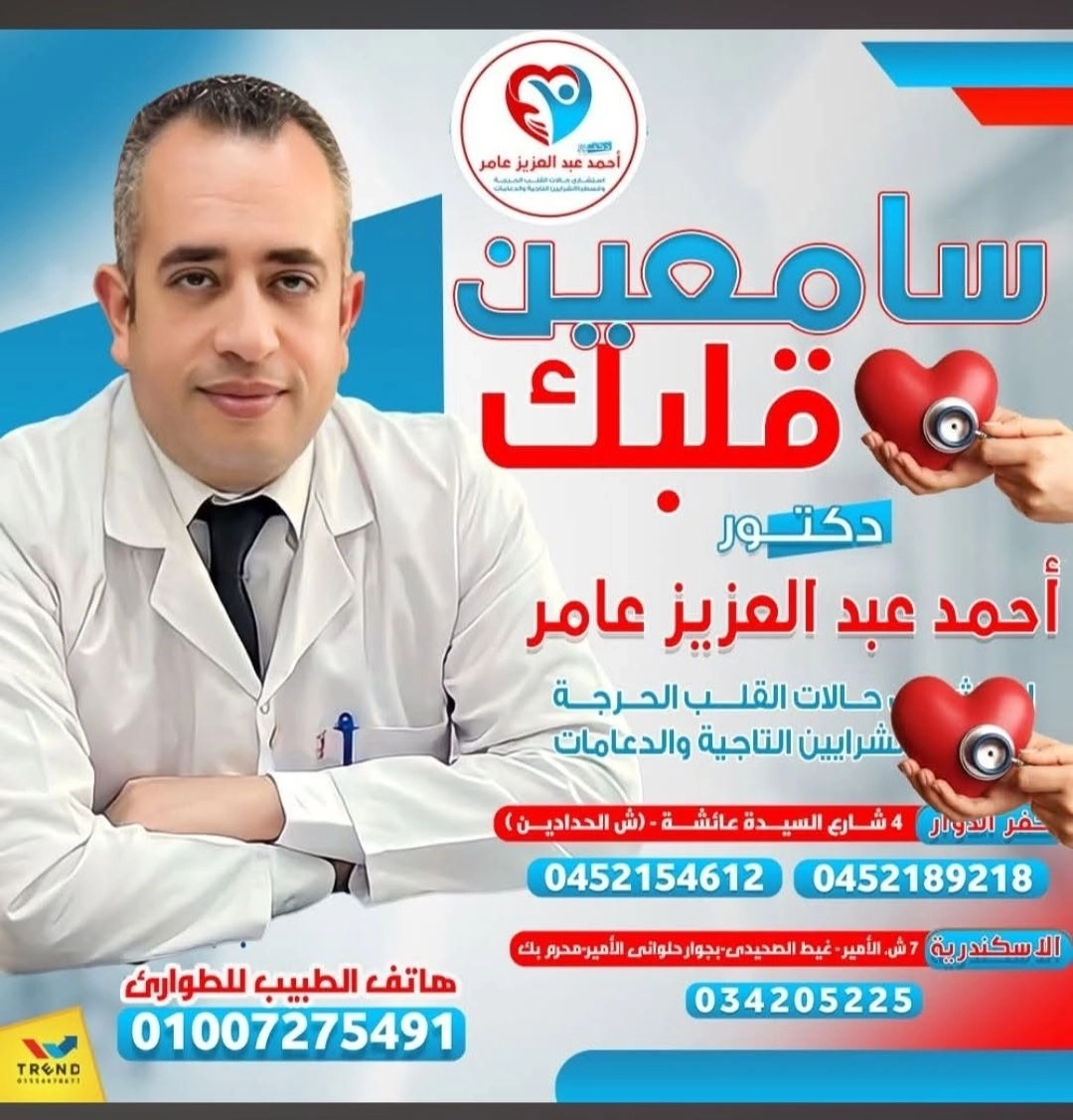

Published on: 2026-10-01 | Written by: Dr. Ahmed Abdel-Aziz Amer, Consultant Cardiologist
Heart disease is the leading cause of death globally, encompassing a wide range of conditions that affect the structure and functions of the heart. These conditions include coronary artery disease, heart valve disorders, cardiomyopathy, and heart rhythm disturbances (arrhythmias). Direct awareness of symptoms and early diagnosis play a vital role in protecting the cardiac muscle and avoiding severe complications.
Heart disease is not limited to a single condition; rather, it affects different parts of the cardiovascular system based on underlying causes.
Dr. Ahmed Abdel Aziz Amer clarifies that heart disease varies in severity from mild cases that can be managed with pharmacological adjustments and lifestyle modifications, to acute conditions such as myocardial infarctions and chronic heart failure that require urgent medical intervention or catheterization to preserve the patient's life.
Coronary Artery Disease and Insufficiency: Narrowing of the blood vessels supplying the heart due to atherosclerosis and fatty plaque accumulation.
Cardiomyopathy: A decline in the heart muscle's ability to pump blood efficiently throughout the body.
Heart Valve Diseases: Presence of stenosis (narrowing) or regurgitation (leakage) in the heart valves (such as the mitral or aortic valves).
Arrhythmias: Palpitations or abnormal heartbeats that accelerate or decelerate beyond normal rates.
Infective Heart Conditions: Inflammation of the inner lining of the heart or the surrounding sac (pericardium) due to viral or bacterial infections.
Symptoms of heart disease vary depending on the underlying condition, but there are common warning signs that should never be ignored.
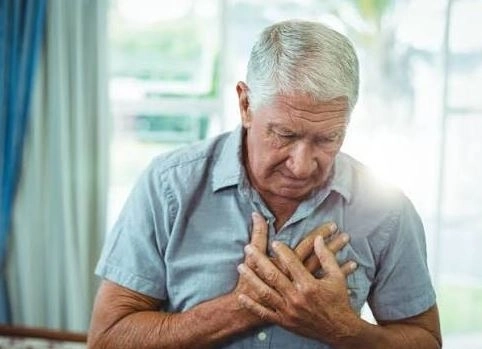
Dr. Ahmed Abdel Aziz Amer points out that oppressive, persistent chest pain—especially when accompanied by shortness of breath and cold sweats—is a critical indicator requiring immediate emergency cardiac evaluation to rule out acute coronary occlusion.
Feeling Pain or Pressure in the Chest: Sometimes radiating to the left arm, shoulder, neck, or jaw.
Severe Shortness of Breath (Dyspnea): Especially during minor physical exertion or while lying flat.
Swelling and Edema: Fluid accumulation in the legs, feet, or ankles due to impaired blood pumping.
Palpitations and Irregular Heartbeats: Sudden acceleration of heartbeats at rest.
Persistent Fatigue and Dizziness: Feeling general weakness and skin paleness, with the potential for fainting.
Accurate medical evaluation of cardiac patients requires advanced diagnostic tools to evaluate the function of the heart muscle, arteries, and valves.
Dr. Ahmed Abdel Aziz Amer advises on the importance of routine screening for high-risk individuals, explaining that cardiac ultrasound imaging (echocardiography) and interventional diagnostic tools like cardiac catheterization allow for precise visualization of tissue and determination of the most appropriate treatment plan.
Electrocardiogram (ECG): Records electrical activity and identifies rhythm disturbances or ischemic changes.
Echocardiogram: Assesses heart muscle efficiency and the functional integrity of valve opening and closure.
Stress Test (Exercise ECG): Measures cardiac performance under physical exertion to identify arterial narrowing.
Cardiac CT and MRI: Provide high-resolution imaging of cardiac tissues and coronary arteries.
Diagnostic Coronary Catheterization: Pinpoints exact locations of blockage within the coronary arteries.
Therapeutic options vary to include medications, interventional catheterization procedures, or reconstructive surgeries depending on the severity of the condition.
Dr. Ahmed Abdel Aziz Amer stresses that modern management of heart disease has advanced significantly thanks to interventional catheterization techniques and drug-eluting stents, which open blocked arteries and allow a large percentage of patients to avoid complex surgeries.
Pharmacotherapy: Utilizing antihypertensives, cholesterol-lowering medications (statins), blood thinners, and heart failure medications.
Interventional Catheterization and Stenting: Dilating narrowed arteries using specialized balloons and deploying drug-eluting stents.
Pacemaker Implantation: Treating severe bradycardia (slow heart rate).
Cardiac Surgery and Reconstruction: Coronary Artery Bypass Grafting (CABG) and repair or replacement of damaged heart valves.
Complete and Final Cessation of Smoking: To prevent vascular wall damage and blood clot formation.
Adopt a Heart-Healthy Balanced Diet: Reduce sodium and saturated fats while increasing consumption of vegetables and fish.
Engage in Regular Moderate Exercise: Such as walking for 30 minutes daily to stimulate circulation and strengthen the heart muscle.
Strict Control of Chronic Conditions: Consistently manage blood glucose, blood pressure, and cholesterol levels.
Maintain Regular Follow-Ups with a Specialist:
Dr. Ahmed Abdel Aziz Amer emphasizes in his concluding advice that heart health is the primary engine of life, and that early awareness, commitment to a healthy lifestyle, and regular medical follow-ups represent the first line of defense in preventing cardiac events and enjoying a vibrant, safe life.