
Published on: 2026-10-01 | Written by: Dr. Ahmed Abdel-Aziz Amer, Consultant Cardiologist
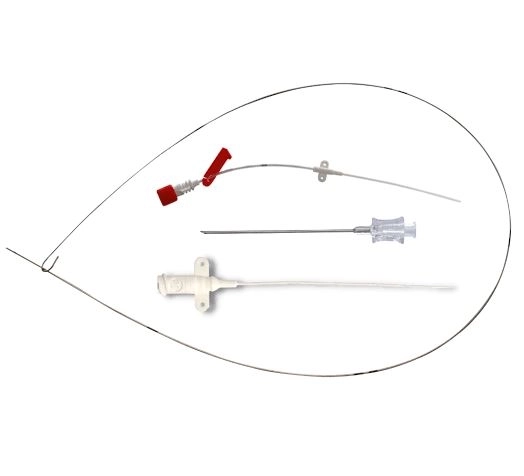
Arterial catheterization is considered one of the most significant medical breakthroughs and innovations in interventional cardiology and vascular medicine. It enables physicians to diagnose and treat complex arterial blockages without resorting to major open bypass surgeries. This advanced technique relies on inserting a thin, flexible tube (catheter) through a blood vessel to precisely reach the affected artery, reopening it using modern balloons and stents.
Arterial catheterization is primarily divided into two complementary types based on the medical objective: diagnostic catheterization and interventional (therapeutic) catheterization.
Dr. Ahmed Abdel Aziz Amer clarifies that arterial catheterization is the most precise method and the gold standard for evaluating arterial efficiency and pinpointing sites of narrowing. He notes that transitioning from traditional femoral catheterization to transradial catheterization (via the wrist artery) has provided greater safety and enhanced patient comfort post-procedure.
Diagnostic Catheterization: Aims to visualize arteries in real-time using radiographic contrast dye to determine the exact percentage and location of narrowing or occlusion.
Interventional Catheterization: Involves reopening blocked arteries using balloon angioplasty and placing drug-eluting stents to prevent restenosis.
Coronary Catheterization: Dedicated to assessing and treating the heart's coronary arteries directly.
Peripheral Catheterization: Used to treat arterial blockages in the legs, feet, or kidneys.
Arterial catheterization is performed when symptoms of impaired blood supply appear or during emergency situations involving blood clots.
Dr. Ahmed Abdel Aziz Amer points out that performing interventional catheterization promptly within the initial hours of a heart attack or acute peripheral arterial occlusion saves cardiac muscle and peripheral tissue from permanent damage, effectively restoring normal blood flow.
Unstable Angina and Chest Pain: Feeling heaviness or pressure in the center of the chest during exertion or at rest.
Acute Myocardial Infarction (Heart Attack): A sudden, complete blockage of a coronary artery.
Poor Peripheral Circulation: Complaints of leg cramping while walking (intermittent claudication) or cold, pale lower extremities.
Abnormal Stress Test Results: Presence of ischemic signs on non-invasive diagnostic tests.
Arterial catheterization is a minimally invasive procedure performed under local anesthesia, typically taking between 30 to 60 minutes.
Dr. Ahmed Abdel Aziz Amer advises patients not to feel anxious about the procedure, emphasizing that utilizing advanced smart Drug-Eluting Stents (DES) and intra-vascular imaging tools such as Intravascular Ultrasound (IVUS) ensures precise vessel opening while minimizing complications.
Local Anesthesia: Numbing the entry site in the wrist (radial artery) or groin (femoral artery).
Catheter Insertion: Guiding the flexible catheter through the arterial network to the target site under fluoroscopic X-ray guidance.
Dye Injection and Angiography: Observing blood flow dynamics and identifying exact blockage points.
Balloon Dilation and Stenting: If an obstruction is found, a specialized balloon is inflated, followed by the deployment of a mesh stent to keep the artery propped open.
Catheter Removal and Closure: Sealing the puncture site using vascular closure devices or manual compression to prevent bleeding.
The recovery phase following arterial catheterization is generally smooth, with most patients discharged on the same day or the following morning.
Dr. Ahmed Abdel Aziz Amer stresses that adherence to antiplatelet medications (blood thinners) following stent placement is the cornerstone of preventing stent thrombosis and ensuring long-term procedural success.
Drink Plenty of Fluids: Assisting the kidneys in flushing out the contrast dye efficiently.
Avoid Strenuous Physical Exertion: Refraining from heavy lifting for several days to protect the access site and treated artery.
Care for the Puncture Site: Keeping the access point clean and monitoring it to prevent hematomas or swelling.
Strict Adherence to Medication Dosages: Never discontinuing blood thinners without consulting your attending physician.
Complete and Permanent Cessation of Smoking: To prevent vascular wall damage and recurrent fatty plaque buildup.
Strict Control of Diabetes, Blood Pressure, and Cholesterol: Regularly monitoring key clinical metrics to protect the body's remaining blood vessels.
Adopt a Balanced, Heart-Healthy Diet: Significantly reducing saturated fats and sodium while prioritizing vegetables and soluble fiber.
Maintain Regular Follow-Ups with a Specialist:
Dr. Ahmed Abdel Aziz Amer emphasizes in his concluding advice that arterial catheterization marks the beginning of a healthier lifestyle journey. Patient commitment to lifestyle modifications and regular follow-ups ensures a vibrant, active life free from cardiovascular complications.