
Published on: 2026-10-01 | Written by: Taiba Center for Physical Therapy and Rehabilitation
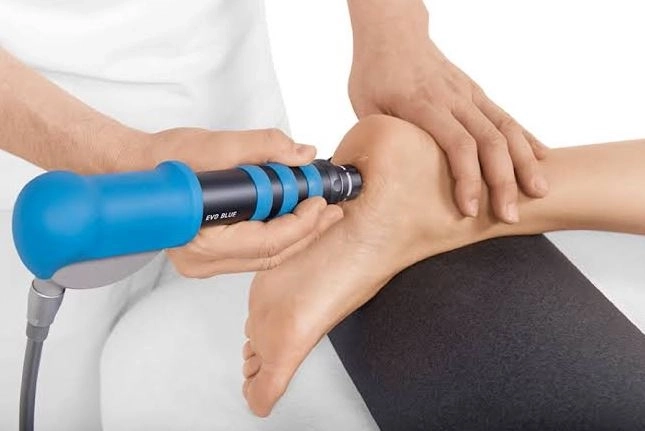
Extracorporeal Shock Wave Therapy (ESWT) using Shock Waves devices is considered one of the latest and most prominent non-surgical solutions approved in physical therapy, orthopedics, and sports rehabilitation. This advanced technology relies on directing high-energy, high-frequency sound waves into damaged or calcified tissues, offering an effective and rapid solution to relieve chronic pain and accelerate tissue healing without the need for surgical interventions or long-term pain medications.
The shock wave device generates intense acoustic energy pulses that travel through the skin to reach the targeted depth within affected tendons, muscles, and ligaments.
Dr. Mina Samir clarifies that the fundamental mechanism of the Shock Waves device relies on inducing controlled micro-trauma in chronic, non-healing tissues. These micro-shocks stimulate the body to restart its natural healing process by increasing blood flow, activating collagen production, and breaking down calcified deposits.
Neovascularization: Forming new micro-vessels that carry oxygen and nutrients to damaged tissues.
Breakdown of Bone Spurs and Deposits: Fragmenting calcified deposits accumulated in tendons and joints so the body can absorb them gradually.
Immediate Pain Relief: Inhibiting pain-transmitting C-fibers and lowering the concentration of Substance P (a pain-mediating chemical).
Collagen Fiber Remodeling: Stimulating the production of collagen required to repair damaged tendons and ligaments.
Shock wave sessions serve as an ideal option for conditions that have not responded to conventional treatments such as medications and prolonged rest.
Dr. Mina Samir points out that the Shock Waves device has revolutionized the management of chronic inflammation—particularly heel spurs (plantar fasciitis) and calcific shoulder tendinitis—achieving high success rates while sparing patients the risks of surgery or repeated cortisone injections.
Heel Spurs and Plantar Fasciitis: Eliminating sharp heel pain experienced upon waking up.
Calcific Shoulder Tendinitis: Breaking down calcifications and restoring full joint range of motion.
Tennis and Golfer's Elbow: Treating chronic tendinitis of the forearm and elbow.
Achilles Tendinopathy: Accelerating the healing of the Achilles tendon in athletes and older adults.
Jumper's Knee (Patellar Tendinitis): Treating knee tendon inflammation resulting from jumping and overuse.
Myofascial Pain Syndrome and Trigger Points: Releasing painful muscle knots in the neck and back.
Shock Waves sessions are safe, quick in-clinic procedures requiring no anesthesia or downtime from daily activities.
Dr. Mina Samir advises patients to adhere to the specified number of sessions in their treatment program (typically ranging between 3 to 6 weekly sessions), emphasizing that each session takes only 10 to 15 minutes, with noticeable, progressive improvement starting from the initial visits.
Identifying the Pain Point: Precisely locating the affected points and tissues through clinical examination.
Applying Medical Gel: Applying a water-based gel to the skin to facilitate effective acoustic wave transmission without energy loss.
Applying the Therapy Handpiece: Moving the applicator head over the affected area, adjusting energy density and pulse frequency based on patient tolerance and injury type.
Resuming Daily Activities: Patients can return to daily routine immediately following the session while avoiding heavy athletic exertion for a few days.
Despite the high safety profile of this technology, certain conditions require thorough evaluation prior to starting treatment.
Dr. Mina Samir stresses the importance of a comprehensive medical evaluation before undergoing Shock Waves sessions, noting the necessity of avoiding anti-inflammatory medications (such as ibuprofen) during the treatment period, as they can blunt the beneficial inflammatory response triggered by the device to heal tissues.
Coagulation Disorders: Or taking high doses of blood thinners.
Malignant Tumors: In or near the treatment site.
Pregnancy: Avoiding application near the abdomen, pelvis, or lower back.
Open Wounds or Bacterial Skin Infections: At the site of application.
Presence of Metal Implants or Pacemakers: Directly in the path of the shock waves.
Avoid Applying Ice Packs Immediately After the Session: To allow the stimulated blood circulation to work effectively within the tissue.
Commit to Relative Rest and Avoid Overexertion: Giving tissues adequate time to repair and rebuild between sessions.
Perform Recommended Stretching Exercises: To enhance the flexibility of treated tendons and muscles.
Maintain Regular Follow-Ups with a Physical Therapy Specialist:
Dr. Mina Samir emphasizes in his concluding advice that Shock Waves technology represents a safe, transformative bridge for patients moving from chronic pain to an active, pain-free life, and that adhering to medical instructions guarantees long-term results and full functional recovery of the affected joint or muscle.