
Published on: 2026-10-01 | Written by: Taiba Center for Physical Therapy and Rehabilitation
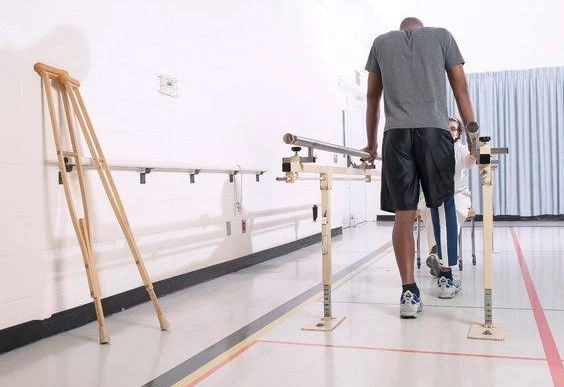
Sports injuries are among the most common challenges faced by athletes at all levels, whether professional or amateur. The treatment of a sports injury is not limited to the surgical intervention stage or immediate immobilization alone; real success and the prevention of future relapses depend on step-by-step, comprehensive physical rehabilitation programs, which aim to restore muscle strength, joint range of motion, balance, and the athlete's full physical fitness.
Sports injuries vary depending on the type of sport and the nature of sudden movements, ranging from muscle tears and ligament ruptures (such as the anterior cruciate ligament) to joint sprains and cartilage injuries.
Dr. Mina Samir clarifies that sports injury rehabilitation programs do not merely aim to mask pain or heal damaged tissues; rather, they fundamentally rely on restoring full motor function to the injured limb and retraining the neuromuscular system to regain coordination and balance to prevent injury recurrence upon returning to the field.
Restoring Full Joint Range of Motion: Preventing joint stiffness and surrounding tissue adhesions.
Rebuilding Muscle Strength and Endurance: Addressing muscle atrophy resulting from periods of rest or casting.
Restoring Proprioception: Training joints and muscles to accurately sense body positioning during rapid movement.
Psychological and Physical Preparation for Return to Sport: Rebuilding self-confidence and reducing the fear of re-injury (kinesiophobia).
Medical rehabilitation follows precise, phased protocols that vary according to the type and nature of the injury.
Dr. Mina Samir points out that a successful rehabilitation program must progress through scientific therapeutic stages based on continuous periodic evaluation, noting that transitioning to high-intensity exercises is prohibited until tissue readiness and complete healing are verified to avoid immediate relapses.
Stage One (Pain and Swelling Management): Utilizing physical therapy modalities, ice, and compression to protect injured tissue and limit swelling.
Stage Two (Restoring Range of Motion and Initiating Light Exercises): Stretching exercises and non-weight-bearing joint mobilization to stimulate blood circulation.
Stage Three (Muscle Strengthening and Balance): Utilizing resistance bands, progressive weights, and balance boards to develop joint stability.
Stage Four (Sport-Specific Functional Rehabilitation): Implementing sport-specific movements such as directional cutting, jumping, and sudden deceleration.
Stage Five (Readiness Testing and Return to Sport): Conducting comprehensive evaluations to verify that the strength of the injured limb is at least 90% equal to that of the uninjured side.
The field of physical therapy and sports rehabilitation has witnessed massive advancements in therapeutic devices and modalities that accelerate tissue healing.
Dr. Mina Samir advises leveraging modern technologies such as shockwave therapy and electrical muscle stimulation techniques, emphasizing that combining modern modalities with targeted therapeutic exercises shortens recovery time and maintains muscle efficiency during activity downtime.
Extracorporeal Shockwave Therapy (ESWT): Stimulating the healing of chronic tendons and tissues and breaking down calcifications.
Blood Flow Restriction (BFR) Training: Building muscle strength using very light weights without overloading injured joints.
Kinesiology Taping (Kinesio Taping): Supporting joints and muscles, relieving tissue pressure, and improving lymphatic circulation.
Hydrotherapy: Reducing weight load on joints and facilitating movement underwater during initial stages.
Prevention is an integral part of sports rehabilitation philosophy to ensure the athlete's sustained peak performance.
Dr. Mina Samir stresses that most re-injury cases occur due to an emotional or premature return to the field before completing the rehabilitation program, emphasizing that adhering to daily warmup and cooldown protocols serves as the first line of defense to protect the athlete.
Proper Warmup Prior to Sports Activity: Preparing muscles and ligaments and increasing blood flow before intense exercise.
Post-Exercise Stretching and Cooldown: Maintaining muscle flexibility and reducing lactic acid buildup that causes fatigue.
Proper Nutrition and Hydration: Replenishing fluids and proteins to rebuild stressed muscle fibers.
Adequate Sleep and Regular Rest: Granting the body the opportunity to rebuild tissue during deep sleep.
Avoid Rushing the Return: Adhere strictly to the timeline established by the rehabilitation specialist.
Listen to Your Body: Stop immediately upon feeling abnormal pain during or after exertion.
Commit to Home-Based Preventive Exercises: Maintain core muscle strength and joint stability.
Maintain Specialized Follow-Up with a Rehabilitation Specialist:
Dr. Mina Samir emphasizes in his concluding advice that an injury is not the end of the road for an athlete. Strict, scientific rehabilitation provides the player with an opportunity to return to the field stronger and performing better than before the injury, with full long-term protection for their joints and muscles.