
Published on: 2026-10-01 | Written by: Dr. Sherif El-Madani, Lecturer of Plastic
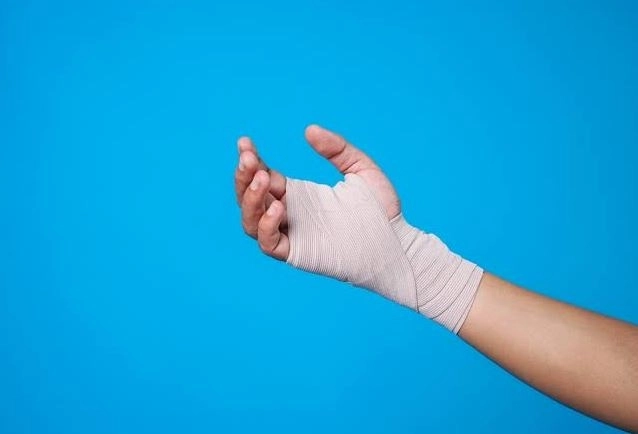
Hand surgery is one of the most intricate and complex subspecialties in plastic, reconstructive, and orthopedic surgery. The hand is not merely a motor organ; it is our primary tool for interacting with the world, containing a highly complex network of nerves, tendons, blood vessels, ligaments, and interconnected joints. Modern hand surgery aims to restore both the natural aesthetic appearance of the hand and its delicate motor and sensory functions.
Hand injuries and conditions vary from acute trauma caused by accidents to chronic disorders stemming from repetitive nerve compression or congenital anomalies.
Dr. Sherif El-Madany clarifies that delicate hand surgery relies on creating complete harmony between bone reconstruction, tendon repair, and nerve and vascular reattachment under a microscope. This ensures the restoration of blood flow and returns natural motor function and sensation to the fingers without permanent disability.
Flexor and Extensor Tendon Lacerations: Caused by deep cuts or trauma, preventing the ability to flex or extend the fingers.
Peripheral Nerve Injuries: Such as median or ulnar nerve lacerations, leading to loss of sensation and muscle atrophy in the hand.
Nerve Compression (Carpal Tunnel Syndrome): Surgical release of the median nerve at the wrist to relieve severe numbness and pain.
Amputations and Crush Injuries (Replantation): Reattaching and re-innervating amputated fingers or hands using microsurgical techniques.
Congenital Hand Anomalies in Children: Such as extra digits (polydactyly) or fused fingers (syndactyly).
The field of hand surgery has made a major leap forward by combining advanced aesthetic techniques with super-microsurgery.
Dr. Sherif El-Madany points out that utilizing operating microscopes and ultrafine suture material allows surgeons to reconnect tiny arteries and veins measuring under one millimeter in diameter. This has revolutionized the success rate of digit replantation and soft tissue coverage using living flaps for deep wounds.
Tendon Repair and Reconstruction: Suturing severed tendons and reconstructing the tendon sheath to ensure smooth gliding.
Nerve Decompression and Grafting: Releasing compressed nerves or placing nerve grafts to bridge missing segments.
Skin and Tissue Flap Transfer: Covering exposed bones and tendons with viable tissue flaps to guarantee proper wound healing.
Correction of Congenital Anomalies: Separating fused fingers and reshaping ligaments and nails to give the hand a natural appearance.
Preparing for hand surgery requires precise diagnostic steps before and during the operation to ensure the highest success rates.
Dr. Sherif El-Madany advises seeking immediate emergency care at a specialized plastic and hand surgery unit upon sustaining any deep laceration, emphasizing that prompt surgical intervention within the golden hours of injury maximizes the success rate of nerve and tendon repairs.
Immediate Evaluation and Testing: Assessing blood circulation, testing motor function and sensation, and obtaining X-rays to evaluate bones.
Appropriate Anesthesia: Utilizing general anesthesia or regional nerve blocks.
Debridement and Surgical Exploration: Removing necrotic tissue and meticulously exploring damaged tendons and nerves.
Microsurgical Repair: Suturing vessels, nerves, and tendons using specialized high-precision instruments.
Immobilization and Monitoring: Securing the hand in customized splints to protect repaired structures during initial healing stages.
The rehabilitation and physical therapy phase after hand surgery is just as important as the surgical procedure itself in restoring hand flexibility.
Dr. Sherif El-Madany stresses that committing to a physical rehabilitation program under the supervision of a hand therapist prevents tendon adhesions and joint stiffness, ensuring the patient regains the ability to grasp objects and perform fine tasks with ease.
Elevate the Hand Above Heart Level: During the initial days after surgery to minimize swelling and tissue edema.
Maintain Splint Hygiene and Care: Keep splints dry and clean to prevent bacterial contamination.
Initiate Early Guided Exercises: Practice passive and active finger movements according to a timeline set by the surgeon.
Avoid Excessive Force or Heavy Lifting: Refrain from placing weight or strain on the hand until complete tendon and bone healing is confirmed.
Wear Protective Equipment at Work: Use protective gloves when handling sharp machinery or chemical agents.
Address Hand Pain and Numbness Promptly: Do not ignore nerve compression symptoms to prevent permanent muscle atrophy.
Completely Abstain from Smoking: Nicotine causes microvascular constriction, significantly delaying wound healing.
Maintain Regular Follow-Ups with a Specialist:
Dr. Sherif El-Madany emphasizes in his concluding advice that the hand is a vital lifeline for daily and professional activities. Choosing a specialized surgeon and adhering strictly to postoperative instructions restores functional and aesthetic integrity, allowing patients to return to their normal lives with safety and confidence.