

Published on: 2026-10-01 | Written by: Dr. Mustafa Matar, Professor of General Surgery and Endoscopy
Gastrointestinal Surgery and Laparoscopic Procedures
Gastrointestinal surgery and laparoscopic procedures are important specialties within general surgery. They involve the diagnosis and treatment of many conditions affecting the stomach, intestines, esophagus, colon, gallbladder, and other parts of the digestive system. Advances in laparoscopic surgical techniques have provided modern approaches for managing many conditions that require surgical intervention.
What Is Gastrointestinal Surgery?
Laparoscopic Gastrointestinal Surgery
Laparoscopic surgery is used in many gastrointestinal procedures. It involves inserting specialized instruments and a small camera through limited surgical openings to reach the targeted area. This technique allows the surgeon to visualize internal organs and perform the required surgical steps according to the patient’s condition.
Advantages of Laparoscopic Gastrointestinal Surgery
Laparoscopic surgery may offer several advantages compared with open surgery in appropriate cases, including smaller surgical incisions and reduced visible surgical scarring. It may also help reduce post-operative pain and shorten the recovery period, allowing patients to return to their daily activities sooner. Results and recovery time vary depending on the type of procedure and the patient’s condition.
Laparoscopic Gallbladder Surgery
Laparoscopic gallbladder removal is one of the common procedures in gastrointestinal surgery. It may be performed in certain cases of gallstones and other gallbladder conditions that require removal. The suitability of laparoscopic surgery is determined based on the physician’s evaluation and the necessary diagnostic tests.
Stomach and Intestinal Surgery
Some stomach and intestinal conditions may require surgical intervention when medication or non-surgical treatment is not sufficient or when the patient’s condition requires surgery. Laparoscopic techniques may be used for some of these procedures depending on the nature and location of the problem and the patient’s condition. The appropriate technique is determined after the necessary medical evaluation and examinations.
Laparoscopic Colon Surgery
Laparoscopic techniques can be used in certain surgeries involving the colon and rectum. The decision depends on the type and location of the condition and its extent. Conditions requiring surgery may include certain tumors and other problems affecting the colon. The physician determines the appropriate procedure and surgical technique based on the diagnosis.
Diagnostic Gastrointestinal Endoscopy
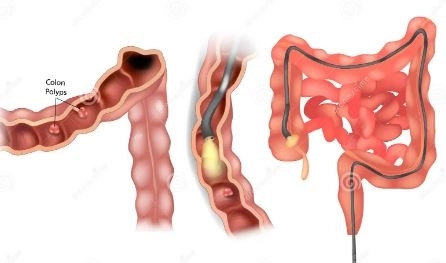
In addition to surgical laparoscopy, diagnostic endoscopy is used to examine parts of the digestive system from inside the body. This includes upper gastrointestinal endoscopy and colonoscopy. These procedures can help identify certain causes of abdominal pain, bleeding, or digestive problems, and tissue samples may be taken for laboratory examination when necessary.
The Importance of Diagnosis Before Gastrointestinal Surgery
Accurate diagnosis is an essential step before deciding to perform gastrointestinal surgery. The physician may request blood tests, imaging studies, diagnostic endoscopy, or other examinations depending on the patient’s condition. These evaluations help determine the cause and extent of the problem and establish the appropriate treatment plan.
Recovery After Gastrointestinal and Laparoscopic Surgery
Recovery time varies from one procedure to another depending on the type of surgery and the patient’s condition. Recovery may be faster after some laparoscopic procedures compared with open surgery. Patients should follow their physician’s instructions regarding medications, diet, physical activity, wound care, and post-operative follow-up.
When Should You Consult a Gastrointestinal Surgeon?
A consultation with a specialized gastrointestinal surgeon may be recommended when persistent or recurrent symptoms occur, such as abdominal pain, difficulty swallowing, recurrent vomiting, gastrointestinal bleeding, persistent changes in bowel habits, unexplained weight loss, or other symptoms that may indicate a digestive system problem. A medical evaluation can help identify the underlying cause and determine the appropriate examinations and treatment.