

Published on: 2026-10-01 | Written by: Professor Dr. Mohamed Mustafa Ajami, Neurosurgery
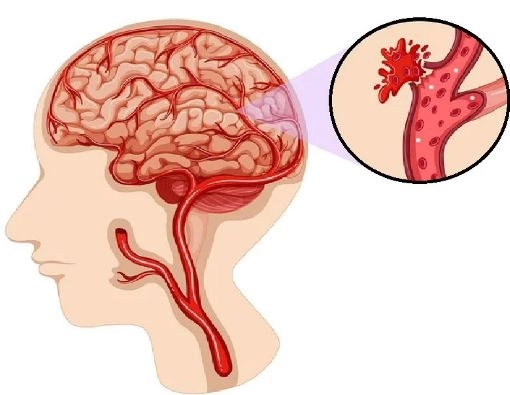
Catheter-Based Treatment of Brain Hemorrhage and Stroke
Brain catheterization is one of the modern techniques used to treat certain cerebrovascular conditions. It allows access to the blood vessels through a thin catheter inserted through an artery and guided toward the blood vessels inside the brain. This technique may be used in certain cases of ischemic stroke, brain hemorrhage, cerebral aneurysms, and arteriovenous malformations, depending on the type and location of the condition and the results of diagnostic examinations.
What Is Brain Catheterization?
Brain catheterization is a medical procedure in which a thin, flexible tube is inserted into one of the blood vessels and guided using imaging techniques toward the blood vessels in the brain. This technique allows the physician to reach the affected area and perform the appropriate intervention without the need for open surgery in some cases.
Catheter-Based Treatment of Ischemic Stroke
In certain cases of ischemic stroke caused by blockage of one of the major brain arteries, a catheter-based procedure can be used to remove the blood clot and restore blood flow to the affected area of the brain. This procedure is known as mechanical thrombectomy. The decision to perform it depends on several factors, including the type and location of the clot, the time since symptoms began, imaging results, and the patient’s condition.
The Importance of Rapid Stroke Treatment
Stroke requires rapid medical attention because continued blockage of a brain artery can reduce the supply of blood and oxygen to brain cells. Therefore, patients should immediately go to the emergency department if symptoms such as sudden weakness or numbness on one side of the body, speech difficulties, difficulty moving, or loss of balance occur, so the condition can be evaluated and the necessary examinations can be performed as quickly as possible.
Catheter-Based Treatment of Brain Hemorrhage
Catheter-based procedures can be used to treat certain causes of brain hemorrhage, particularly bleeding caused by cerebral aneurysms or certain vascular malformations. The physician can reach the affected blood vessel and use appropriate treatment techniques, such as closing the aneurysm or treating the vascular malformation, depending on the nature of the condition.
Catheter Treatment of Cerebral Aneurysms
A cerebral aneurysm is an abnormal enlargement or bulging in part of a blood vessel, and its rupture may cause bleeding inside the brain. In certain cases, it can be treated through catheterization using different techniques, such as placing coils inside the aneurysm or using other methods to close it and isolate the weakened area from blood circulation. The appropriate technique is determined based on the aneurysm’s shape, location, and size.
Treatment of Arteriovenous Malformations
Arteriovenous malformations are abnormal blood vessels that can affect blood flow within the brain and may be associated with a risk of bleeding in certain cases. Catheterization can be used in some patients to perform endovascular embolization, with the goal of reducing blood flow to the malformation or closing the abnormal vessels. Catheter-based treatment may be part of a comprehensive treatment plan depending on the nature of the malformation.
How Is Brain Catheterization Performed?
Brain catheterization is performed in a specialized medical unit under the supervision of a trained medical team. The catheter is inserted through one of the arteries and carefully guided using imaging and X-ray techniques until it reaches the targeted blood vessels. Once the problem is identified, the appropriate therapeutic procedure is performed, followed by medical monitoring according to the patient’s condition and the type of intervention performed.
Tests Required Before Brain Catheterization
The physician evaluates the patient’s condition and performs the necessary examinations before deciding to proceed with catheterization. These examinations may include CT scans, MRI, and cerebral angiography, in addition to blood tests and other investigations depending on the patient’s condition. These results help determine the location of the stroke or hemorrhage, assess the blood vessels, and select the most appropriate treatment approach.
Is Brain Catheterization Suitable for All Cases?
Brain catheterization is not used for every case of stroke or brain hemorrhage. The decision depends on the type and location of the problem, its size, the time since symptoms began, the patient’s overall health, and the results of imaging and other examinations. Therefore, the patient should undergo an urgent and thorough evaluation by a specialized team in neurosurgery and cerebrovascular conditions to determine the most appropriate treatment.
Follow-Up After Brain Catheterization
The follow-up period after brain catheterization varies depending on the procedure performed and the condition being treated. The patient may require medical monitoring and follow-up imaging at specific intervals to confirm the success of treatment and monitor the blood vessels. Medication, activity, and movement instructions also vary from one case to another according to the physician’s assessment.
When Should You Go to the Emergency Department?
If sudden symptoms occur, such as weakness or numbness in the face, arm, or leg, difficulty speaking or understanding speech, loss of balance, vision problems, or a sudden severe headache, the patient should seek emergency medical care immediately. These symptoms may be associated with a stroke or brain hemorrhage, and the patient requires rapid medical and imaging evaluation to determine the cause and begin the appropriate treatment as soon as possible.