
Published on: 2026-09-30 | Written by: Dr. Basem Adel Ramadan Cardiothoracic
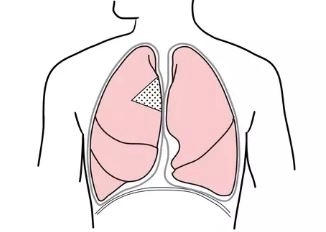
Thoracic surgery is considered one of the most precise and vital surgical specialties in modern medicine. It deals with the diagnosis and treatment of diseases and abnormalities affecting organs inside the thoracic cavity—primarily the lungs, esophagus, pleura (lung lining), and trachea. This field has experienced a major qualitative leap thanks to the advent of advanced minimally invasive surgical techniques.
Thoracic surgeries aim to resect tumors, treat injuries resulting from trauma, or repair tissue damage caused by chronic pulmonary conditions to restore normal respiratory function and prevent respiratory failure.
Dr. Bassem Adel Ramadan clarifies that the decision to proceed with thoracic surgery is made following a rigorous evaluation of overall respiratory functions, lung capacity testing, and high-resolution CT scans. This ensures the identification of the optimal surgical path to achieve the highest cure rates while preserving as much remaining lung capacity as possible.
Lung Tumors (Malignant and Benign): Resection of tumors or affected lung lobes.
Pleural Effusion and Lung Collapse (Pneumothorax): Accumulation of air, fluid, or pus inside the pleural cavity.
Bronchiectasis and Advanced Pulmonary Fibrosis: In cases unresponsive to medical management.
Chest Wall Deformities and Lung Abscesses: In addition to the resection of mediastinal tumors and the thymus gland.
Thoracic surgery has evolved significantly beyond traditional open thoracotomy, relying primarily on video-assisted thoracoscopic and robotic technologies.
Dr. Bassem Adel Ramadan points out that Video-Assisted Thoracoscopic Surgery (VATS) and robotic-assisted surgery have revolutionized this field. They allow surgeons to reach the deepest parts of the chest cavity through small incisions measuring only a few centimeters, significantly reducing the severe pain that typically accompanied traditional open surgeries.
Video-Assisted Thoracoscopic Surgery (VATS): Utilizing a precise camera and advanced instrumentation to perform resections and repairs without spreading or cutting ribs.
Anatomical Segmentectomy: Removing only the diseased segment of the lung while preserving adjacent healthy tissue.
Interventional Bronchoscopy: For taking biopsies, placing airway stents, or clearing obstructions.
Thoracic surgical procedures have become far safer and less risky today compared to previous decades.
Dr. Bassem Adel Ramadan advises patients requiring surgical intervention not to hesitate or fear complications, emphasizing that leveraging modern technology guarantees reduced hospital stays and a return to daily activities in record time.
Reduced Postoperative Pain: Preserving the integrity of muscles and intercostal nerves between the ribs.
Faster Recovery Phase: Shortening duration spent in the ICU and hospital wards.
Minimized Blood Loss and Infection Risk: High precision in handling major pulmonary blood vessels.
Better Cosmetic Results: Minimal scarring compared to traditional open chest surgery.
The postoperative phase serves as an essential pillar for ensuring surgical success and fully restoring respiratory efficiency.
Dr. Bassem Adel Ramadan stresses that chest physical therapy and early initiation of deep breathing exercises immediately after leaving the operating room are the primary keys to preventing lung collapse, mucus buildup, and secondary pulmonary infections.
Incentive Spirometry Exercises: Using breathing exercise devices to expand airways and re-inflate the lung.
Effective Pain Control: Implementing modern analgesic protocols to enable the patient to cough and breathe freely.
Early Walking and Mobility: Stimulating circulation to prevent venous thrombosis.
Complete Abstinence from Smoking and Pollutants: To protect healing lung tissue.
Immediate Smoking Cessation: In all its forms, along with complete avoidance of secondhand smoke.
Early and Regular Screenings: Especially for high-risk individuals exposed to environmental pollutants or with a family history.
Balanced Nutrition and Exercise: To strengthen immunity and respiratory muscles.
Ongoing Follow-up with a Specialist:
Dr. Bassem Adel Ramadan emphasizes in his concluding advice that early diagnosis of chest and lung conditions raises full recovery rates to record levels, and that regular follow-up with a specialized surgeon ensures the protection of respiratory efficiency and overall quality of life.