

Published on: 2026-09-29 | Written by: Dr. Siddiq Salem – Specialist in Vascular Surgery
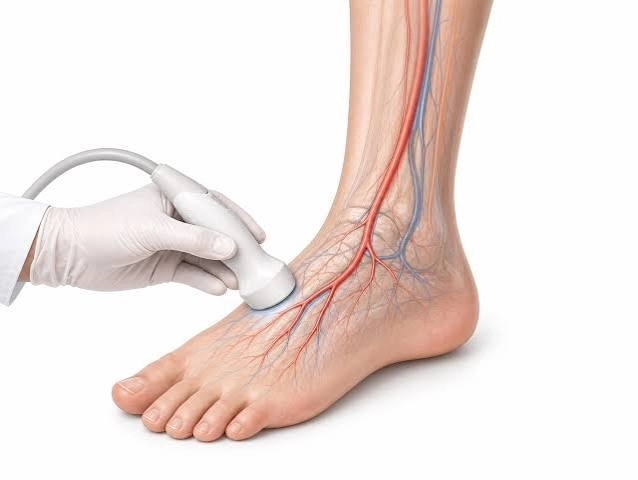
Diabetic foot is among the most common and serious complications resulting from uncontrolled diabetes. This condition arises from the combination of two primary factors: diabetic neuropathy, which causes a loss of protective pain sensation, and peripheral arterial disease (PAD), which reduces the flow of oxygen-rich blood. Together, they make even a minor cut or blister susceptible to rapid deterioration and severe infection.
Diabetic foot ulcers form when prolonged high blood sugar levels cause damage to sensory and peripheral nerves, followed by impaired blood flow through the arteries supplying the legs.
Dr. Seddeek Salem clarifies that the primary danger of diabetic foot lies in the loss of protective sensation. An ulcer can start as a simple scratch or pressure sore from tight footwear; without the patient feeling any pain, bacteria can penetrate deep tissues, leading to complex infections that may eventually reach the bone.
Diabetic Nerve Damage: Loss of the ability to feel heat, cold, pressure, or minor injuries.
Poor Blood Circulation: Narrowing of peripheral arteries, which reduces the tissue's ability to heal and recover.
Foot Deformities & Dryness: Skin cracking or bony prominences that create excessive friction on specific areas.
Bacterial Infection: Weakened local immunity that allows bacteria to multiply rapidly inside open wounds.
Modern medicine has seen remarkable advancements in diabetic foot management, shifting focus away from traditional amputation options toward tissue preservation and revascularization.
Dr. Seddeek Salem points out that modern interventional therapy—combining advanced wound debridement with re-opening blocked peripheral arteries via interventional catheterization—serves as the primary lifeline for saving the foot and healing stubborn ulcers.
Catheter-Based Revascularization (Angioplasty): Dilating peripheral arteries using balloons and stents to restore blood flow to the foot.
Precise Surgical Debridement: Regularly removing dead and infected tissue to stimulate healthy granulation tissue growth.
Negative Pressure Wound Therapy (VAC): Utilizing advanced vacuum devices to drain secretions and stimulate capillary growth.
Advanced Dressings and Off-loading: Applying interactive silver or collagen dressings paired with specialized orthopedic footwear to relieve pressure on the ulcer site.
Infections and ulcers in a diabetic foot can progress rapidly, making early detection a critical factor in successful treatment.
Dr. Seddeek Salem advises seeking immediate evaluation by a vascular surgeon upon noticing any changes in skin color, shape, or temperature of the foot to ensure timely intervention before infection spreads.
Skin Discoloration: The skin turning black, dark blue, or severely red.
Foul Odor or Pus Discharge: Leaking from existing cracks, blisters, or ulcers on the foot.
Extreme Temperature Changes: The foot feeling unusually hot or cold compared to the other foot, accompanied by sudden swelling.
Water Blisters or Open Sores: Any break in the skin that fails to heal after several days.
Prevention remains the first and most crucial defense for diabetic patients to avoid entering a cycle of severe complications.
Dr. Seddeek Salem stresses that adhering to a strict daily foot care routine and wearing appropriate medical socks and shoes reduces the incidence of diabetic foot ulcers by more than 80%.
Comprehensive Daily Inspection: Checking the soles and between the toes daily for scratches, redness, or blisters.
Washing with Warm Water and Mild Soap: Thoroughly drying the feet, especially between the toes, to prevent fungal infections.
Daily Skin Moisturizing: Applying moisturizing creams to prevent dryness and cracking (avoiding placement between the toes).
Careful Nail Trimming: Trimming nails straight across without cutting too close to the edges to avoid ingrown toenails.
Never Walking Barefoot: Indoors or outdoors, to shield feet from unperceived sharp objects.
Strict Blood Sugar Control: Keeping HbA1c levels within target safe ranges.
Complete Smoking Cessation: Preventing arterial constriction and worsening peripheral circulation.
Choosing Specialized Orthopedic Footwear: Wearing properly fitted, cushioned shoes without rough inner seams.
Routine Follow-up with a Specialist:
Dr. Seddeek Salem emphasizes in his concluding advice that diabetic foot care is a proactive and ongoing process, and that regular screenings combined with skilled early intervention are the true guarantees for maintaining foot health and leading an active, independent life.