
Published on: 2026-09-29 | Written by: Dr. Siddiq Salem – Specialist in Vascular Surgery
Varicose and spider veins are among the most common medical and cosmetic issues affecting a large percentage of both men and women. They are not merely limited to altering the external appearance of the legs; rather, they can extend to cause chronic pain, heaviness, and swelling that impacts mobility and daily activities.
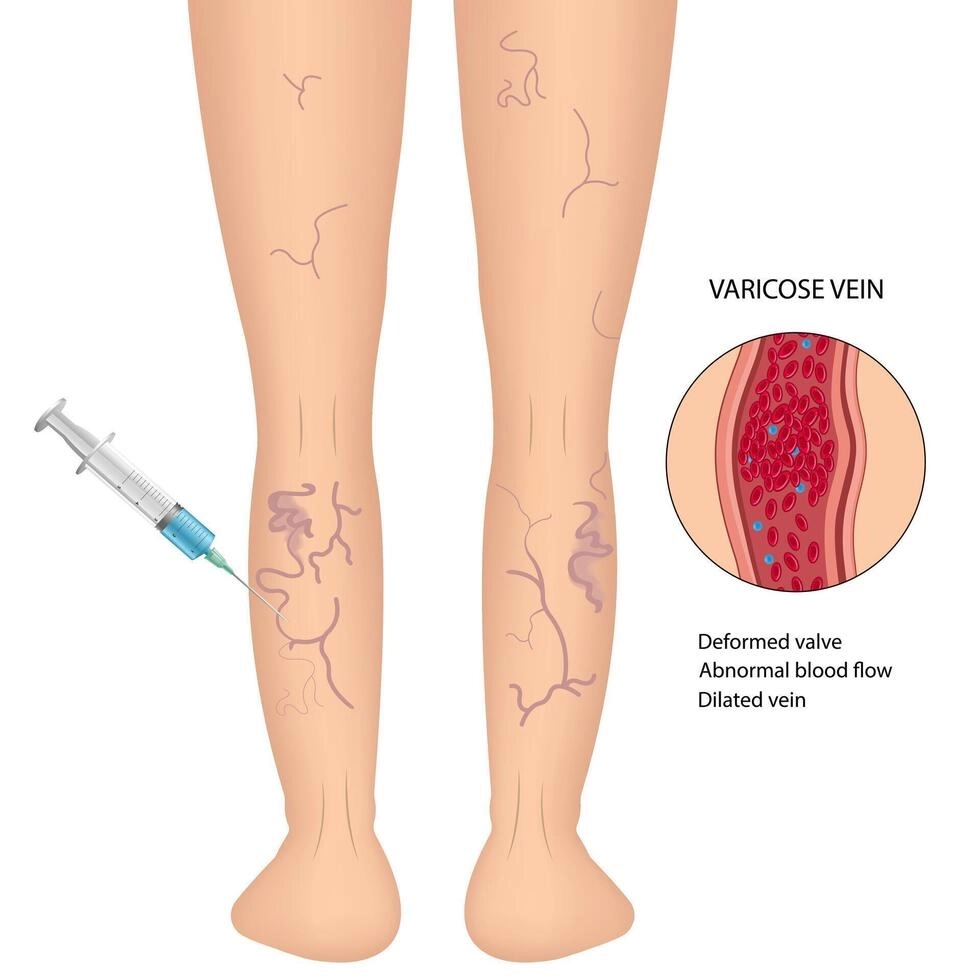
Varicose veins occur when the tiny one-way valves inside the veins become weak or damaged. This causes blood to flow backward and pool within the vein instead of circulating toward the heart, leading the vein to swell, dilate, and appear as bulging cords or fine branching spider veins.
Dr. Seddeek Salem clarifies that varicose veins are not just a cosmetic or visual issue; rather, they represent a functional impairment in venous circulation that deteriorates over time if not evaluated and treated early using modern interventional techniques.
Genetic Factors: A family history of weak vein walls and valves.
Prolonged Standing or Sitting: Related to work nature, which increases hydrostatic pressure inside leg veins.
Hormonal Changes: Such as pregnancy, or the use of oral contraceptives and hormone therapy in women.
Weight Gain and Aging: Placing additional pressure on blood vessels and reducing their elasticity.
The field of vascular surgery has witnessed a major revolution, replacing traditional open surgeries and vein stripping with non-surgical, catheter-based techniques performed under local anesthesia.
Dr. Seddeek Salem points out that modern therapies such as endovenous laser and foam sclerotherapy offer the highest success rates without requiring surgical incisions or hospital stays, allowing patients to return to their normal lives on the very same day.
Endovenous Laser Therapy (EVLT): Inserting a precise laser fiber inside the affected vein to thermally seal it and reroute blood flow to healthy veins.
Radiofrequency Ablation (RFA): Utilizing thermal energy generated by radiofrequency waves to close the dilated vein.
Foam Sclerotherapy: Injecting a chemical foam agent into spider veins and medium-sized varicose veins to break down their lining and fade them gradually.
Medical Adhesive Technique (VenaSeal): Sealing the diseased vein using a specialized medical glue without the need for heat energy.
Underestimating varicose vein symptoms can lead to severe complications affecting tissue integrity and skin health.
Dr. Seddeek Salem advises undergoing a comprehensive evaluation using duplex ultrasound immediately upon noticing signs of venous insufficiency to halt condition progression.
Severe Pain and Heaviness: Intensifying toward the end of the day or after standing for long periods.
Swelling in Feet and Ankles: Caused by venous fluid retention.
Skin Discoloration Around Ankles: Appearance of brownish or dark pigmentation.
Venous Ulcers or Dermatitis: Difficulty in wound healing on the lower leg.
A conscious recovery phase relies on strictly following physician instructions to guarantee successful sessions or catheter interventions while clearing any swelling.
Dr. Seddeek Salem stresses that wearing medical compression stockings and engaging in regular walking after the procedure are fundamental pillars for preventing clot formation and stimulating blood flow through alternative venous pathways.
Wearing Compression Stockings: According to the class and duration specified by the physician to support vein walls.
Daily Light Walking: For 20 to 30 minutes to activate the calf muscle pump.
Avoiding High Heat Exposure: Such as hot baths and saunas during the initial weeks following treatment.
Elevating Legs During Rest: Above heart level to facilitate venous blood return.
Avoid Remaining in One Position: Regularly move and elevate your legs during desk work or prolonged standing.
Maintain a Healthy Weight: To reduce continuous pressure on lower body veins.
Exercise Regularly: Engage in activities like swimming and walking to strengthen calf muscles.
Routine Follow-up with a Specialist:
Dr. Seddeek Salem emphasizes in his concluding advice that varicose veins are fully manageable and treatable thanks to modern technologies, and that early consultation protects patients from complications while restoring leg health and appearance efficiently and safely.