

Published on: 2026-09-26 | Written by: Dr. Ahmed Mahmoud, Consultant in Obstetrics and Gynecology
What Are Ovulation Problems?
Dr. Ahmed Mahmoud explains that ovulation problems are among the factors that may affect menstrual cycle regularity and the chances of pregnancy. They occur when ovulation does not happen regularly or does not occur as expected. Therefore, diagnosing ovulation disorders requires evaluating the woman’s health condition and medical history and performing the appropriate tests to identify the cause and develop a treatment plan suitable for each case.
Main Causes of Ovulation Disorders
Ovulation problems can be associated with several different factors, including hormonal disorders, polycystic ovary syndrome (PCOS), significant changes in weight, certain health conditions, or thyroid disorders. Stress and some lifestyle factors may also affect menstrual cycle and ovulation regularity. Therefore, the cause varies from one woman to another and requires careful medical evaluation.
Polycystic Ovary Syndrome and Ovulation Problems
Dr. Ahmed Mahmoud confirms that polycystic ovary syndrome may be associated with ovulation disorders in some women. It may cause irregular or widely spaced menstrual periods and can affect the regular release of eggs. Therefore, managing the condition depends on evaluating symptoms and conducting the necessary tests to determine the appropriate approach to follow-up and treatment.
Symptoms of Ovulation Problems
Ovulation disorders may appear as irregular, delayed, or absent menstrual periods for certain periods of time, and they may sometimes be accompanied by difficulty becoming pregnant. Other symptoms may also occur depending on the underlying cause. Therefore, symptoms alone are not sufficient to diagnose an ovulation disorder, and appropriate medical evaluation and tests are necessary.
Ovulation Problems and Delayed Conception
Dr. Ahmed Mahmoud explains that irregular ovulation may affect the chances of pregnancy because regular ovulation helps identify the period when the chances of conception are higher. When an ovulation disorder is present, the woman may need ovulation monitoring and hormonal evaluation to determine the cause and establish an appropriate treatment plan.
How Are Ovulation Problems Diagnosed?
Diagnosing ovulation disorders depends on a comprehensive evaluation of the condition. This may include reviewing the regularity of the menstrual cycle and medical history, as well as hormonal tests and examinations that help evaluate the ovaries and monitor egg development. The required tests are determined according to the woman’s age, symptoms, and medical evaluation.
Ovulation Monitoring
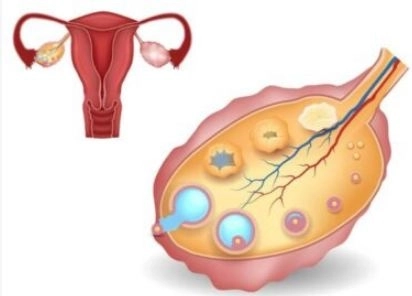
Ovulation monitoring helps determine follicle development, egg growth, and the timing of ovulation. Monitoring may be performed through appropriate examinations determined by the doctor. It can be particularly important in some cases of delayed conception and when ovulation-stimulating treatments are used, as the response to treatment is evaluated according to each case.
Treatment of Ovulation Problems
Dr. Ahmed Mahmoud confirms that treatment for ovulation problems varies according to the underlying cause. Some women may need treatment for a hormonal disorder or another health condition affecting ovulation, while other cases may require medications that help regulate or stimulate ovulation. The doctor determines the type and duration of treatment according to the test results and the needs of each case.
Ovulation Induction and Fertility Treatments
In some cases of delayed conception caused by ovulation disorders, ovulation-inducing medications may be part of the treatment plan. They are used under medical supervision with monitoring of the response to treatment. They may also be combined with ovulation monitoring or other fertility treatments according to the cause and medical condition.
Ovulation Problems and IVF with ICSI
In some cases of delayed conception and ovulation problems, assisted reproductive technologies such as IVF with ICSI may be considered after evaluating both partners and identifying the causes of delayed pregnancy. This option is determined after reviewing the test results, evaluating the condition, and developing an appropriate treatment plan.
The Importance of Medical Follow-Up for Ovulation Problems
Dr. Ahmed Mahmoud provides evaluation and follow-up services for ovulation problems and delayed conception, in addition to ovulation monitoring, fertility treatments, IVF with ICSI, and obstetrics and gynecology services. The treatment plan is determined according to the medical condition and the results of examinations and tests, with follow-up throughout the treatment stages and monitoring of the response according to each patient’s medical needs.