
Published on: 2026-09-24 | Written by: Professor Mohamed El Mahdy, Professor of Obstetrics
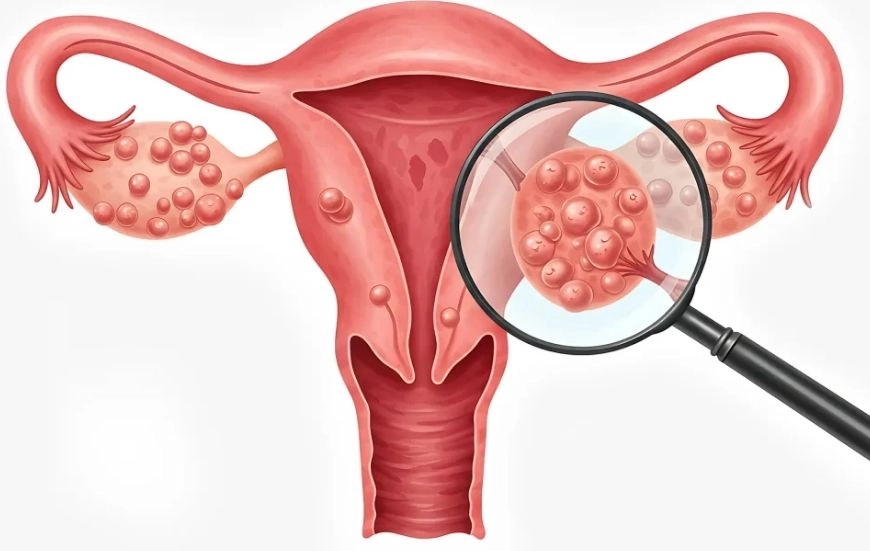
Uterine fibroids and Polycystic Ovary Syndrome (PCOS) are among the most common gynaecological health conditions affecting women across different age groups. Both conditions directly impact reproductive health, hormonal balance, and overall quality of life. Although they differ significantly in their underlying causes and affected tissues, they share the need for accurate clinical evaluation and early diagnosis. In this context, Dr. Mohamed El-Mahdy strives to provide integrated medical care and adopt modern, evidence-based treatment modalities to prevent complications and tailor therapeutic options to each patient's needs.
First: Uterine Fibroids
Uterine fibroids (leiomyomas) are non-cancerous (benign) growths that develop within or on the outer wall of the uterus. They vary in size, number, and location from one woman to another.
1. Common Symptoms of Uterine Fibroids
Heavy or Prolonged Menstrual Bleeding: Excessive blood loss or periods lasting longer than usual, which can lead to iron-deficiency anemia.
Pelvic Pain and Pressure: Continuous discomfort or heaviness caused by the enlarging fibroid pressing against adjacent pelvic organs.
Urinary Frequency and Incontinence: Frequent urge to urinate or difficulty emptying the bladder due to pressure on the urinary tract.
Delayed Conception or Recurrent Miscarriages: Occurs when the fibroid distorts the uterine cavity, interfering with embryo implantation.
2. Modern Treatment Options for Fibroids
Pharmacotherapy: Utilizing hormonal medications to manage heavy bleeding or temporarily shrink fibroids prior to intervention.
Laparoscopic Myomectomy: A minimally invasive procedure designed to remove fibroids while preserving the uterus and fertility.
Conventional Open Surgery: Reserved for cases with large or multiple complex fibroids.
Dr. Mohamed El-Mahdy explains that selecting the appropriate therapeutic approach for uterine fibroids depends primarily on the patient's age, the size and location of the fibroids, and future pregnancy plans.
Second: Polycystic Ovary Syndrome (PCOS)
PCOS is a complex endocrine disorder characterized by enlarged ovaries containing multiple small, immature follicles, which impairs regular ovulation.
1. Key Symptoms of PCOS
Irregular Menstrual Cycles: Infrequent, delayed, or absent periods due to the lack of consistent ovulation.
Hyperandrogenism Signs: Excess facial and body hair (hirsutism), male-pattern hair thinning, and persistent acne.
Insulin Resistance and Weight Gain: Metabolic dysfunction associated with increased abdominal fat deposition and difficulty losing weight.
Infertility or Delayed Conception: Stemming from chronic anovulation.
2. Treatment and Management Protocols for PCOS
Lifestyle Modification: Adopting an insulin-sensitizing diet and regular physical activity to normalize metabolic function and restore hormonal balance.
Medical Management: Utilizing insulin-sensitizing agents (such as Metformin) to improve cellular response, along with cycle-regulating medications.
Ovulation Induction: Administering fertility medications under strict medical supervision to stimulate follicle maturation and achieve pregnancy.
Laparoscopic Ovarian Drilling: A minor surgical technique used in resistant cases to lower androgen production and trigger spontaneous ovulation.
Dr. Mohamed El-Mahdy stresses that managing PCOS is an ongoing process requiring regular follow-up to mitigate its metabolic and reproductive risks over time.
Third: Comparing Uterine Fibroids and PCOS
Distinguishing between these two conditions is essential to avoid misdiagnosis and ensure proper management: ensure the preservation of women's reproductive health and overall well-being.