
Published on: 2026-09-24 | Written by: Dr. George Ibrahim Georgey, Consultant Vascular Surgeon
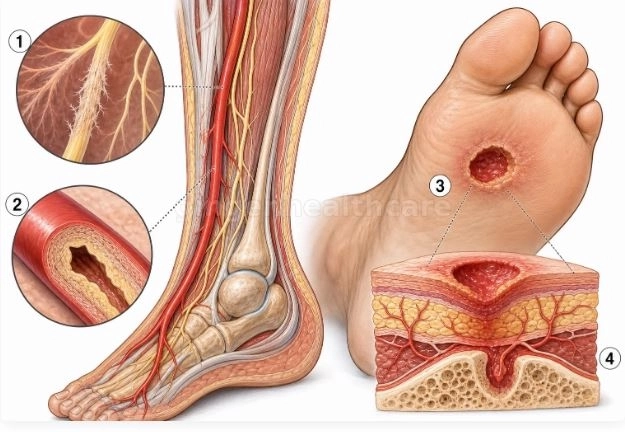
Diabetic foot problems are among the most serious complications that can affect diabetic patients due to neuropathy and arterial narrowing. Diabetic foot surgery serves as a decisive medical option aimed at cleaning infected tissues, restoring blood perfusion, and protecting the foot from deterioration and reaching critical stages that might require amputation.
1. What is Diabetic Foot Surgery and When is it Needed?
Surgical interventions for diabetic foot range from cleaning ulcers and draining abscesses to delicate vascular surgeries for restoring blood perfusion.
Dr. George Ibrahim Georgy clarifies that diabetic foot surgery is not necessarily a last resort; rather, it can be an early and essential intervention to remove dead tissue and limit the spread of bacterial infection into deep tissues and bones.
Conditions Requiring Surgical Intervention:
Formation of Abscesses and Pus Pockets: Which require immediate opening and drainage to prevent pus entrapment.
Localized Gangrene: Removing damaged, non-healable tissues to protect the remainder of the foot.
Diabetic Osteomyelitis: Resecting the infected portion of the bone to ensure the elimination of bacteria.
Peripheral Artery Occlusion: Revascularization surgeries and arterial bypasses to ensure blood flow to the tissues.
2. Modern Techniques and Approaches in Diabetic Foot Surgery
Modern surgeries rely on preserving as much healthy foot tissue as possible and utilizing the latest technological means.
Dr. George Ibrahim Georgy points out that using precise surgical debridement techniques in conjunction with Vacuum-Assisted Closure (VAC Therapy) significantly helps accelerate the healing of stubborn ulcers and reduces the need for major interventions.
Prominent Surgical Techniques and Methods:
Surgical Debridement: Excising all dead and damaged tissue until reaching viable tissue with good blood perfusion.
Vascular Grafting Surgeries: Reopening or bypassing peripheral arteries to ensure oxygen reaches growing tissues.
Negative Pressure Wound Therapy (VAC): Utilizing advanced dressing devices that pull secretions and stimulate capillary growth.
Surgical Coverage with Skin Grafts: Using skin grafts or tissue flaps to close large gaps after sterilizing the wound.
3. Warning Symptoms Requiring Immediate Surgical Evaluation
Delaying consultation with a specialist surgeon can lead to condition worsening and rapid spread of infection.
Dr. George Ibrahim Georgy advises seeking an urgent surgical evaluation immediately upon noticing any of the following signs:
Discoloration of the foot skin turning black or dark blue.
Discharge of foul-smelling fluids or pus from ulcers.
Sudden swelling and elevated temperature in the foot or body.
Complete numbness or severe pain that does not respond to painkillers.
4. Post-Operative Care and Recovery Protocols
The post-operative recovery phase constitutes the other half of a successful treatment plan.
Dr. George Ibrahim Georgy stresses that strict adherence to sterile dressing change protocols and offloading pressure from the foot using specialized shoes and casts are the two main factors in preventing wound reopening and accelerating tissue healing.
Recovery Plan and Wound Care:
Regular Sterile Dressing Changes: Using modern dressings containing silver or healing-stimulating substances.
Off-loading Pressure from the Foot: Utilizing wheelchairs or pressure-relieving footwear to protect the surgical site.
Targeted Antibiotics: Completing antibiotic courses based on culture and microbial sensitivity results.
5. Golden Rules for Maintaining Foot Health After Healing
Strict Blood Sugar Control: Maintaining regular readings and HbA1c levels within target ranges.
Daily Self-Examination: Checking for any new cracks or cuts between the toes.
Wearing Specialized Medical Footwear: Strictly avoiding walking barefoot to protect the foot from unfelt injuries.
Routine Surgical Follow-up:
Dr. George Ibrahim Georgy emphasizes in his concluding advice that ongoing routine checkups with the specialist surgeon reduce the chances of recurrence and preserve mobility and the patient's ability to lead a normal life.