

Published on: 2026-09-20 | Written by: Dr. Ahmed Othman Professor of Vascular Surgery
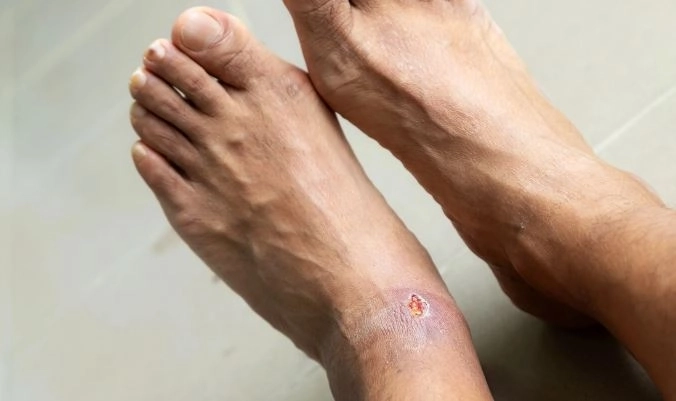
Diabetic foot is among the most critical chronic complications of diabetes that require specialized medical and surgical care. This advanced disorder results from peripheral nerve damage and the narrowing of blood vessels supplying the extremities, making the foot vulnerable to complex ulcers and infections that can progress rapidly if not managed with a well-considered medical approach.
Dr. Ahmed Othman emphasizes that early detection of diabetic foot ulcers and following a sterile cleaning and dressing protocol represent the cornerstone for avoiding gangrene complications and completely preventing the risk of amputation.
Causes and Progression of Diabetic Foot Complications Diabetic foot complications arise from a combination of several pathological factors that worsen with long-term neglect of blood sugar regulation:
Dr. Ahmed Othman clarifies that peripheral neuropathy causes a loss of sensation to pain or temperature, leaving the patient unaware of small cuts or wounds on the foot until they turn into deep ulcers. Reduced Blood Supply (Ischemia): Blockage of peripheral arterial vessels reduces the flow of oxygen and nutrients necessary for tissue healing. Structural Foot Deformities: Changes in pressure distribution on the foot lead to excessive pressure points and callus formation. Weakened Local Immunity: Elevated sugar levels turn tissues into a fertile environment for harmful bacteria and cause delays in wound healing.
Medical Approaches and Preparation for Treating Diabetic Foot Ulcers Successful treatment of diabetic foot requires integrated intervention from a specialized medical and surgical team to restore perfusion and control bacterial infection.
Dr. Ahmed Othman points out that precise surgical debridement to remove dead tissue, along with the use of modern interactive dressings, promotes the growth of living tissue and significantly reduces healing time. Modern and Interactive Dressings: Such as silver dressings and absorbent wicks to ensure a moist and sterile environment. Targeted Antibiotics: Using antibiotics based on culture and microbial sensitivity testing to control bone and deep tissue infections. Arterial Revascularization: Intervention via interventional catheterization or vascular surgery to open blocked arteries.
Prevention Methods and Daily Foot Care for Diabetic Patients Daily foot care is considered the first line of defense to prevent new ulcers and protect the skin from cracking.
Dr. Ahmed Othman advises the necessity of daily self-examination of the feet using a mirror to check for any redness, blisters, or small cuts between the toes. Washing Feet with Lukewarm Water: Drying the feet thoroughly, especially between the toes, while using skin moisturizers and preventing cracks. Choosing Appropriate Medical Footwear: Wearing comfortable, spacious shoes and strictly avoiding walking barefoot inside or outside the home. Trimming Nails Carefully: Cutting nails straight across without trimming the edges severely to avoid ingrown toenails.
Continuous Follow-up and Blood Sugar Control Precise control of glycated hemoglobin (HbA1c) is the primary pillar to prevent the ongoing deterioration of nerves and blood vessels.
Dr. Ahmed Othman stresses that complete discipline in controlling HbA1c levels and regular follow-ups with the treating physician contribute to increasing ulcer healing rates and avoiding future complications.
Golden Rules for Prevention and Diabetic Foot Protection Strict Sugar Control: Maintaining HbA1c levels below 7% or as directed by the treating physician. Routine Medical Examination: Annual evaluation of sensation and arterial perfusion, or immediately upon noticing any change in the foot. Quitting Smoking: To prevent the worsening of peripheral arterial blockages. Immediate Request for Consultation: Refraining from using folk remedies or ointments without specialized surgical consultation.