

Published on: 2026-09-17 | Written by: Prof . Ahmed Fahmy ELwatidy MBCh, M.S, M.D, FRCS
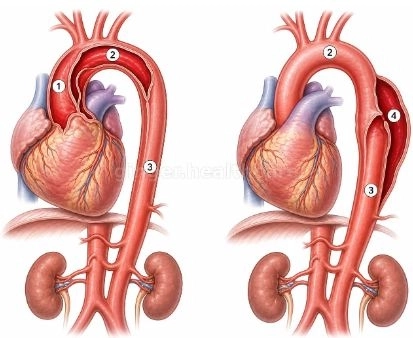
What Is the Aorta and Why Is It Important?
Professor Dr. Ahmed Fahmy El-Watidy explains that the aorta is the largest artery in the body, beginning at the heart and carrying oxygen-rich blood to different parts of the body through its main branches; therefore, any problem affecting the aorta requires careful medical evaluation to determine the nature of the condition and its impact on blood flow.
What Conditions May Require Aortic Surgery?
Professor Dr. Ahmed Fahmy El-Watidy confirms that aortic surgery may be necessary in certain cases involving enlargement or weakening of the arterial wall, or when there are problems affecting the safety and integrity of the aorta that require surgical intervention, with the decision depending on the nature and location of the problem, its size, its progression, and the patient's overall health.
Aortic Aneurysm and the Role of Surgery in Treatment
Professor Dr. Ahmed Fahmy El-Watidy explains that an aortic aneurysm occurs when part of the artery becomes enlarged due to weakness in its wall, and it may require regular monitoring or surgical intervention depending on its size, location, growth rate, and other medical factors, with the aim of managing the condition and reducing the risk of serious complications.
Thoracic Aortic Surgery
Professor Dr. Ahmed Fahmy El-Watidy points out that thoracic aortic surgery involves treating problems affecting the portion of the aorta located inside the chest, and these procedures require careful preoperative planning and comprehensive evaluation, particularly because the aorta is directly connected to the heart and the major blood vessels.
Abdominal Aortic Surgery
Professor Dr. Ahmed Fahmy El-Watidy confirms that abdominal aortic surgery aims to treat problems affecting the abdominal portion of the aorta, and the surgical approach varies according to the nature and location of the condition and its size, with the necessary medical examinations and imaging studies helping to determine the details of the problem and establish an appropriate treatment plan.
When Is Aortic Surgery Necessary?
Professor Dr. Ahmed Fahmy El-Watidy explains that the decision to perform aortic surgery does not depend on a single factor, but rather on a comprehensive assessment of the patient's condition, including the size, location, and progression of the problem and any associated symptoms, making early diagnosis and follow-up with a cardiac surgery consultant important for determining the appropriate timing of intervention.
Importance of Preoperative Examinations Before Aortic Surgery
Professor Dr. Ahmed Fahmy El-Watidy points out that the necessary examinations and medical imaging before aortic surgery are important because they help determine the location and extent of the problem and evaluate the condition of the blood vessels, while also assisting in surgical planning and selecting the appropriate approach for managing the condition.
Follow-Up After Aortic Surgery
Professor Dr. Ahmed Fahmy El-Watidy confirms that medical follow-up after aortic surgery is an important part of the treatment journey, as regular examinations help assess the condition of the aorta, monitor the results of the surgical intervention, and detect any changes at an early stage that may require further follow-up or treatment.
Aortic Surgery for Complex Cases
Professor Dr. Ahmed Fahmy El-Watidy explains that some aortic conditions can be complex and may require specialized expertise in cardiac and vascular surgery, so each case is evaluated individually to determine the required intervention and the appropriate surgical approach according to the location of the problem and the patient's condition.
The Importance of Experience in Aortic Surgery
Professor Dr. Ahmed Fahmy El-Watidy confirms that aortic surgery is one of the advanced cardiac surgical procedures that requires careful evaluation, thorough planning, and specialized experience, particularly when dealing with cases involving different parts of the aorta or associated with other heart and blood vessel conditions.