

Published on: 2026-09-15 | Written by: Dr. Rami Youssef Kamel, Orthopedic and Spine
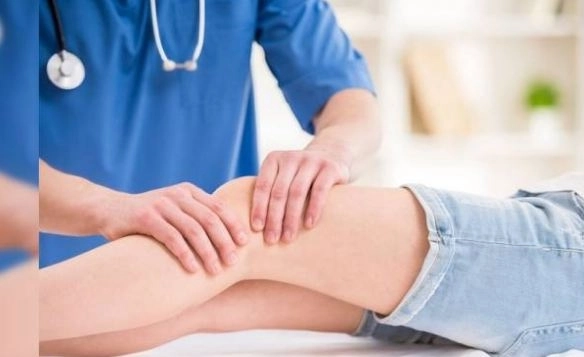
Knee and joint osteoarthritis is one of the common conditions that may affect movement and the ability to perform daily activities, and it occurs as a result of the gradual wear and tear of the cartilage covering the joint surfaces, leading to friction between the bones and causing pain, stiffness, and difficulty moving, and Dr. Ramy Youssef Kamel explains that managing joint osteoarthritis requires an accurate assessment of the condition and determining the severity of osteoarthritis and its associated symptoms in order to choose the appropriate treatment method.
What Is Knee and Joint Osteoarthritis?
Dr. Ramy Youssef Kamel confirms that knee and joint osteoarthritis is a condition resulting from the gradual deterioration of the cartilage inside the joint, which reduces its ability to protect the bones and facilitate movement, and as cartilage continues to wear down, friction within the joint may increase, leading to various symptoms such as pain, stiffness, swelling, and difficulty walking or climbing stairs.
Causes of Knee and Joint Osteoarthritis
Dr. Ramy Youssef Kamel explains that knee and joint osteoarthritis may be associated with several factors, including aging, excess weight, continuous stress on the joint, and previous injuries such as fractures, sports injuries, and ligament tears, while certain genetic factors, occupational activities, and repetitive movements may also affect the joints over time.
Symptoms of Knee and Joint Osteoarthritis
Dr. Ramy Youssef Kamel warns that the symptoms of knee and joint osteoarthritis vary from one case to another, but the most common symptoms include knee or joint pain, especially during movement, stiffness after periods of rest, difficulty performing certain daily activities, and sometimes swelling, joint sounds, or reduced range of motion as the condition becomes more severe.
Diagnosis of Knee and Joint Osteoarthritis
Dr. Ramy Youssef Kamel emphasizes the importance of accurate diagnosis before determining the treatment plan, as evaluating joint osteoarthritis involves understanding the symptoms and medical history, examining the joint and its movement, and performing appropriate tests and imaging when necessary to determine the degree of cartilage damage and assess its effect on the joint.
Treatment of Knee and Joint Osteoarthritis
Dr. Ramy Youssef Kamel confirms that treatment for knee and joint osteoarthritis varies depending on the severity of the condition, the patient's age and general health, and the extent to which pain affects movement and daily activities, and treatment may include non-surgical methods to relieve pain and improve movement, while some advanced cases may require more specialized interventions according to the doctor's assessment.
Non-Surgical Treatment for Knee Osteoarthritis
Dr. Ramy Youssef Kamel explains that non-surgical treatment may be suitable for many cases of knee and joint osteoarthritis and may include reducing excessive stress on the joint, regulating physical activity, losing weight when necessary, as well as physical therapy and appropriate exercises that help strengthen the muscles surrounding the joint, improve movement, and reduce pressure on the knee.
The Role of Physical Therapy in Joint Osteoarthritis
Dr. Ramy Youssef Kamel points out that physical therapy and therapeutic exercises may play an important role in improving joint function in some patients, as appropriate exercises can help strengthen muscles, improve flexibility and movement, and support the joint, while exercises should be selected according to the patient's condition and the severity of osteoarthritis, avoiding activities that increase pain or place excessive stress on the joint.
When Does Knee Osteoarthritis Require Surgery?
Dr. Ramy Youssef Kamel emphasizes that surgery is not necessary for all cases of knee osteoarthritis, but surgical intervention may be considered when osteoarthritis is advanced, persistent pain significantly affects movement and daily life, and appropriate treatment methods have not provided sufficient improvement, with the doctor determining the type of intervention based on the condition of the joint, the degree of damage, and various health factors.
Joint Replacement Surgeries
Dr. Ramy Youssef Kamel explains that joint replacement surgery may be one of the treatment options used in some advanced cases of joint osteoarthritis when the damage is severe and significantly affects the patient's ability to move, and determining whether this surgery is appropriate depends on evaluating the condition of the joint, symptoms, and their impact on the patient, while developing a treatment plan suitable for each individual case.
Tips for Maintaining Healthy Knees and Joints
Dr. Ramy Youssef Kamel points out the importance of maintaining a healthy body weight, avoiding excessive stress on the knees, engaging in appropriate physical activity, strengthening the muscles, and maintaining regular movement, while knee and joint injuries should be managed properly and persistent pain should not be ignored, as early evaluation helps identify the cause and establish an appropriate treatment plan.
The Importance of Choosing a Specialized Doctor
Dr. Ramy Youssef Kamel confirms that having knee and joint osteoarthritis evaluated by a specialist in orthopedic and spine surgery helps determine the cause of pain, assess the degree of joint involvement, and choose the appropriate treatment approach for each case, whether conservative treatment is sufficient or surgical intervention is required, while taking into consideration the patient's health condition, age, symptoms, and their impact on movement.