
Published on: 2026-09-14 | Written by: Dr. Amr Attia Howeity, Consultant Radiation Oncologist
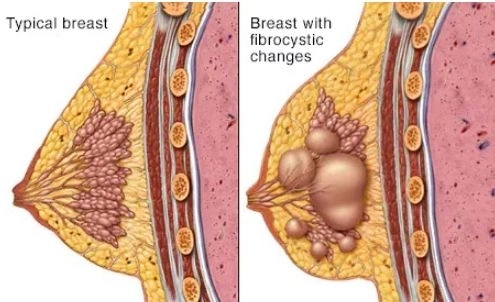
What Are Breast Tumors?
Dr. Amr Attia Howaity explains that breast tumors are conditions resulting from abnormal growth of cells within the breast tissues, and these tumors may be benign or malignant, so management depends on the nature of the tumor, the results of medical examinations and reports, and the extent of the condition.
Symptoms of Breast Tumors
The symptoms of breast tumors vary depending on the nature of the condition and may include the appearance of a lump, changes in the shape or size of the breast, changes in the skin or nipple, or unusual discharge, making it important to have any new change medically evaluated and undergo the appropriate examinations.
The Importance of Early Diagnosis of Breast Tumors
Dr. Amr Attia Howaity confirms that early diagnosis of breast tumors helps evaluate the condition in its early stages and determine the nature and stage of the tumor, which contributes to developing an appropriate treatment plan based on the results of imaging, laboratory tests, pathology reports, and biopsies when needed.
Diagnosis of Breast Tumors
Dr. Amr Attia Howaity explains that diagnosing breast tumors depends on evaluating the condition and reviewing medical examinations, imaging, and medical reports, and may require reviewing pathology reports, biopsies, or surgical specimens to reach a more accurate assessment of the nature of the tumor.
Determining the Tumor Stage
Dr. Amr Attia Howaity points out that determining the stage of a breast tumor is an essential step before selecting treatment, as the results of examinations, medical reports, imaging, the nature of the tumor, and its extent of spread are used to determine the most appropriate treatment plan for the condition.
Treatment of Breast Tumors
Dr. Amr Attia Howaity confirms that the treatment of breast tumors varies from one case to another according to the type and stage of the tumor and the results of medical examinations and reports, and the treatment plan may include surgery, radiation therapy, chemotherapy, immunotherapy, targeted therapy, or hormonal therapy according to the assessment of the condition.
Radiation Therapy for Breast Tumors
Dr. Amr Attia Howaity explains that radiation therapy may be part of the treatment plan for some cases of breast tumors, and its use is determined according to the type, location, and stage of the tumor and the therapeutic interventions required for the condition, with the technique, dose, and number of sessions determined according to the medical treatment plan.
Chemotherapy, Immunotherapy, and Targeted Therapy
Dr. Amr Attia Howaity confirms that chemotherapy, immunotherapy, and targeted therapy may be included in the treatment plans for some cases of breast tumors, and the choice of treatment depends on the nature of the tumor, the results of medical examinations and reports, and the condition’s response to treatment.
Monitoring Response to Treatment
Dr. Amr Attia Howaity emphasizes the importance of medical follow-up during and after breast tumor treatment to evaluate the condition’s response to the treatment plan and review the necessary examinations, reports, and imaging, with continued follow-up according to the nature and stage of the condition.
Reviewing Medical Reports for Breast Tumor Cases
Dr. Amr Attia Howaity points out the importance of reviewing medical reports, imaging, laboratory tests, pathology reports, biopsies, and surgical specimens when evaluating breast tumor cases, as this information helps provide a clear picture of the condition and determine the appropriate medical steps.
Advanced and Metastatic Breast Tumors
Dr. Amr Attia Howaity explains that managing advanced and metastatic breast tumors requires a comprehensive evaluation of the condition and a review of the results of medical examinations, reports, and imaging to determine the nature of the spread and develop a treatment plan appropriate for the patient’s medical condition and needs.
The Importance of Medical Follow-Up
Dr. Amr Attia Howaity confirms that regular follow-up for breast tumor cases helps assess the progression of the condition and the response to treatment and continuously review examination results, whether during or after treatment, according to the medical plan established for each case.